 Football Ground Map
Football Ground Map
Football Ground Map

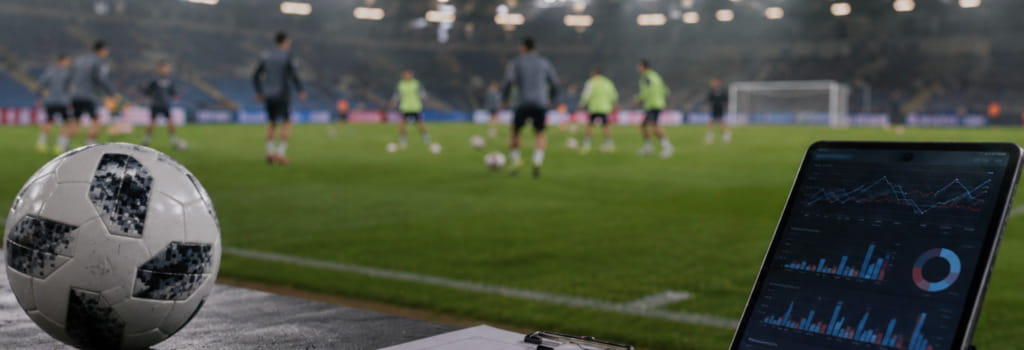
The final days before a World Cup rarely move quietly. One player is passed fit, another is ruled out, a favourite loses at home and a 0-0 draw hides more chances than the score suggests. That is why football betting analysis before the tournament cannot stop at squad lists. For users who already manage access through options like the 1xbet registration during major football weeks, the sharper question is what each new update actually changes.
Warm-ups do not predict the tournament. They do, however, add fresh evidence about fitness, finishing, depth and late-game control.
Austria received two different kinds of news in the same update. David Alaba was passed fit after being substituted at halftime with a muscle issue. Christoph Baumgartner was ruled out of the World Cup after a thigh injury suffered during the pre-match warm-up.
That contrast matters for betting analysis because both names do not carry the same signal. Alaba remains part of the available squad picture. Baumgartner does not. A player passed fit can still affect the starting lineup, leadership structure and defensive organisation. A ruled-out player becomes a question of replacement, role coverage and lost attacking contribution.
Baumgartner's numbers make the absence more concrete. He had 17 goals and 9 assists in club competition during the season. That is not a fringe profile. It is production that touches chance creation, finishing and attacking balance.
The follow-up decision also matters. Austria chose not to replace Baumgartner and will continue with the existing squad. That means the betting discussion turns inward. Who absorbs his minutes? Does the team adjust the shape? Does one player take the role, or does the burden spread across several positions?
That is the kind of squad news that should not be treated as one line at the bottom of a preview. It changes the available player pool. It also changes how Austria's attacking options are read before the first group match.
The Netherlands' 1-0 home loss to Algeria in Rotterdam was not just a warm-up result. It carried a warning from the way the game developed. The Dutch created early chances, failed to turn that spell into a lead, then conceded four minutes before full time to Anis Hadj Moussa.
That sequence is important. A team can lose a friendly and still show enough to reassure analysts. This defeat was more complicated because the early phase looked like a match the Netherlands should have controlled. The problem was not only the late goal. It was the gap between early chances and final return.
Ronald Koeman called the match a wake-up call and criticised the failure to convert early opportunities. That gives the result a clearer betting angle. The final score says 1-0. The betting reading asks whether the Dutch created enough, whether the chance quality was wasted, and whether late-game concentration held under pressure.
Algeria's side of the result also deserves care. A late away goal against a strong opponent is a useful signal. It shows the team stayed alive in the match long enough to punish the moment. That should enter form discussion, but not become a shortcut.
Warm-up games can mislead when they are used too loudly. The better reading is narrower: the Netherlands showed finishing concerns in a match they expected to manage, while Algeria showed late-game sharpness on the road.
Germany's news is not about shortage. It is about selection pressure. Kai Havertz, Florian Wirtz, Jamal Musiala, Leroy Sané, Nick Woltemade, Lennart Karl and Deniz Undav give the side several attacking routes before the tournament begins.
Havertz described that depth as a strength rather than internal competition. For football betting, that distinction matters. Depth can protect a team from one absence. It can also make the starting lineup harder to read before the team sheet arrives.
A squad with several forward options creates different market questions:
That list shows why attacking depth can be as important as one star name. Betting markets often react to headline players, but tournament football is usually decided by combinations. Germany's issue is not whether there is enough talent. It is how that talent is arranged.
There is also a timing angle. If a coach has several attackers in form, pre-match analysis remains incomplete until the lineup appears. Early squad discussion can outline the options. The confirmed starting team gives the first real answer.
DR Congo's 0-0 draw with Denmark in Belgium looks plain at first glance. No goals. No obvious scoreline drama. But the match still offered useful betting evidence because both teams had moments that could have changed the reading quickly.
Denmark hit the woodwork through Joakim Mæhle and Pierre-Emile Højbjerg. DR Congo had chances through Cédric Bakambu and Joris Kayembe, both saved by Filip Jørgensen. That means the scoreline alone is too thin.
A 0-0 with little penalty-area action is one type of match. A 0-0 with woodwork moments and goalkeeper saves is another. The betting difference is obvious: one suggests limited chance creation, while the other suggests chances existed but the finish never came.
This is where warm-up analysis needs more than the result column. Woodwork chances show proximity. Goalkeeper saves show shot prevention. Missed openings show attacking routes that may still matter in the next match.
For DR Congo, the draw can be read as a competitive warm-up rather than a blank attacking file. For Denmark, hitting the woodwork twice shows that the match had sharper edges than the scoreboard admits.
The newest warm-up and squad updates do not all point in the same direction. Some concern availability. Some concern finishing. Some concern depth. Some concern hidden chance quality behind a low score.
A clean breakdown helps separate them:
| Update | Betting analysis angle |
|---|---|
| Alaba passed fit | Austria keep an important senior option available |
| Baumgartner ruled out | Attacking role coverage becomes a squad question |
| Austria make no replacement | Existing squad depth now carries more weight |
| Netherlands lose 1-0 to Algeria | Early chance waste and late-game control enter discussion |
| Germany show attacking depth | Confirmed lineup becomes more important than name value |
| DR Congo draw 0-0 with Denmark | Scoreline needs checking against chances and saves |
This is the practical value of the final warm-up period. It does not hand bettors an answer. It shows which questions deserve attention before a market is read.
The Baumgartner-Alaba contrast is a reminder that injury news should be sorted by status. "Passed fit" and "ruled out" are not versions of the same thing. One keeps the player in the match picture. The other removes him from it.
Pre-match analysis should separate four levels:
The difference matters because betting discussion can become too broad when every fitness note is treated equally. A precautionary substitution does not carry the same weight as a confirmed tournament absence. A warm-up withdrawal may be more serious than a training note. A player cleared to travel may still require minutes management, but that is not the same as being unavailable.
This kind of sorting is especially important when the tournament is close. The closer kickoff gets, the less time teams have to test a replacement plan.
The strongest betting reading treats warm-ups as fresh evidence with limits. A late Algeria winner matters, but it does not define the Netherlands' full tournament. A Germany attack loaded with options matters, but it does not reveal the starting lineup. A 0-0 draw can hide chances, but it does not guarantee goals next time.
That balance is the whole point. Football news before a major tournament moves quickly. The useful approach is to slow the reading down. What changed? Was it confirmed? Does it affect the starting team? Does the score reflect the match?
A market should not be built from one headline. It should be read through several confirmed signals: player availability, squad depth, recent chance creation, goalkeeper impact and late-game control.
Responsible betting fits naturally into that method. Real-money football markets should remain entertainment, every outcome remains uncertain, and the best pre-match reading is still only a reading. The match itself will decide the rest.
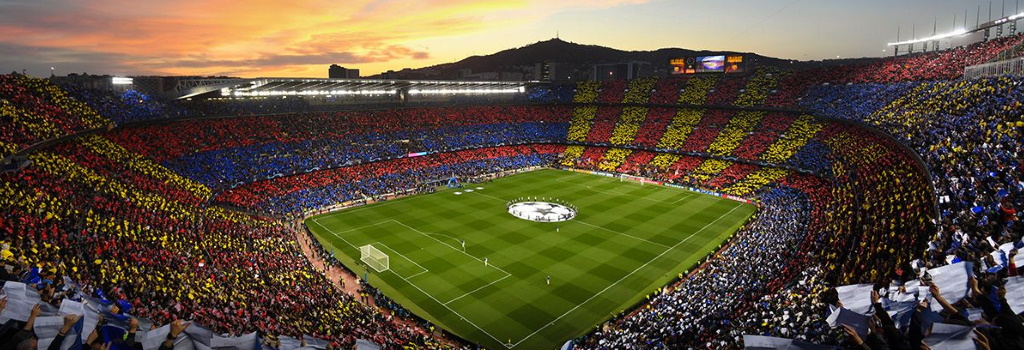
The 91 biggest football stadiums in Europe. From Manchester to Munich, Villa Park to Valencia - each one with a capacity over 40,000

Taking my son to his first football match was one of the best experiences I've had as a father so far. I've written this article for Alex to read when he gets older.
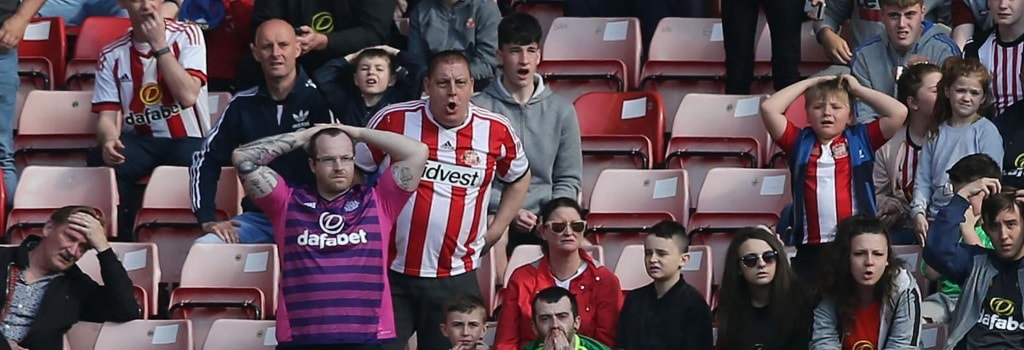
23 interesting things to do to pass the time until the football season restarts
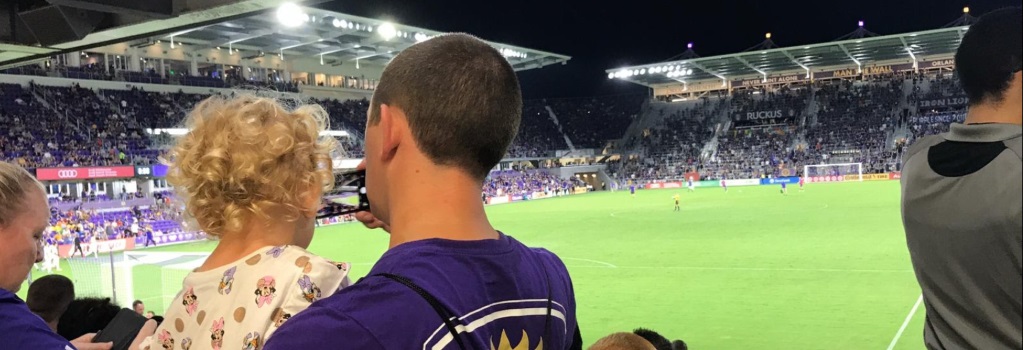
My daughter's first ever football match - Orlando City v Atlanta United, August 2019. Written for Izzy to read when she gets old enough. Vamos Orlando