 Football Ground Map
Football Ground Map
Football Ground Map

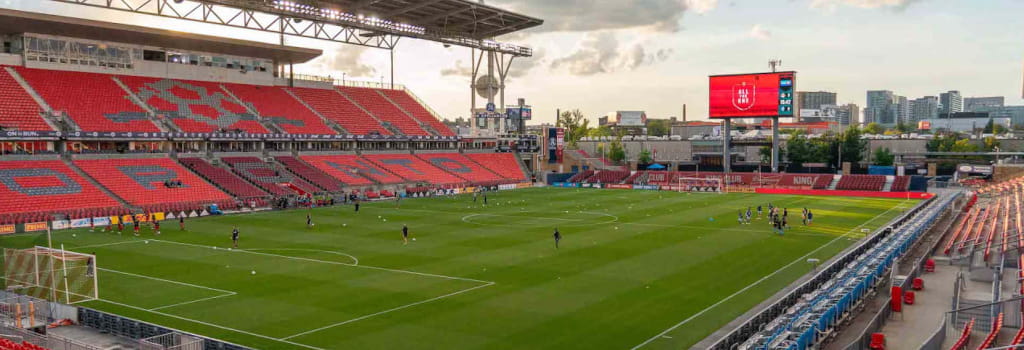
World Cup 2026 does not begin with a neutral backdrop. It starts with old concrete, fresh signage, concourse queues and the anxiety of reaching a ground before kickoff. For a June 5-20 publication window, the story sits before and during opening week, when travelling fans are still learning routes, entrances and stadium rhythms.
Mexico City Stadium hosts Mexico vs South Africa on June 11. Toronto Stadium starts with Canada vs Bosnia and Herzegovina on June 12. Boston Stadium follows with Haiti vs Scotland on June 13, then Scotland vs Morocco on June 19. These fixtures are venue stories with crowd noise, arrival routes and distance baked in.
Mexico City Stadium gives the tournament the right first frame. FIFA lists capacity at 83,000, but numbers only sketch the place. The 2026 opener pits Mexico against South Africa in Match 1, under global attention, and that kind of kickoff makes the ground part of the plot.
For groundhoppers, the appeal is not only the fixture. It is the first sight of the bowl, the crush around the turnstiles and the sound gathering before the players emerge. Opening matches can look ceremonial on television, but inside the ground they feel twitchy, crowded and alive.
Toronto Stadium at Exhibition Place carries a different pressure. Canada vs Bosnia and Herzegovina on June 12 is scheduled as the first men's World Cup match on Canadian soil. Toronto's official tournament site says the stadium will add more than 17,000 seats, bringing capacity to 45,736.
That upgrade matters because Exhibition Place has never felt detached from the city. The lakeside approach, nearby neighbourhoods and compact matchday route should help the tournament feel stitched into Toronto. Groundhoppers will watch the concourse rhythm, sightlines, entry flow and whether the atmosphere builds naturally or gets over-managed.
Boston Stadium, the tournament name for Gillette Stadium in Foxborough, brings one of the stranger World Cup groundhopping problems: the venue is not in central Boston. FIFA lists capacity at 65,000, and the scale fits the tournament. The journey is the complication.
Haiti vs Scotland on June 13 gives the venue an early test. Scotland vs Morocco on June 19 brings another travelling-support angle, especially given Scotland's long absence from the World Cup stage. For fans used to city-centre grounds or rail-connected European stadiums, Foxborough requires more planning.
For travelling supporters, an away end begins before the seat number. It starts at the meeting point, the train platform, the shuttle queue or the first bar where shirts appear in numbers. At Boston Stadium, that journey will matter more than usual.
The strongest matchday routes build momentum. The weakest ones drain it. If fans arrive tired, scattered or late, the ground has to work harder to recover the atmosphere.
A World Cup matchday has its official version, but groundhoppers usually judge the unofficial one. The details decide whether a venue feels alive or merely prepared.
| Venue | Capacity | Fixture angle | Atmosphere factor | Travel/fan note |
|---|---|---|---|---|
| Mexico City Stadium | 83,000 | Mexico vs South Africa opens the tournament | Host-nation pressure | Opening-day crowds shape the route |
| Toronto Stadium at Exhibition Place | 45,736 | Canada vs Bosnia and Herzegovina starts Toronto's run | National first, compact city energy | Exhibition Place gives the match an urban approach |
| Boston Stadium/Gillette Stadium | 65,000 | Haiti vs Scotland and Scotland vs Morocco test the venue | Big bowl, away-end colour | Foxborough makes transport planning part of the day |
The hour before kickoff has become a data ritual as much as a drinking-up ritual. Fans check lineups, injuries, tactical hints and weather before they join the crush outside the turnstiles or settle in front of the broadcast. A supporter checking Melbet Tanzania before kickoff is usually comparing odds with team news rather than drifting away from the matchday itself. That habit becomes sharper when the ground is unfamiliar, because stadium noise does not always tell the tactical story. Matchday betting markets can move when a starter drops out, a formation changes or heavy weather alters how a team wants to play. For many viewers tracking football today, the market board has become part of the same pre-match hum as travel updates and late team sheets.
A modern groundhopper uses the phone as a pocket programme, route planner and scoreboard. On a June matchday, the quick checks start with football on tv today, then football scores today, football games today and football matches today before the fan even reaches the gate. A supporter opening Melbet APK can fold quick app access into the same routine of match tracking, score checks and betting workflows. The best experience is not about staring at the screen for 90 minutes. It is about filling the dead time before entry, at halftime and on the slow route out after full-time. In a tournament spread across three countries and several time zones, mobile habits become part of how fans keep the wider World Cup in view.
Broadcasters can make a venue look grand with drone shots, anthem close-ups and crowd pans. Groundhoppers are harder to impress. They remember the blocked staircase, the away section view, the stewarding tone and the walk back after a late defeat.
They also remember the good things: a concourse that moves, a home end that finds its voice, a route where the city seems to carry everyone toward the same point. That is why Mexico City, Toronto and Boston matter in opening week. They will define how these early matches feel before the first whistle.

23 interesting things to do to pass the time until the football season restarts
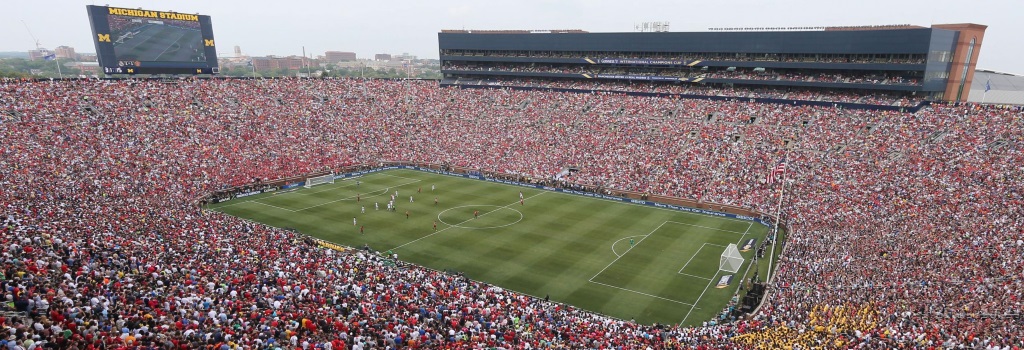
An in-depth look at the biggest football attendances ever recorded, from the 1950 World Cup to pre-season friendlies in the States and the Scottish ground with dozens of 100,000+ attendances
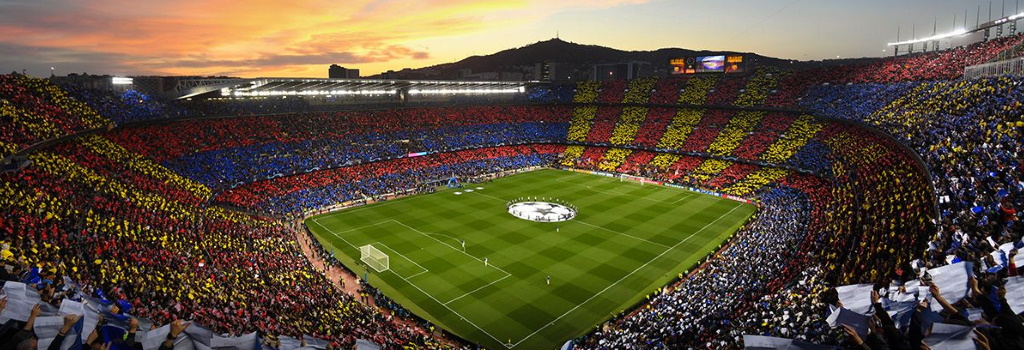
The 91 biggest football stadiums in Europe. From Manchester to Munich, Villa Park to Valencia - each one with a capacity over 40,000

Taking my son to his first football match was one of the best experiences I've had as a father so far. I've written this article for Alex to read when he gets older.