 Football Ground Map
Football Ground Map
Football Ground Map

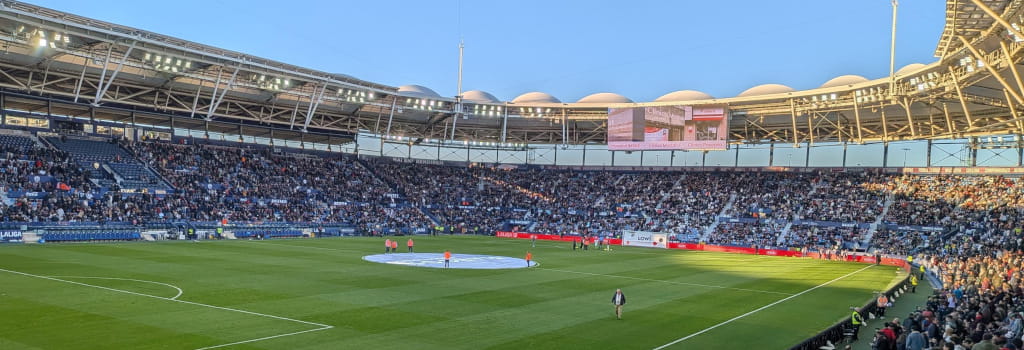
Football has always been about more than the result. For many supporters, the stadium itself is just as important as the ninety minutes played on the pitch. In recent years, visiting football grounds - often referred to as "groundhopping" - has grown from a niche hobby into a mainstream passion among fans across Europe and beyond.
In short, visiting football grounds is more popular than ever because travel has become easier, digital tools now allow fans to track progress, and modern supporters increasingly value experiences over possessions.
Groundhopping was once the domain of dedicated enthusiasts aiming to complete challenges such as the English 92 or visit every stadium in a particular division. Today, it appeals to a much wider audience.
Budget airlines, improved rail links, and flexible ticket platforms have made cross-border football travel far more accessible. A supporter can plan a weekend around a fixture abroad with minimal logistical difficulty. Stadium visits are no longer rare milestones - they are achievable goals.
Digital platforms have also transformed the experience. Fans can now log their visits, compare totals with friends, and set personal targets. This measurable progress adds a motivational layer to fandom.
Interestingly, this structured, trackable approach mirrors engagement patterns seen across other digital environments. For example, platforms such as Book of Slots organize content in ways that allow users to explore and compare structured experiences. While the subject matter differs, the principle of progress tracking and curated discovery reflects a broader digital behavior trend.
Modern football grounds are more than sporting venues. They are cultural landmarks.
Historic terraces, architectural showpieces, and city-center stadiums all offer distinct identities. For some supporters, the appeal lies in visiting iconic arenas like Old Trafford or the Allianz Arena. For others, it is about discovering smaller, atmospheric grounds in lower leagues.
Social media has amplified this curiosity. Matchday vlogs, stadium photography, and fan-led travel guides have made groundhopping visible and aspirational. A single viral image of a packed away end or a dramatic floodlit backdrop can inspire hundreds of new visits.
Technology has reshaped how supporters interact with football culture. Online communities allow fans to:
This digital infrastructure reinforces motivation. Human psychology responds strongly to measurable goals and peer comparison.
In wider online ecosystems, review-based environments operate in similar ways. Just as fans research stadium experiences before traveling, readers might explore a Fugu casino review before trying a new digital platform. In both cases, information transparency and peer insight shape decision-making. The structure differs, but the underlying behavior - seeking verified experiences before committing time or money - is consistent.
We live in what many analysts describe as the "experience economy." Consumers increasingly prioritize memorable activities over material purchases.
Attending a match at a new ground delivers:
Each stadium visit becomes part of a personal collection of experiences. Some fans track their totals meticulously, aiming for milestones such as 50, 100, or even 500 grounds visited.
Lower-league clubs have also benefited from this shift. Neutral supporters frequently attend matches simply to experience a unique venue, rather than because they support the team.
European competition and international tournaments have encouraged cross-border football tourism. Supporters now combine travel with fixtures, exploring new cities while expanding their stadium lists.
A weekend in Lisbon might include a Primeira Liga match. A trip to Germany could feature a Bundesliga fixture. Even smaller footballing nations are seeing increased international visitors.
This globalization reinforces the sense that football grounds are destinations in their own right.
Several factors suggest that groundhopping will remain popular:
Clubs themselves have recognized the value of stadium tourism. Many now offer enhanced matchday packages, behind-the-scenes tours, and interactive museum experiences.
Supporters increasingly want participation rather than passive viewing. Visiting a ground transforms football from something watched into something lived.
Visiting football grounds is more popular than ever because modern fans value experiences, measurable progress, and community engagement. Easier travel, digital tracking tools, and global football culture have combined to elevate groundhopping into a mainstream pursuit.
The stadium is no longer just a venue - it is a destination. For many supporters, every new ground adds another chapter to their football journey.
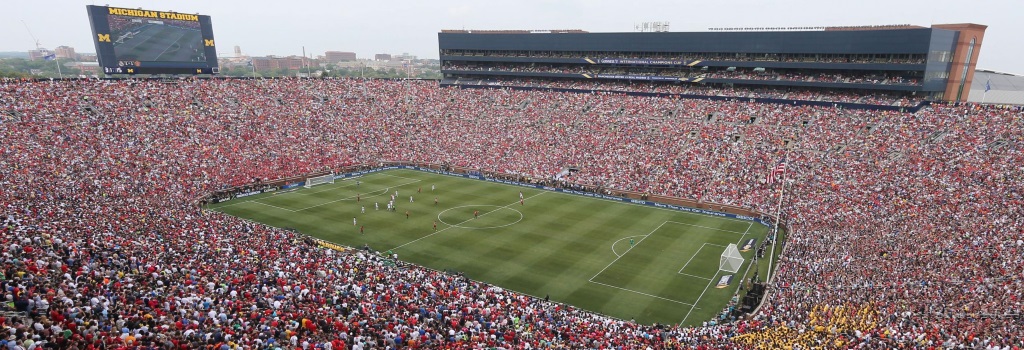
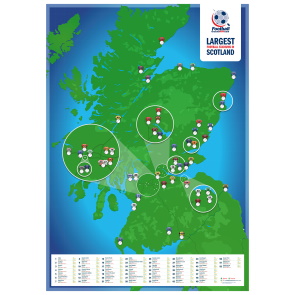
An in-depth look at the biggest football attendances ever recorded, from the 1950 World Cup to pre-season friendlies in the States and the Scottish ground with dozens of 100,000+ attendances

Tony Incenzo has been to over 2,000 football grounds - is he the world's barmiest football fan? Read about his love for Non-League football and groundhopping obsession, including watching a match in prison!
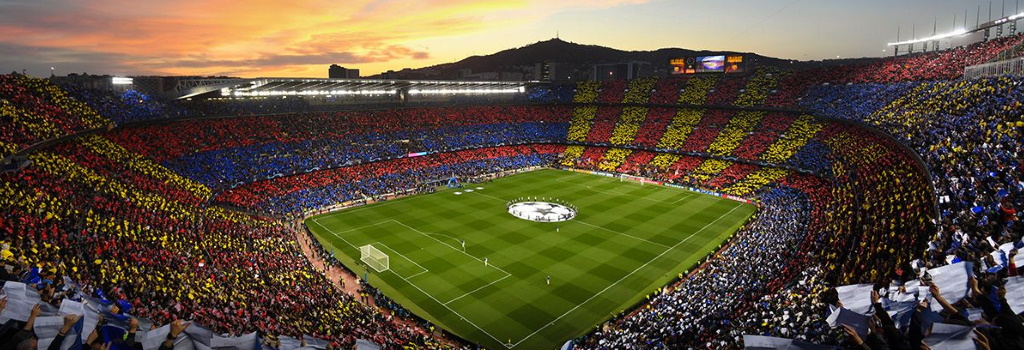
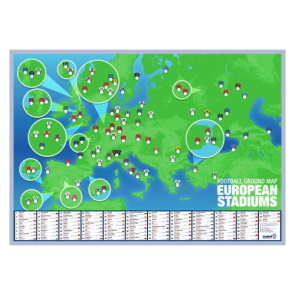
The 91 biggest football stadiums in Europe. From Manchester to Munich, Villa Park to Valencia - each one with a capacity over 40,000

Taking my son to his first football match was one of the best experiences I've had as a father so far. I've written this article for Alex to read when he gets older.