 Football Ground Map
Football Ground Map
Football Ground Map

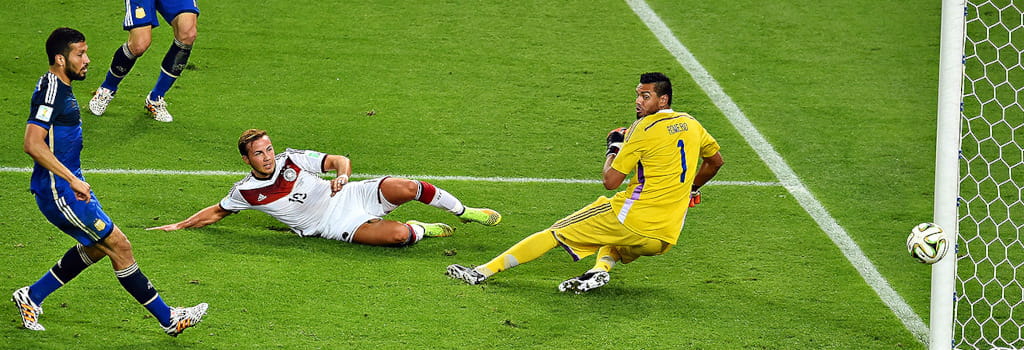
Around every four years, the FIFA World Cup pulls attention from nearly every corner of the globe as football shifts from weekly club routines into a shared international focus. You notice how quickly casual viewers turn into invested supporters as national teams take the spotlight, which creates conversations across workplaces, homes and public spaces. The competition carries emotional weight as players represent their countries, so every match feels larger than sport itself.
Moments such as last-minute goals or penalty shootouts spread across social media within seconds, which keeps engagement high from start to finish. Global viewership reaches billions, which reinforces its status as a worldwide event, with you often planning time around key fixtures so you can follow matches from the group stages through the knockout rounds.
That collective attention builds a rhythm that connects different cultures under one tournament narrative. For you, it becomes a rare moment where football feels like a shared language across borders, also giving you a sense of belonging even when you are watching far from stadiums in real time, as millions of others follow the same action at the same moment. The most recent FIFA World Cup final drew around 1.5 billion global viewers, which shows just how massive that shared attention still is today.
Iconic stadiums give the World Cup its identity as each venue adds character that influences how you experience matches on site or through broadcast. When you think about Estadio Azteca in Mexico City, you recall historic finals that featured legendary players, with the stadium carrying emotional weight across generations. Ultimately, these places become part of football memory itself.
The 2026 edition expands this across Canada, the United States and Mexico, with sixteen host cities selected to deliver varied settings from coastal metropolitan areas to inland sporting hubs. You will notice how Los Angeles, Dallas, Toronto and Mexico City each bring distinct cultural energy, where every match feels locally grounded yet globally significant. The final is scheduled for the New York-New Jersey region at MetLife Stadium, which adds anticipation for fans who follow the tournament journey from group stages onward.
Stadium design, seating capacity and lighting systems contribute to the atmosphere, so evening fixtures feel particularly intense. Host cities prepare fan zones, public screenings and transport upgrades so visitors can move through matchdays with ease. All of these elements combine, so you feel football becoming part of each city's identity. For you, attending in person or watching remotely still creates a sense of immersion that carries long after the final whistle.
International rivalries give the World Cup emotional depth that draws attention far beyond typical fixtures, as national pride meets long-standing history on the pitch. Matches between Argentina and England or Brazil and Germany carry decades of storylines, with every encounter feeling loaded with expectation. You often find yourself drawn into these games even when you do not support either side.
As knockout rounds arrive, pressure rises quickly, which brings unpredictable outcomes that keep supporters engaged worldwide. In tandem, the rise of digital sportsbooks means you also see discussions around betting odds for the World Cup, as fans compare favorites, form trends, injuries and tactical changes before kickoff, with that kind of analysis becoming part of the wider tournament conversation.
France, England, Spain, Brazil and Argentina frequently sit among the leading contenders for 2026, so debates about potential winners remain constant across media and fan spaces. Historic shocks, such as Morocco reaching the semifinals in 2022, remind you that underdogs can disrupt expectations at any stage. That uncertainty keeps interest high from the group stage through the final, as every match carries the possibility of rewriting predictions.
Tournament anticipation builds long before kickoff, as qualification campaigns, squad announcements and tactical debates keep attention active across global football communities. You see fans comparing national team form, which steadily raises expectations as 2026 approaches across Canada, the United States and Mexico. Meanwhile, the scale of preparation alone adds to the excitement.
The expanded format with 48 teams introduces more fixtures, which increases competitive storylines across group stages and knockout rounds. As mentioned, analysts highlight France, England, Brazil, Spain and Argentina as strong contenders, so conversations about potential winners dominate coverage for months. At the same time, emerging squads from Africa, Asia and North America add unpredictability, which keeps discussions balanced across regions.
You also follow club performances of star players closely, so individual form becomes a major talking point leading into the tournament. Travel planning, ticket allocation and broadcast scheduling all contribute to growing interest, so you find yourself checking updates more often as matchups are confirmed. Every detail, from group draws to injury reports, feeds anticipation, so you gradually feel the countdown tightening as opening day approaches across the continent.
Fan culture gives the World Cup its most visible expression, as supporters transform cities into celebrations filled with flags, music and shared emotion. You often see gatherings in public squares where strangers become temporary communities united by the same match, with the atmosphere extending far beyond stadium walls.
Meanwhile, traveling supporters bring chants, costumes and traditions that reflect national identity, which adds variety to every host city experience. The 2026 tournament across Canada, the United States and Mexico will likely amplify this dynamic, as larger attendance spreads across sixteen venues, where cultural exchange becomes more prominent than ever. Food vendors, street performances and organized fan zones contribute to the experience, so matchdays feel like full-day events.
You also notice how friendships form between supporters from different countries, which creates stories that last well beyond the tournament itself. Social media spreads highlights instantly, so moments of celebration reach global audiences within seconds. Ultimately, each World Cup leaves memories tied to places, people and emotions, which keep the tournament deeply embedded in football culture worldwide. And undoubtedly, that feeling stays with you long after the final whistle, as the next cycle of anticipation slowly begins again.
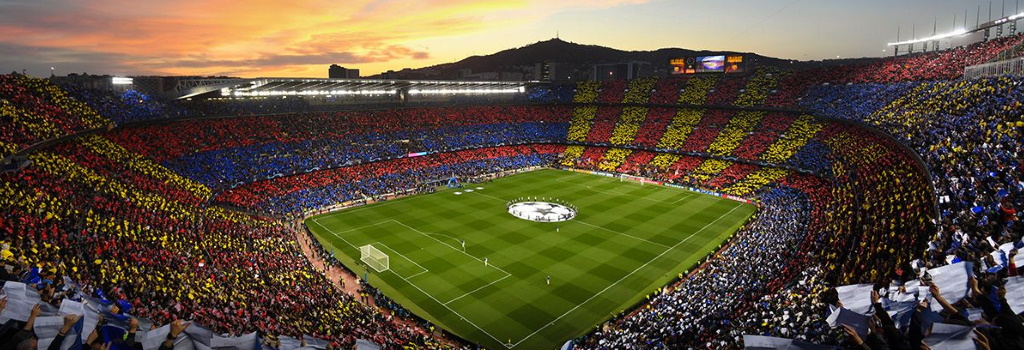
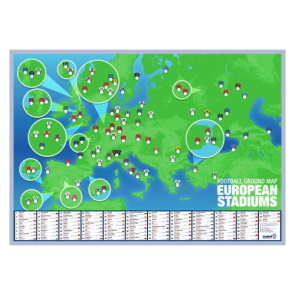
The 91 biggest football stadiums in Europe. From Manchester to Munich, Villa Park to Valencia - each one with a capacity over 40,000

Tony Incenzo has been to over 2,000 football grounds - is he the world's barmiest football fan? Read about his love for Non-League football and groundhopping obsession, including watching a match in prison!
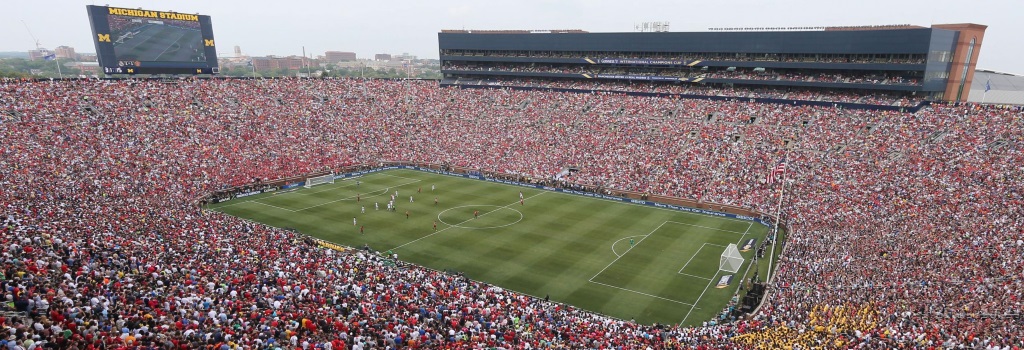
An in-depth look at the biggest football attendances ever recorded, from the 1950 World Cup to pre-season friendlies in the States and the Scottish ground with dozens of 100,000+ attendances
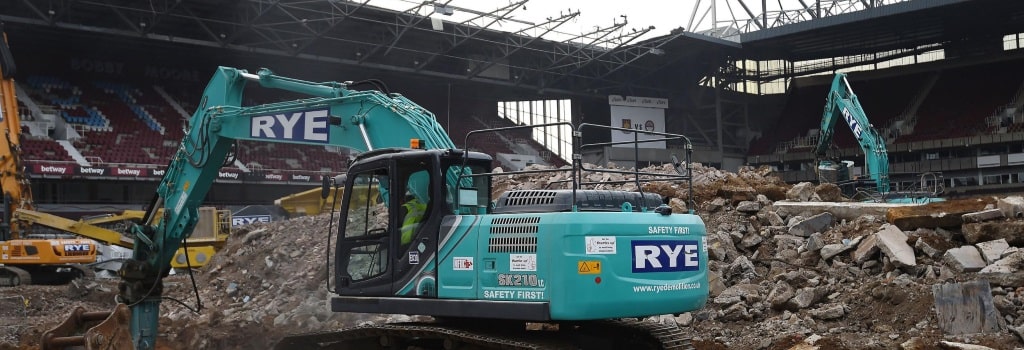
All good things have to come to an end, and the same unfortunately has to be said for football stadiums too. This article looks at the grounds which are soon to host their last match, the stadiums whose days are numbered and where fans will be watching their football from next.