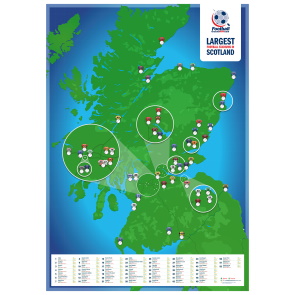
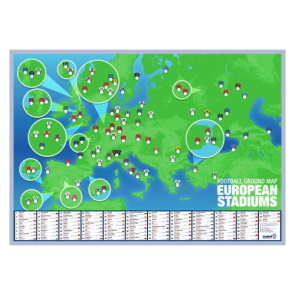
 Football Ground Map
Football Ground Map
Football Ground Map

The 2026 World Cup will sit at the centre of football, media, fan travel, and betting in North America. It will be a month of broadcast packages, social clips, preview shows, price changes, and app prompts. That makes 2026 World Cup betting a public subject, not only a private choice.
The timing is important. Legal betting has expanded across many US states, while Canada has opened regulated markets in key provinces. At the same time, odds have entered normal match talk. Prices, props, and in-play lines now appear beside team news. As this format becomes familiar, football betting awareness may move into mainstream debate. This article looks at public education, media responsibility, regulation, fan behaviour, responsible betting, and the need for clearer betting literacy.
The 2026 tournament spans the United States, Canada, and Mexico, so its betting story will not follow one script. Readers tracking regulation, market updates, and public debate around sports wagering can follow sports betting news at TGJ for added context as rules shift across host markets. Each host country brings its own laws, access points, advert rules, and public attitudes to sports wagering.
The United States still works through a state-by-state model. Canada relies on provincial control, with Ontario drawing much industry attention. Mexico adds another layer, shaped by older gambling law and local practice. These differences may sound technical, yet they affect what fans see before a match.
This mix will shape football betting markets before kick-off. Odds formats, adverts, payments, and app access may differ sharply. The North American betting market is not one market. It is three systems meeting under one FIFA schedule. Sports betting regulation will therefore become part of the public story, not only an industry concern.
Major football tournaments bring in casual viewers, not just regular punters. Many football fans know the squads, storylines, and scorelines. Fewer understand the price behind a bet. Odds can look simple, yet they carry probability, margin, and bookmaker profit. Live markets add speed. Accumulators add extra complexity.
This is where betting literacy matters. Simple education can show what odds mean, how implied probability works, and why losses are common over time. It can also explain why high-pressure matches can produce poor decisions. A late goal, a VAR review, or national pride can bend judgement.
Responsible gambling education should not speak only to heavy bettors. Casual fans also need practical signals. They need to recognize limits, marketing pressure, and misleading assumptions, such as treating a near miss as proof that the next bet is stronger.
In 2026, sports media will not just report goals. It will also frame betting odds, football predictions, and price moves. Sponsored studio slots, influencer picks, and live commentary can affect how fans read a match. A pundit's "smart bet" may sound like analysis. A live graphic may look like match context. Both can still point viewers towards a stake.
Odds do have editorial value. They can explain expectations, market sentiment, and uncertainty. Yet they should not be presented as certainty. A 2/1 price still implies a likely loss. A short favourite can still fail.
Clear labelling will matter. Paid picks need visible tags. Commentators need careful wording. Editors should separate analysis from betting prompts. Disclaimers should be plain, not hidden below the main copy. Responsible editorial standards can keep football coverage informative rather than promotional.
The cross-border design of 2026 will place betting laws under rare public attention. The United States, Canada, and Mexico do not use one shared rulebook. Licensing, tax models, age limits, data use, and responsible betting rules can differ by state, province, or national authority. It shapes consumer protection, public health messaging, and trust in match coverage.
Travelling fans may move from one host city to another and face different rules on account access, ID checks, payments, and sports betting advertising. An advert allowed in one place may face tighter limits elsewhere. Such variation can confuse casual spectators. Regulators, operators, broadcasters, and tournament partners will need clear public communication. People should know which rules apply before they see a prompt, scan odds, or place a bet.
Responsible betting messages often arrive after trouble starts. They appear after losses grow, deposits rise, or long sessions form. That is late. The 2026 tournament could move education earlier. Fans could see guidance before major matches, during broadcasts, inside apps, and across football media.
Useful responsible betting tips should be direct. Set betting limits before placing any stake. Decide a budget, then stop there. Avoid chasing losses after a late goal or missed penalty. Odds shift quickly during live betting, so fast prices can distort judgement. Team loyalty should stay separate from betting choices. Supporting a country is emotional. A wager needs colder thinking.
Early messages support problem gambling prevention. They also help casual fans act with more care before pressure builds.
Football organizations, sponsors, media brands, and publishers shape public habits. Their wording can make betting seem routine, safe, or urgent. Football betting content should explain risk, not only picks, odds, and possible payouts.
Sports betting education can fit inside normal coverage. Publishers can explain terms such as stake, margin, accumulator, and implied probability. They can also separate editorial analysis from paid promotion. That line should be visible to readers.
Betting transparency requires plain labels and sober claims. "Best value" should not sound like a promise. "Almost certain" should be avoided. Where suitable, articles should link to responsible gambling resources and helplines. Good coverage helps readers pause, compare, and understand risk before they act.
Good football betting tips start with the basics. Odds show probability, not truth. A short price can still lose. A long price is not a hidden promise.
Set a bankroll before kick-off. Use money already set aside, not rent, bills, or travel funds. Once that limit is gone, stop.
Live betting brings pressure. Prices move after cards, injuries, substitutions, and VAR checks.
Keep team loyalty away from your stake. National pride can cloud judgement.
Betting awareness matters because football stays uncertain. Form, tactics, weather, and chance can change any match.
The 2026 tournament could mark a turning point. It brings major football attention, wider legal betting access, heavy media coverage, and sharper public debate into one shared period. That mix gives 2026 World Cup betting awareness unusual importance.
The issue is not only about apps or odds. It is about how football is discussed, sold, watched, and understood. Responsible sports betting needs plain language, early guidance, and honest context. Football betting education should help fans read odds, set limits, and resist pressure. It should not sit on the margins. It should be part of how fans, media, regulators, and football organizations talk about the tournament.
23 interesting things to do to pass the time until the football season restarts
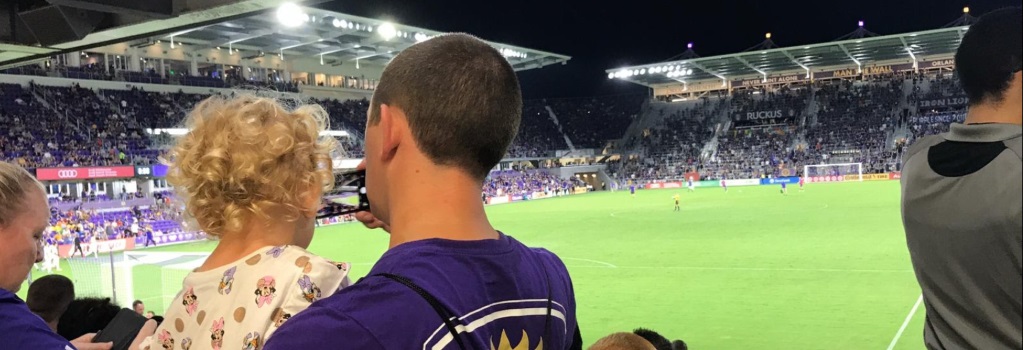
My daughter's first ever football match - Orlando City v Atlanta United, August 2019. Written for Izzy to read when she gets old enough. Vamos Orlando
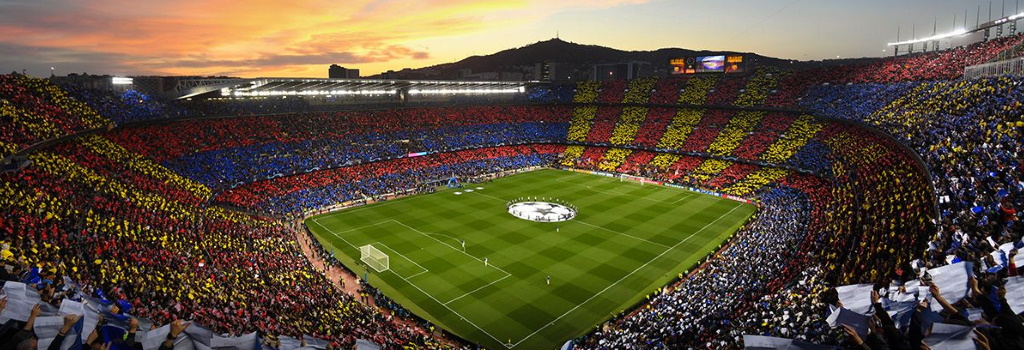
The 91 biggest football stadiums in Europe. From Manchester to Munich, Villa Park to Valencia - each one with a capacity over 40,000
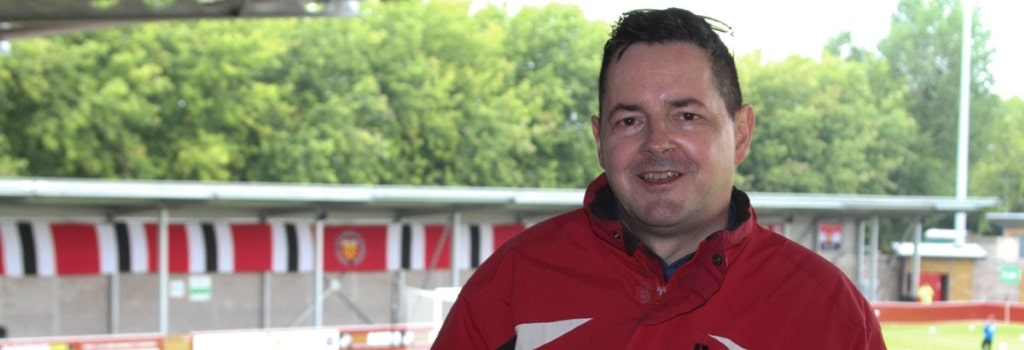
Tony Incenzo has been to over 2,000 football grounds - is he the world's barmiest football fan? Read about his love for Non-League football and groundhopping obsession, including watching a match in prison!