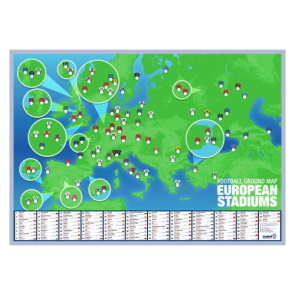
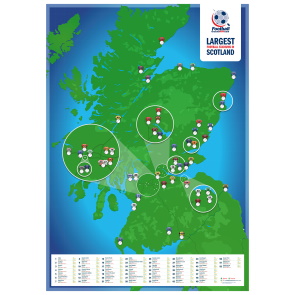
 Football Ground Map
Football Ground Map
Football Ground Map


Ask most football fans why a game was won or lost, and you will get the same answers every time: tactics, form, a moment of quality, or a bad decision. Stadiums rarely get a mention. They are treated as scenery - impressive, loud, sometimes intimidating, but ultimately passive.
That's a mistake.
Football grounds influence matches in ways that don't show up on the team sheet. Pitch size, sightlines, surface quality, and even how close the crowd feels to the action all shape how teams behave once the game settles. Some sides thrive in their own environment and look half a step slower everywhere else. Others struggle to impose themselves at home for reasons that have nothing to do with talent.
Once you stop thinking of stadiums as neutral venues and start seeing them as variables, a lot of "surprising" results make far more sense.
Home advantage gets talked about a lot, but it's often simplified to one thing: the crowd: noise, pressure on referees, intimidation - all real factors, but not the whole story.
The stadium itself does a lot of the heavy lifting.
Pitch dimensions, for a start, vary more than many fans realise. Some grounds are tight and narrow, which naturally compresses space and encourages direct football. Others are wide and open, giving technical teams room to breathe and stretch opponents.
These differences aren't accidental. Clubs tend to build squads that suit their surroundings. Over time, playing style and stadium feed into each other.
Then there's familiarity. Players know their own pitch in a way visitors never quite do:
None of this shows up in pre-match graphics, but at the top level, small advantages stack up quickly.
Stadium design has changed dramatically over the last two decades, and with it, the way atmosphere affects matches.
Older grounds, with steep stands and fans close to the pitch, tend to trap sound. The noise doesn't just get louder - it feels heavier. Visiting players notice it immediately, especially early in games.
Newer stadiums are impressive and comfortable, but they don't always generate the same edge. Increased capacity, wider concourses, and greater distance from the pitch can soften the impact, even when attendance is high.
This psychological element is difficult to measure, but it shows up over time. Some teams remain stubbornly strong at home despite dips in form. Others lose something intangible after moving to a new stadium, even if performances eventually recover.
At that point, the ground becomes part of the club's identity - something players internalise without really talking about it.
Where a stadium is located matters more than most people give it credit for.
Travel distance alone can affect preparation and recovery, particularly when schedules are congested. Add in unfamiliar conditions, and the challenge grows.
Specific environments consistently influence how games are played:
Teams adapt, of course, but adaptation isn't instant. Over the course of a season, these factors quietly shape results in ways that aren't always obvious match to match.
They don't decide games on their own, but they shift the margins.
This is where stadium analysis overlaps with match prediction, even if it's rarely discussed openly.
Analysts who dig a little deeper don't just look at form or league position. They factor in things like:
Instead of treating every venue as interchangeable, they view stadiums as variables that influence how a game is likely to unfold. It's one reason why more experienced followers of the sport tend to value premium football tips that account for context rather than simply reacting to recent results, such as the analysis found on Capper Lounge.
That approach isn't about chasing certainty - football doesn't offer that. It's about understanding why certain outcomes repeat themselves in specific places.
And once you start looking at matches through that lens, the role of the stadium becomes hard to ignore.
If you follow European football closely, you have probably noticed specific grounds behaving the same way year after year, regardless of who's playing. It's not superstition - it's pattern recognition.
A few examples that regularly come up in match analysis:
Neutral venues add another layer of unpredictability. Cup finals, in particular, often strip away the emotional edge that home teams rely on. However, familiarity still matters. Teams that play in stadiums with similar layouts or sightlines usually settle faster.
Temporary relocations are even more revealing. When clubs move, even briefly, performance often dips. Training routines change. Matchday habits break. Players lose the small comforts that are generally overlooked.
Once you start paying attention to these details, it's hard to unsee them.
Stadiums aren't neutral containers for football. They actively shape the game, whether people realise it or not.
Here's what they influence most directly:
1. Tactical choices
Coaches adjust pressing lines, width, and tempo based on pitch size and surface.
2. Player confidence
Familiar surroundings reduce hesitation, especially under pressure.
3. Game rhythm
Ball speed, bounce, and even lighting can change how quickly matches flow.
4. Decision-making late in games
Fatigue, noise, and spatial awareness all collide in the final minutes.
For supporters, spotting these patterns makes watching football more interesting. Matches stop feeling random. For analysts and historians, stadiums become part of the story rather than background scenery.
When a result doesn't make sense on paper, it's often worth checking where the match was played before asking what went wrong on the pitch.
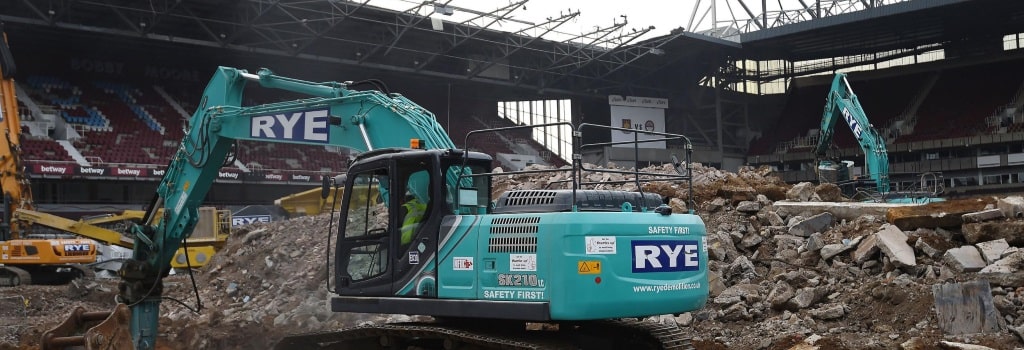
All good things have to come to an end, and the same unfortunately has to be said for football stadiums too. This article looks at the grounds which are soon to host their last match, the stadiums whose days are numbered and where fans will be watching their football from next.

Tony Incenzo has been to over 2,000 football grounds - is he the world's barmiest football fan? Read about his love for Non-League football and groundhopping obsession, including watching a match in prison!
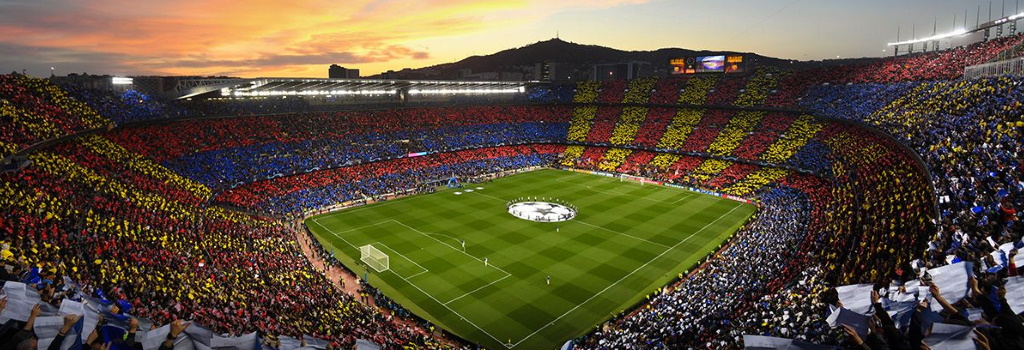
The 91 biggest football stadiums in Europe. From Manchester to Munich, Villa Park to Valencia - each one with a capacity over 40,000

Taking my son to his first football match was one of the best experiences I've had as a father so far. I've written this article for Alex to read when he gets older.