 Football Ground Map
Football Ground Map
Football Ground Map

Football fans are rarely neutral, and that passion often spills over into how they think about the game beyond the pitch. Whether it's predicting weekend results or joining a sweepstake, many people feel a pull toward certain clubs when making choices, and that instinct isn't always logical. For some, loyalty to a lifelong team clouds judgement; for others, it's about perception, nostalgia, or gut feeling. While statistics and form guides may promise objectivity, the truth is that emotion, memory, and reputation often have a stronger influence on which teams people back, cheer for, or simply believe in.
Some clubs are trusted simply because of who they are. Sides like Manchester United and Real Madrid have been at the top for so long that people naturally expect them to stay there. Even when a team's having a bad run, fans often feel they'll sort it out sooner or later.
That sense of confidence also appears in how people use online betting platforms. For some sites, accepting credit cards is a big positive because they're straightforward, secure, and make it simple to place a bet on the leagues fans follow. Knowing their money is handled safely helps people relax and enjoy what they're doing. That trust builds naturally over the years, shaped by following the same club and learning how they rise and fall season after season.
Most football fans grow up with one club that feels like a part of them. That sense of loyalty usually stays, even when they're trying to call the outcome of a match. Most fans back the clubs they've always known, the ones their families supported or that remind them of growing up around the game. Loyalty like that builds slowly. It comes from years of small moments, watching matches with family, travelling to see the team play, and swapping stories about great wins or heartbreaks. Someone who's followed Aston Villa for decades might get a feeling about how the team will perform, even when the stats say something different. It's not something they think about; it's just part of how they see the game. That kind of comfort can blur the line between belief and reason, yet it's also what makes football feel so personal to so many people.
Media attention can influence perceptions just as much as tradition. When a team strings together a run of victories, the constant coverage can make it feel unstoppable. This is how recency bias works: people give more weight to recent success than to long-term consistency. Fans often back sides that are “on form”, even if the wins came against weaker opposition. A single highlight reel can make a club seem unbeatable for weeks. Momentum in football is rarely permanent, but the sense of it can shape how fans make choices from one weekend to the next.
Football coverage doesn't just reflect results; it helps form opinions. A few confident pundit comments or recurring headlines can alter how a team is viewed across the country. When broadcasters frame Arsenal as resurgent or portray Chelsea as struggling, those labels stick. Fans internalise those ideas without realising it, and that often carries into how they talk about fixtures or pick potential winners. The cycle continues as people repeat what they hear, turning commentary into perceived truth. It can change how people see the game just as much as the action itself, despite only being a small thing.
For many fans, backing a club goes beyond sport. Loyalty to a club often runs through where someone's from and who they grew up with. Backing the local team ties people to their hometown, even when results aren't great. People from places like Newcastle or Leeds don't walk away from their club when things go wrong. That loyalty runs deep in families and colours how they see the game, even when the team's struggling.
The same feeling comes out even more during international tournaments. When the national team is playing, individual loyalties blend into a shared hope. For a short time, everyone starts to believe their country might actually do it. It pulls people together like little else can and reminds us how much pride and feeling shape the way fans see the game.
Plenty of supporters prefer to back the smaller clubs, the ones fighting against the odds. There's something special about seeing a team no one expected to win pull off a surprise. Leicester City's title run in 2016 is the perfect example, a season that turned belief into something real. For many neutral fans, moments like that are why they love the game.
Loyalty in football doesn't always make sense. Fans are guided by emotion, habit, and the stories tied to their clubs. Fans usually trust their gut, even when the stats point the other way. Pride, memories, and emotion shape the way people connect with football. They're what make it feel personal, even when the game takes unexpected turns.
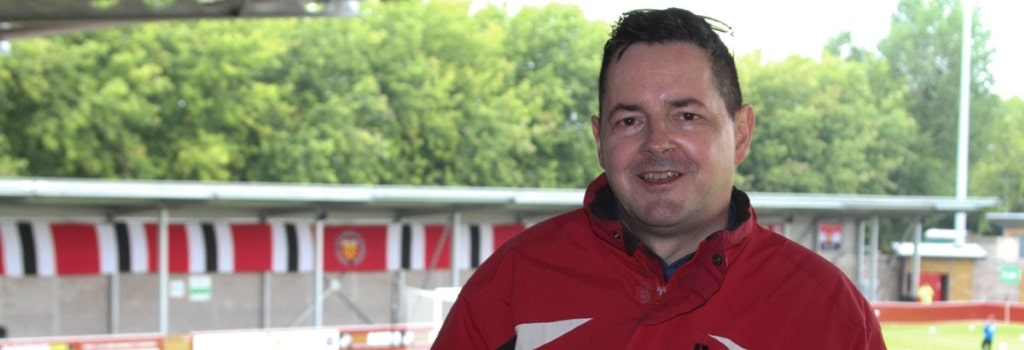
Tony Incenzo has been to over 2,000 football grounds - is he the world's barmiest football fan? Read about his love for Non-League football and groundhopping obsession, including watching a match in prison!
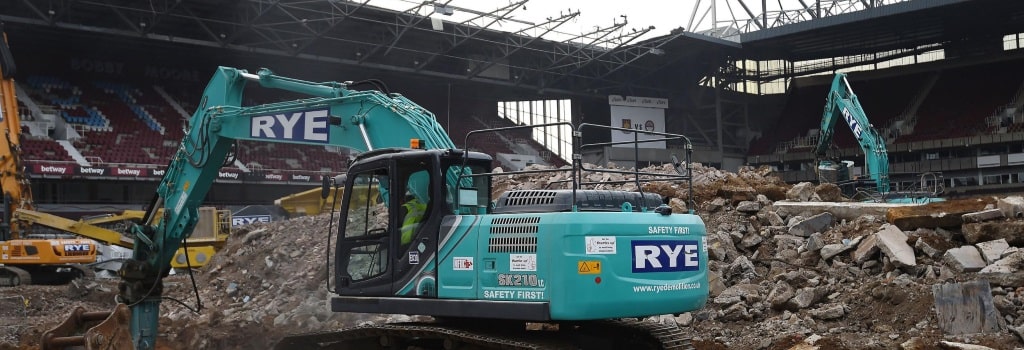
All good things have to come to an end, and the same unfortunately has to be said for football stadiums too. This article looks at the grounds which are soon to host their last match, the stadiums whose days are numbered and where fans will be watching their football from next.

Taking my son to his first football match was one of the best experiences I've had as a father so far. I've written this article for Alex to read when he gets older.
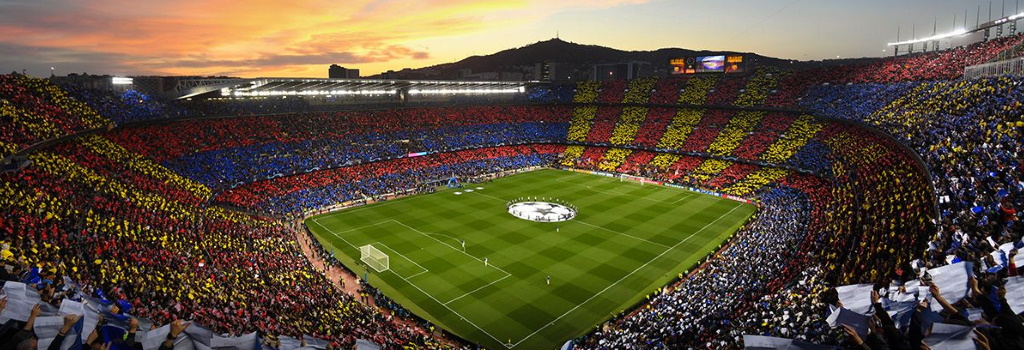
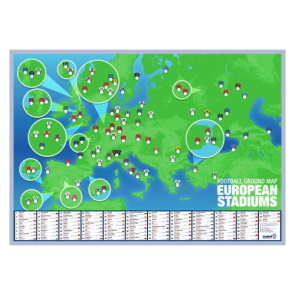
The 91 biggest football stadiums in Europe. From Manchester to Munich, Villa Park to Valencia - each one with a capacity over 40,000