 Football Ground Map
Football Ground Map
Football Ground Map

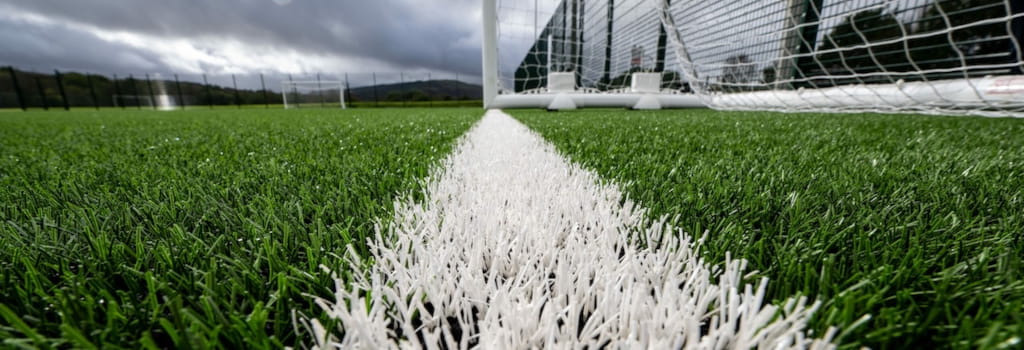
There are thousands of football pitches across the UK, and not all of them are made of grass. Whether you're booking a five-a-side session or joining a Sunday league, there's a good chance you've played on or come across a 3G pitch.
3G football pitches have become a big part of grassroots football in recent years. Knowing what they are can help you choose the right boots or book the right venue with friends. In this article, we’ll be covering everything you need to know about 3G artificial pitches.A 3G pitch is an artificial grass surface built to replicate the look and feel of natural grass. The "3G" stands for Third Generation, meaning it's the third major evolution of artificial turf technology.
A 3G football pitch is made up of three key components:
These three layers work together to create a surface that can handle heavy use in all weather conditions. In our experience, the biggest difference players notice when stepping onto a 3G football pitch for the first time is how much closer it feels to natural grass. The cushioning, the ball movement, and the overall feel underfoot are all a step above what earlier generations of artificial turf could offer.
Artificial football pitches were unpopular for many years, but 3G surfaces have helped change that perception. The surface a game is played on genuinely changes results, something horse racing has always taken seriously. Going conditions are studied closely by trainers and punters, which is why getting the best price on a race matters so much. Best odds guaranteed betting sites exist precisely for that reason.Is a 3G pitch the same as Astroturf?
No, a 3G pitch is not the same as Astroturf. Astroturf is an older style of artificial surface, while a 3G pitch is more advanced.
What is the difference between a 3G pitch and a 4G pitch?
A 3G pitch uses sand and rubber crumb infill, while a 4G pitch has no infill at all. 3G pitches are currently the only artificial surface recognised by football's governing bodies, like FIFA.
What are the advantages of a 3G pitch?
3G pitches can be used in all weather conditions and offer far more playing hours than natural grass.
Can you wear football boots on a 3G pitch?
Yes, most 3G football pitches are suitable for moulded boots and astro trainers. It's always worth checking with the specific venue before you play, though.
Can a 3G pitch get waterlogged?
No, 3G pitches can’t get waterlogged because they are designed with drainage systems that prevent waterlogging.
Are 3G pitches allowed in the Premier League?
No, 3G pitches aren’t allowed in the Premier League. Premier League stadiums have natural or hybrid grass surfaces. 3G pitches are predominantly used in grassroots and recreational football, so it’s impossible to see them in the largest stadiums across the world.
Are 3G pitches good?
Yes, 3G pitches are good as they offer a consistent, safe, and reliable playing surface in all weather conditions.
Can you play with studs on 3G?
Yes, studs can be worn on a 3G pitch, though moulded boots are generally the most recommended option. Metal studs are often restricted.
Tony Incenzo has been to over 2,000 football grounds - is he the world's barmiest football fan? Read about his love for Non-League football and groundhopping obsession, including watching a match in prison!
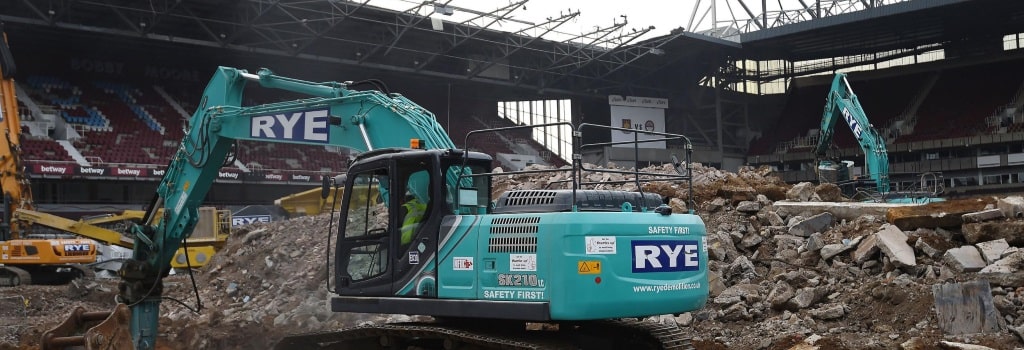
All good things have to come to an end, and the same unfortunately has to be said for football stadiums too. This article looks at the grounds which are soon to host their last match, the stadiums whose days are numbered and where fans will be watching their football from next.

My daughter's first ever football match - Orlando City v Atlanta United, August 2019. Written for Izzy to read when she gets old enough. Vamos Orlando
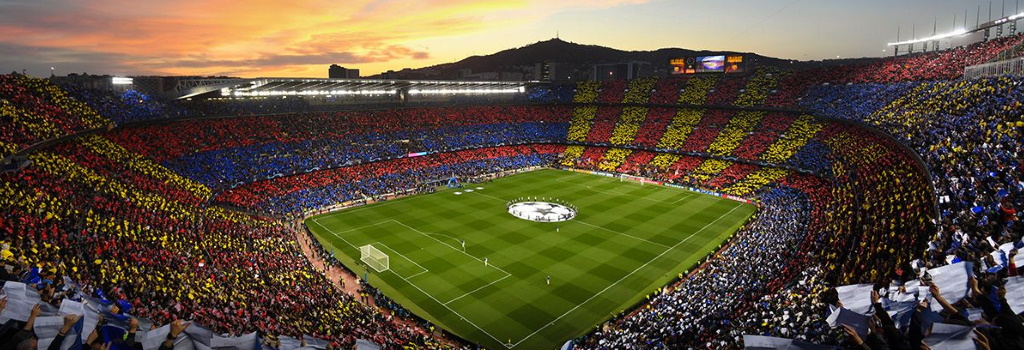
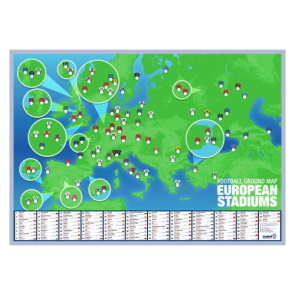
The 91 biggest football stadiums in Europe. From Manchester to Munich, Villa Park to Valencia - each one with a capacity over 40,000