 Football Ground Map
Football Ground Map
Football Ground Map

The 2026 FIFA World Cup is mere weeks away, as fans around the globe begin to dream about their nation taking the ultimate glory and lift the famous golden trophy.
It will be the largest sporting event ever, with an estimated $9 billion in revenue to be this year alone, eclipsing the 2024 Paris Olympics, which earned around $4.5 billion. TV viewership is also expected to break records, while UK bookmakers are steeling themselves for a busy betting period too!
But it's not just about the money, the beauty of the expanded 48 nation tournament is seeing the "new" additions to the tournament, learning about new teams, players and locations.
I love a good statistic, or some interesting numbers, so rather than the usual articles discussing the population of Curacao, or when DR Congo graced us with their presence, under their previous guise, as Zaire (1974), I want to look at the five nations with the smallest national stadium capacities.
*Stadia and capacities are based on several factors, including number of matches hosted and capacity for international games, which can vary from the norm.
Capacity: 19,370
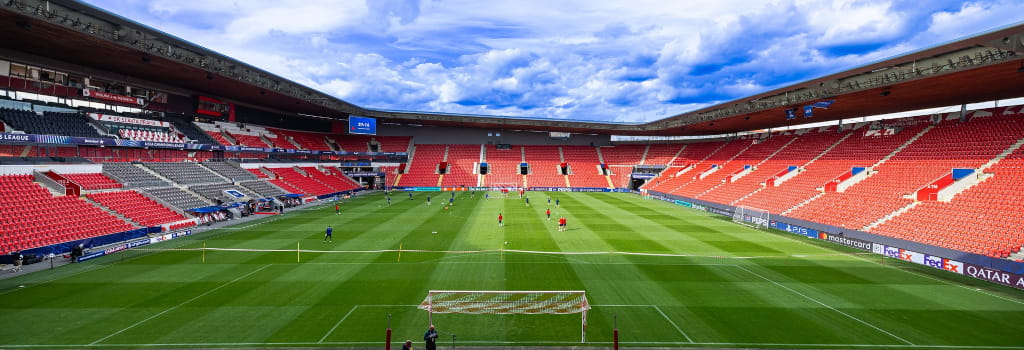
To some surprise, Europe features two nations in the top five smallest national stadiums, with Czechia's Fortuna Arena first on our list.
Used alongside other stadia, the "Eden Stadium" is home to Slavia Prague and for the most part, the national team. The old stadium was knocked down in 2003, and after some delays amid rising costs, the stadium opened in 2008, with a friendly match against Oxford University.
Further redevelopment came from the owners of Slavia Prague and in 2016/17, it became the principal stadium for the Czech national side.
Capacity: 17,600
Jordan made history by qualifying for their first ever World Cup Finals, and did so by playing Amman International Stadium, in the nation's capital.
The stadium was opened in 1968 and is used by Al-Faisaly Sports Club, the country's most successful domestic club, which has won 35 league titles. The stadium is also used for cup games, the Super Cup and has been featured in the FIFA Women's U-17 World Cup.
In the recent World Cup Qualifying campaign, their average attendance was around the 14,000 mark, with 15,500 in attendance at the final match against Iraq.
Capacity: 15,600
The second European nation to feature is Bosnia-Herzegovina, with its Bilino Polje Stadium in Zenica, home to NK Celik in the Bosnian top flight and for the most part, the national side.
The national team stadium is rotated between three arenas, with the usage of this arena, the more commonplace.
The smaller stadium makes sense, with an average domestic attendance in the top flight of 2,400+, with Zeljeznicar's 8,376, the best supported club in the country.
Built in 1972, the stadium was used for the national team's first ever match (against Albania) in 1996 and has become a symbol of the national side's strength, thanks to positive results against foreign sides here, with just nine defeats in fifty-three matches played.
Capacity: 15,000
Cabo Verde is another nation that has qualified for a first ever tournament, with the African nation playing at the Estádio Nacional de Cabo Verde in the capital, Praia.
The stadium was funded and built via the aide of the Chinese government and opened its gates in 2014, with the first national team match played there against Zambia in African Cup of Nations qualifying. Ze Luis scored became the first scorer at the new venue, helping the side to beat Zambia 2-1.
The national stadium is only used by the national football team, while a built-in athletics track is used for other sporting events.
The population of the Archipelago is around 550,000, with the nation becoming independent from Portugal back in 1975.
Capacity: 10,000
The smallest nation at the World Cup Finals, with a populus of just 157.100 inhabitants, Curacao are unsurprisingly, the nation that also has the smallest nation stadium.
The stadium is a multi-purpose arena in Willemstad, the capital and largest city in Curacao.
It is named after the legendary goalkeeper, Ergilio Pedro Hato, who was courted by Ajax, Feyenoord and Real Madrid in the 1950's, but rebuffed the advances, as he wanted to stay an amateur player, but lead the then Netherland Antilles to the Olympics.
The arena was renovated in 2013 to better serve the international side but is also used by the following club sides: CRKSV Jong Holland, CRKSV Jong Colombia and RKSV Centro Dominguito.

Taking my son to his first football match was one of the best experiences I've had as a father so far. I've written this article for Alex to read when he gets older.
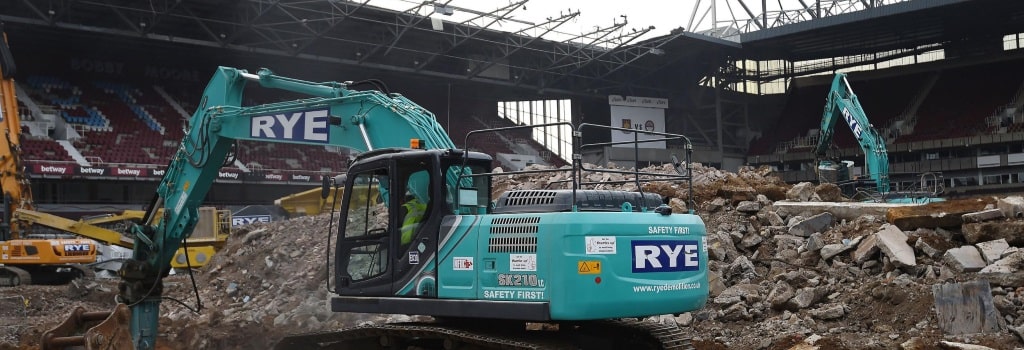
All good things have to come to an end, and the same unfortunately has to be said for football stadiums too. This article looks at the grounds which are soon to host their last match, the stadiums whose days are numbered and where fans will be watching their football from next.

23 interesting things to do to pass the time until the football season restarts
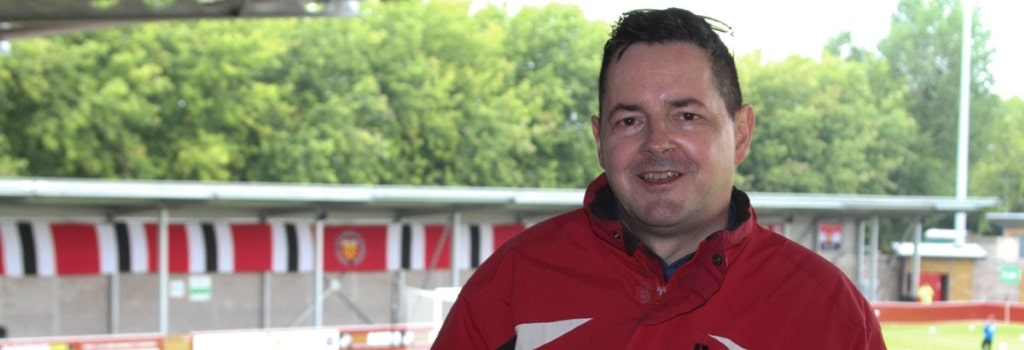
Tony Incenzo has been to over 2,000 football grounds - is he the world's barmiest football fan? Read about his love for Non-League football and groundhopping obsession, including watching a match in prison!