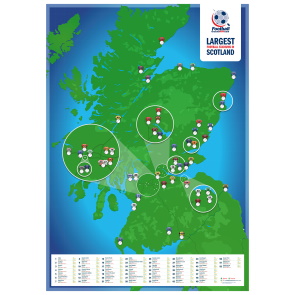
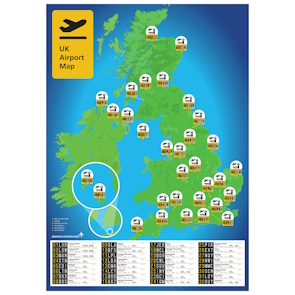
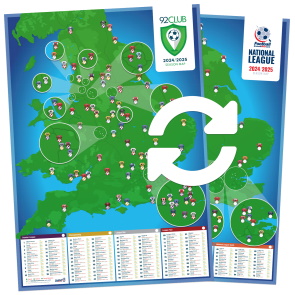
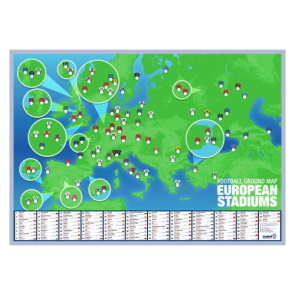
 Football Ground Map
Football Ground Map
Football Ground Map

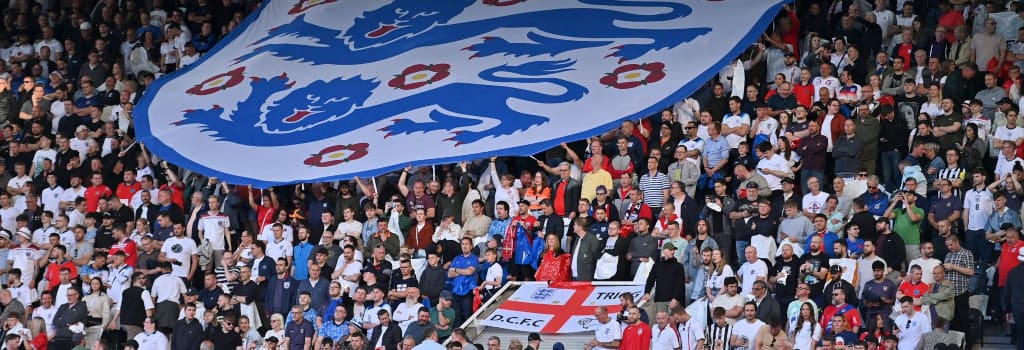
Modern football culture is not shaped only by players, clubs, or sponsors. It is shaped every single week by football fans. They fill stadiums, start chants, paint banners, argue about lineups, and protect the identity of their clubs. Without football fans, the game would still exist, but it would feel empty. Quiet. Less alive.
Today, fan communities live both inside and outside the stadium. Digital spaces have grown, and tools like video chat and online talk allow fans to stay connected when distance or cost keeps them away from live matches. Still, the heart of football culture remains physical, emotional, and deeply tied to the crowd.
Stadium culture is one of the strongest expressions of football identity. It is a place where strangers become allies. Where voices blend into one. Where silence can feel heavy and noise can feel like power.
For football fans, the stadium is not just a venue. It is a second home. Some supporters have attended the same stand for decades. They sit in the same rows. They recognize faces. They share food, flags, and stories.
Supporter traditions are the memory of football culture. They connect the present to the past.
Some traditions are loud. Drums, chants, fireworks.
Others are quiet. A moment of silence. A banner with a simple message.
In Argentina, supporters create massive visual displays called “tifos.” In England, chants pass from generation to generation. In Germany, standing sections remain central to stadium culture. These are not random acts. They are cultural expressions.
Being part of a fan community gives people identity.
You are not just a person. You are a supporter. You belong somewhere.
This is especially powerful in modern society, where many feel isolated. Football fans find structure in match days, hope in new seasons, and connection in shared emotion.
Psychologists studying sports communities found that group identification among football fans can increase feelings of social support by over 40%. That is not small. That is life-changing for some people.
Stadium culture offers something rare: emotional permission. You can shout. Cry. Celebrate. Fail together. And nobody judges you.
Digital tools changed how fan communities communicate. But they did not replace stadium culture. They expanded it.
Today, football fans use forums, social media, video chat platforms, and group calls to stay connected. A fan in Brazil can open the CallMeChat video platform and talk to another fan in Turkey in seconds. Platforms like CallMeChat have significantly strengthened the connection between fans, something that was impossible twenty years ago.
Online talk allows debates, match analysis, and emotional support after wins and losses. Video chat makes watch parties possible even when people are far apart. Friends can see reactions in real time. They can laugh, complain, and celebrate together.
These tools are neutral. They are not the heart of football culture, but they help it survive in modern life.
Supporter groups today are more organized than ever.
They plan to travel. They coordinate chants. They design banners. They discuss club politics.
This improves inclusion. Younger fans, students, and international supporters can join discussions. The community becomes larger but still personal.
Still, the main goal remains the same: protecting stadium culture and supporter traditions in real life.
Football fans are not all the same age. Grandparents stand next to teenagers. That is rare in modern culture.
Supporter traditions act as a bridge between generations. Older fans teach chants. Younger fans bring new energy and ideas.
Stadium culture adapts slowly. That is its strength. It changes without forgetting.
Modern football is heavily commercial. Tickets are expensive. Shirts change every season. Sponsorship logos grow bigger.
Football fans often push back. Not against money itself, but against losing authenticity.
When stadiums rename historic stands for sponsors, supporters protest. When kickoff times are changed for TV audiences, stadium culture suffers. Attendance drops. Energy weakens.
Supporter traditions act as a form of resistance. A reminder that football belongs first to the people who sing and show up, not only to those who invest.
One fan shouts. Ten fans shout louder. Ten thousand fans become a force. That is the emotional power of football fans.
Players often say the crowd changes games. Statistics support this. Home teams win about 60% of matches in major European leagues. Stadium culture plays a major role in that advantage.
Football culture is local and global at the same time.
A chant born in Italy can appear in Poland. A banner idea from South America appears in Europe. Online talk spreads creativity quickly.
Through video chat, international fan groups exchange ideas. They share designs. They discuss social issues. They support causes beyond football.
This global exchange does not weaken supporter traditions. It enriches them.
Football culture lives in the people who care deeply. In football fans who travel long distances. In stadium culture that turns concrete buildings into sacred spaces. In supporter traditions that protect history and identity.
Modern tools add convenience. They add speed. They add connection. Video chat and online talk help communities survive in a fast world. But they remain neutral helpers, not the core.
The core is human presence. Human voice. Human loyalty.
As long as football fans continue to gather, sing, argue, celebrate, and protect their culture, football will remain more than a sport. It will remain a living tradition passed from one generation to the next.
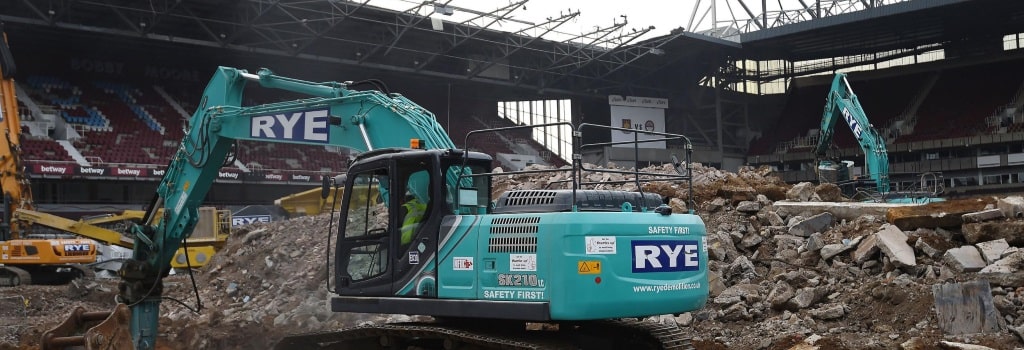
All good things have to come to an end, and the same unfortunately has to be said for football stadiums too. This article looks at the grounds which are soon to host their last match, the stadiums whose days are numbered and where fans will be watching their football from next.
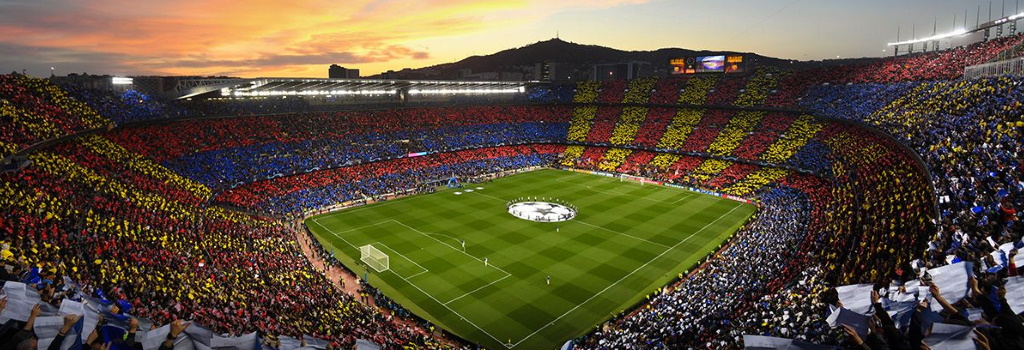
The 91 biggest football stadiums in Europe. From Manchester to Munich, Villa Park to Valencia - each one with a capacity over 40,000

Tony Incenzo has been to over 2,000 football grounds - is he the world's barmiest football fan? Read about his love for Non-League football and groundhopping obsession, including watching a match in prison!
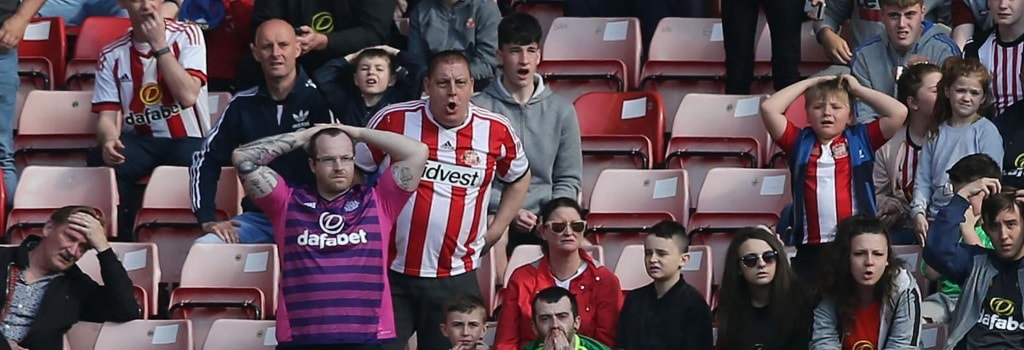
23 interesting things to do to pass the time until the football season restarts