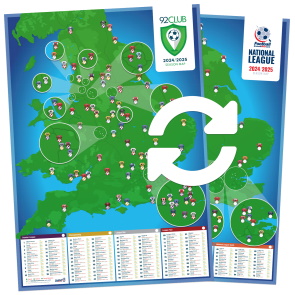
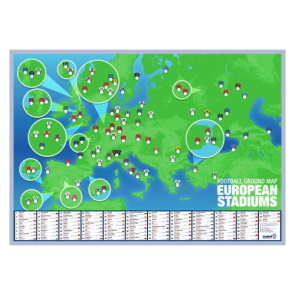
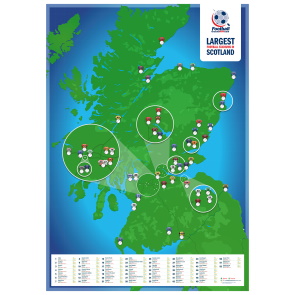
 Football Ground Map
Football Ground Map
Football Ground Map


Football groundhopping has grown from a niche habit into a serious interest for many supporters who want to experience the game beyond familiar stadiums. The idea sounds simple: visit different football grounds, watch matches in new places, and collect memories from each trip. Yet the rise of groundhopping reflects a wider shift in how fans engage with football. They no longer limit their interest to scores, transfers, and major leagues. Many now care about stadium culture, local identity, matchday routines, and the atmosphere around clubs of every size.
For some fans, planning a football weekend now involves researching fixture lists, train routes, ticket rules, local cafés, and casinobossy before choosing where to go. This practical side has become part of the appeal. Groundhopping turns football into a full-day or weekend experience, not just a ninety-minute match.
Many football supporters feel that elite football has become more expensive, more controlled, and less accessible. Big stadiums can still offer impressive events, but they often come with higher ticket prices, strict schedules, and a more polished matchday format. Groundhopping gives fans another option.
At smaller clubs, visitors often find a direct connection between the team and the local community. The stadium may sit near houses, shops, schools, or old industrial areas. Supporters may know players personally. Volunteers may sell tickets, prepare food, or help manage the turnstiles. This creates a different kind of football experience.
Groundhoppers often value:
These details matter because they make each ground feel specific. A supporter can visit two stadiums in the same region and still experience two very different matchdays.
Groundhopping existed long before social media, but online platforms have helped it grow. Fans now share photos of stadium entrances, old stands, match tickets, terraces, floodlights, and local food. This type of content travels quickly because it feels real and easy to understand.
A post from a small stadium can attract attention if it shows character. A covered terrace, a muddy pitch, a local derby, or a packed clubhouse can interest football fans who usually follow larger competitions. Social media also helps people discover clubs they would never find through mainstream coverage.
However, the best groundhopping content usually focuses on observation rather than performance. Fans respond well to honest details: how easy it was to reach the stadium, how the crowd behaved, what the ticket cost, and whether the matchday felt welcoming.
Many groundhoppers talk about authenticity, but the word can become vague. In practical terms, fans often mean that they want less distance between themselves and the game.
They want to hear players communicate on the pitch. They want to stand near regular supporters. They want to see how a club operates without heavy commercial packaging. They want a matchday that feels connected to a place rather than copied from a standard entertainment model.
This explains why non-league grounds, lower-division clubs, and historic stadiums attract attention. They offer details that larger venues often lose through renovation or strict event management.
A small ground may not provide perfect comfort, but it can offer a clear sense of identity. For many visitors, that matters more than padded seats or large screens.
Groundhopping also appeals to people who enjoy short trips. A match gives structure to the day. Instead of visiting a town with no clear plan, the supporter builds the trip around a fixture.
The process may include checking transport, finding a pub or café, visiting a club shop, walking around the area, and arriving early enough to see the ground fill up. These steps create a rhythm that many fans enjoy.
Some groundhoppers prefer city clubs with easy transport links. Others look for rural grounds, seaside stadiums, or historic venues that require more planning. The effort often becomes part of the story.
Football gives these trips a clear purpose. The match matters, but the surrounding experience also carries weight.
The rise of groundhopping can help smaller clubs, especially when visitors spend money locally and respect club culture. Extra ticket sales, food purchases, programme sales, and shop revenue can support clubs that operate with limited budgets.
Groundhoppers also help spread awareness. A thoughtful post or article about a small club can introduce it to new visitors. This attention can matter when local teams compete for visibility in crowded sports markets.
Still, visitors should approach smaller clubs with respect. A ground is not just a photo location. It serves regular supporters, players, volunteers, and local families. Good groundhopping means watching the match properly, following club rules, and treating the place as more than content.
Different fans look for different things. Some want historic stands. Others prefer loud terraces, unusual locations, or clubs with strong local roots. A ground does not need fame to offer a good visit.
Several factors usually shape the experience:
| Factor | Why It Matters |
|---|---|
| Stadium character | Gives the visit a strong sense of place |
| Match atmosphere | Shows how local fans support the team |
| Accessibility | Affects how easy the trip feels |
| Ticket price | Makes regular visits more realistic |
| Local setting | Adds context before and after the match |
The best visits often combine several of these elements. A simple ground with a strong crowd can leave a better impression than a famous venue with little atmosphere.
Domestic trips remain the starting point for many supporters, but international football travel has become increasingly common.
Improved transport connections and easier access to fixture information allow fans to plan weekends around matches in different countries. Many combine football with local sightseeing, creating trips that balance sport and travel.
Different countries also introduce visitors to different supporter traditions. Matchday food, chants, stadium design, and pre-match routines often vary considerably, making every destination feel distinct.
Rather than focusing only on famous clubs, experienced groundhoppers frequently recommend smaller cities where local football remains closely connected to everyday community life.
Although the hobby continues to grow, it also presents practical difficulties.
Fixture changes remain one of the biggest frustrations. Television schedules, weather conditions, cup competitions, and security requirements can all affect kick-off times.
Travel costs have also increased in many regions, making careful planning more important than ever.
Other common challenges include:
| Challenge | Impact |
|---|---|
| Fixture changes | Requires flexible travel plans |
| Limited ticket availability | Reduces access to some matches |
| Rising transport costs | Increases overall trip expenses |
| Weather conditions | Can affect lower-league fixtures |
| Stadium redevelopment | Changes the original character of some grounds |
Groundhoppers who prepare carefully usually adapt more easily when unexpected changes occur.
Groundhopping has also become part of a wider trend in sports tourism. Many cities now welcome visitors who travel specifically for football rather than traditional sightseeing.
Local restaurants, hotels, cafés, and transport providers often benefit from these visitors, especially during weekends with several nearby fixtures.
Supporters increasingly plan trips around football calendars instead of holiday seasons. A Saturday afternoon match followed by another fixture on Sunday allows fans to experience multiple clubs within one journey.
This approach supports smaller communities that might receive little attention outside football.
Several factors explain why more supporters are becoming interested in groundhopping.
Football fans increasingly value experiences over possessions. Rather than buying another shirt or souvenir, many prefer spending money on a memorable away trip.
At the same time, supporters have become more interested in football culture beyond elite competitions. Lower divisions, women's football, youth matches, and regional leagues all attract visitors looking for different matchday experiences.
Groundhopping satisfies both interests by combining football, travel, history, and local culture into one activity.
Football groundhopping is likely to remain an important part of supporter culture. While elite competitions continue to attract global audiences, many fans also seek experiences that feel personal and closely connected to local communities.
Smaller clubs may benefit from this continued interest if they maintain welcoming environments and preserve the traditions that make each ground distinctive.
The hobby will also continue to evolve as transport improves, fixture information becomes easier to access, and supporters share more practical advice online.
The rise of football groundhopping reflects changing priorities within football culture. Many supporters now value the complete matchday experience rather than focusing only on results or famous stadiums. Visiting different grounds offers an opportunity to discover local traditions, meet fellow fans, and gain a broader understanding of the game.
Whether the destination is a historic stadium, a non-league ground, or a club in another country, each visit adds a new perspective. Groundhopping encourages supporters to look beyond the biggest competitions and appreciate the diversity of football at every level. As interest continues to grow, it will remain an enjoyable way to combine travel with a genuine appreciation for the sport.

Tony Incenzo has been to over 2,000 football grounds - is he the world's barmiest football fan? Read about his love for Non-League football and groundhopping obsession, including watching a match in prison!

My daughter's first ever football match - Orlando City v Atlanta United, August 2019. Written for Izzy to read when she gets old enough. Vamos Orlando

Taking my son to his first football match was one of the best experiences I've had as a father so far. I've written this article for Alex to read when he gets older.

23 interesting things to do to pass the time until the football season restarts