 Football Ground Map
Football Ground Map
Football Ground Map


The 2026 FIFA World Cup continues to capture worldwide attention as the knockout rounds gather pace. Some Round of 16 matches have already been played, while several headline fixtures still await. The tournament's leading contenders remain firmly in the spotlight as they pursue a place in the quarterfinals.
Behind every memorable performance stands a collection of remarkable stadiums across North America, each providing a distinctive stage where football history continues to unfold before passionate supporters.
Boston Stadium, known outside the tournament as Gillette Stadium, sits in Foxborough, Massachusetts, between Boston and Providence. The venue accommodates approximately 65,000 spectators and has undergone infrastructure upgrades to meet FIFA World Cup requirements. Its longstanding reputation for hosting major sporting events makes it a fitting addition to the 2026 tournament schedule.
Supporters following betting markets such as team odds to win FIFA World Cup have closely watched the tournament schedule, knowing several leading contenders are set to appear in Boston. The stadium hosted group-stage fixtures before welcoming knockout football, ensuring that some of the competition's biggest names performed in front of packed New England crowds.
New England's passionate sporting culture promises a vibrant atmosphere every matchday. International visitors benefit from strong transport connections through Boston Logan International Airport, commuter rail services, and an extensive regional highway network. Together, accessibility and enthusiastic local support make Boston Stadium an outstanding destination during the World Cup.
Los Angeles Stadium, widely recognised as SoFi Stadium outside FIFA competition, represents one of the world's most advanced sporting venues. Opened in 2020, it seats around 70,000 spectators for football and can accommodate even larger crowds during other major events. Its cutting-edge design reflects Southern California's reputation for innovation and entertainment.
The stadium hosts multiple World Cup matches across the group stage and knockout rounds, bringing several elite national teams to the West Coast. Every fixture benefits from exceptional facilities that combine comfort for supporters with world-class preparation areas for players competing on football's biggest international stage.
World Cup news has covered its architectural highlights, which include its sweeping translucent roof. It protects spectators while allowing natural light across the playing surface. The enormous double-sided Infinity Screen delivers outstanding visibility throughout the venue, while carefully engineered seating positions every supporter close to the action. Playing surfaces have also been adapted specifically to satisfy FIFA tournament standards.
Miami Stadium, better known as Hard Rock Stadium outside the World Cup, has become one of the United States' premier venues for international football. Located in Miami Gardens, Florida, it accommodates approximately 65,000 spectators and has benefited from extensive renovations that modernised seating, hospitality areas, and spectator facilities ahead of recent global sporting events.
The venue hosted group-stage fixtures before welcoming additional knockout action, including the prestigious third-place playoff. Several nations with large South Florida fan communities are expected to enjoy passionate support throughout the tournament. Miami's multicultural identity naturally creates one of the most lively football environments in the competition.
Hard Rock Stadium combines an open-air configuration with an innovative canopy roof system that enhances spectator comfort while preserving an outdoor football atmosphere. Although summer temperatures remain high, the canopy improves shade across much of the seating bowl. Careful pitch preparation also ensures high-quality playing conditions despite Florida's challenging climate.
Dallas Stadium, internationally recognised as AT&T Stadium outside FIFA competition, stands among the largest sporting venues in the United States. Located in Arlington, Texas, it welcomes more than 70,000 spectators. It has earned worldwide recognition for its enormous scale and reputation as a venue for high-profile sporting events across multiple disciplines.
The stadium staged group matches before hosting one of the tournament's two semifinals. As the competition reaches its decisive stages, Dallas becomes one of football's biggest focal points. Several leading contenders are expected to compete here, drawing enormous attention to a venue already accustomed to hosting major international events.
Architectural features include its retractable roof and one of the world's largest suspended high-definition video screens. These elements create an outstanding viewing experience regardless of weather conditions. Extensive media facilities, premium hospitality spaces, and carefully prepared natural grass surfaces further reinforce Dallas Stadium's position as a world-class World Cup venue.
Atlanta Stadium, known outside FIFA tournaments as Mercedes-Benz Stadium, has quickly established itself as one of the most popular sporting venues in the USA since its opening in 2017. Seating around 70,000 spectators, the venue combines innovative engineering with exceptional fan comfort. Its reputation extends beyond American football, as seen in regular international matches and major club competitions.
The stadium hosts multiple World Cup fixtures before welcoming one of the tournament's two semifinals. By this stage, only the strongest remaining nations will still be competing, ensuring Atlanta plays host to one of the competition's defining occasions. The venue's atmosphere is expected to reflect the significance of those decisive knockout encounters.
Its signature retractable roof features an eight-panel design unlike any other stadium worldwide. Combined with the impressive circular Halo video board surrounding the roof opening, spectators enjoy excellent visibility from every section. Advanced technology, efficient crowd movement systems, and carefully maintained playing surfaces further strengthen Atlanta's credentials as a showcase World Cup venue.
New York New Jersey Stadium, internationally recognised as MetLife Stadium outside FIFA competition, occupies a unique position as host of the 2026 FIFA World Cup Final. Located in East Rutherford, New Jersey, the venue accommodates more than 80,000 spectators while serving one of the world's largest metropolitan regions throughout the tournament.
Beyond staging several earlier tournament fixtures, the stadium will welcome football's biggest match when the World Cup champions are crowned. Hosting the final guarantees unparalleled international attention, with billions of viewers focusing on one of sport's most prestigious occasions. Every element of the venue has been prepared to meet FIFA's highest operational standards.
MetLife Stadium has previously welcomed major NFL events, international football matches, and globally recognised entertainment spectacles. Temporary World Cup enhancements include updated media operations, refined hospitality facilities, and carefully prepared natural grass playing surfaces. Together, these improvements create a fitting stage for the competition's ultimate prize.
Accessibility remains one of the venue's greatest strengths. International visitors benefit from nearby airports, including JFK, Newark Liberty, and LaGuardia, as well as extensive rail, bus, and highway connections. Combined with the worldwide appeal of the New York metropolitan area, the stadium provides an unforgettable setting for football's greatest championship match.
As the World Cup moves deeper into the knockout rounds, these remarkable venues continue to shape the tournament experience for players and supporters alike. From Boston to Los Angeles and from Miami to the final in New York, every stadium contributes its own character to football's biggest celebration.
Together, these iconic locations provide fitting stages for championship contenders aiming to leave their mark on one of the most memorable FIFA World Cups ever.

Taking my son to his first football match was one of the best experiences I've had as a father so far. I've written this article for Alex to read when he gets older.
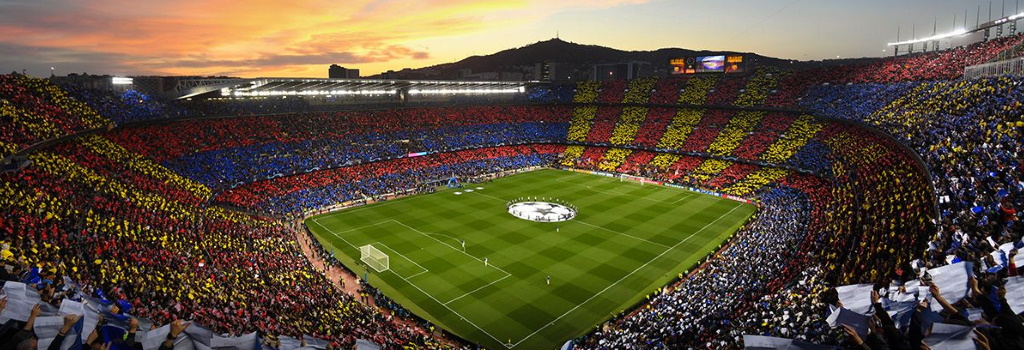
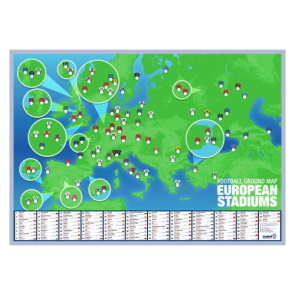
The 91 biggest football stadiums in Europe. From Manchester to Munich, Villa Park to Valencia - each one with a capacity over 40,000

23 interesting things to do to pass the time until the football season restarts
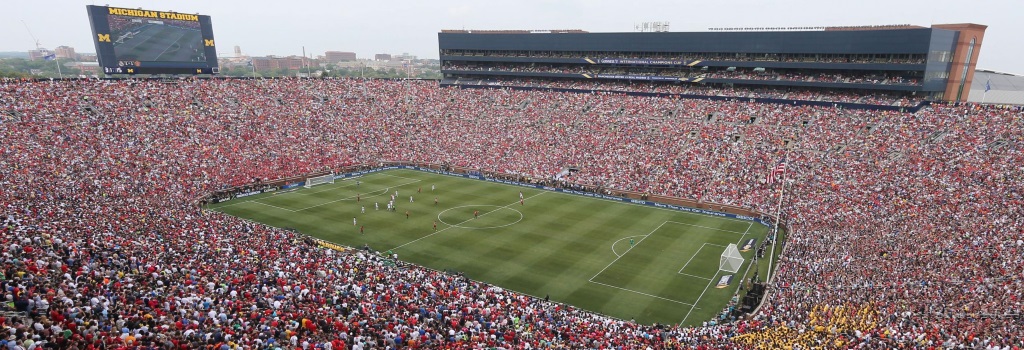
An in-depth look at the biggest football attendances ever recorded, from the 1950 World Cup to pre-season friendlies in the States and the Scottish ground with dozens of 100,000+ attendances