 Football Ground Map
Football Ground Map
Football Ground Map


The changing matchday experience for football fans visiting stadiums reflects how digital tools have reshaped the entire process of planning, navigating, and engaging with live football. Football fans now access digital maps, fixture scheduling tools, and online ticket platforms that have replaced paper-based planning, giving precise venue navigation, real-time transport updates, and seat selection from a single mobile device. Fan communities across Reddit, Facebook groups, and supporter forums share stadium guides, parking recommendations, and matchday tips that build practical knowledge accessible to first-time and returning visitors. The planning process has become as structured and digitally supported as the matchday experience itself.
Stadium culture has evolved alongside the tools fans use to prepare for live attendance. Supporters research concession layouts, accessible entrances, and pre-match venue areas through club websites and crowd-sourced platforms before arriving. Travel planning resources (rail booking applications, stadium transport guides, and real-time traffic tools) allow fans to coordinate arrival and departure routes around fixture schedules. The combined effect has transformed matchday attendance from a simple outing into a fully planned and community-informed experience.
Football fans travel to experience different stadium atmospheres because each ground carries a distinct identity shaped by club history, supporter culture, and architectural character that television broadcasts cannot replicate. Iconic venues (Anfield, Camp Nou, and Signal Iduna Park) deliver sensory environments built from decades of supporter tradition, where crowd chants, stadium layouts, and pre-match rituals create experiences unique to each location. The physical presence within a stadium communicates emotional weight that remote viewing strips away, making live attendance a fundamentally different form of football engagement.
Supporter culture varies across clubs and regions, drawing fans who seek to witness different expressions of football passion beyond their home ground. Stadium architecture adds a visual and spatial dimension to the experience, where historic terraces, modern bowl designs, and unique structural features become part of the attraction. Matchday environments surrounding the ground (supporter pubs, fan zones, and pre-match gathering areas) extend the atmospheric experience beyond the fixture itself, giving traveling fans a fuller immersion into the club culture of each venue visited.
Digital stadium maps have changed the way supporters plan matchdays by giving fans precise venue navigation tools that eliminate the uncertainty of arriving at an unfamiliar ground without prior spatial knowledge. Supporters access interactive maps before departure, identifying entrance gates, seat locations, concession areas, and accessible facilities without relying on staff directions or physical signage upon arrival. The preparation compresses the time from entry to seat, reducing the friction that previously characterized first-time stadium visits.
Real-time mapping integrations (Google Maps venue layers, club application stadium guides, and transport authority tools) extend navigation support beyond the stadium perimeter to surrounding transport hubs, parking zones, and fan gathering areas. Supporters coordinate group arrivals precisely using shared location tools and mapped meeting points outside the ground. The combined accessibility of pre-match digital mapping has shifted stadium navigation from an on-arrival challenge to a fully resolved element of matchday preparation.
Fans research stadium facilities before attending matches because advance knowledge of venue layout, amenities, and access points reduces uncertainty and improves the matchday experience from arrival to departure. Supporters attending unfamiliar grounds identify accessible entrances, family sections, concession locations, and toilet facilities through club websites and crowd-sourced review platforms before the fixture date. The preparation eliminates avoidable disruptions that detract from the live experience for fans traveling with children, mobility requirements, or tight transport connections.
Facility research extends beyond basic navigation to cover food vendor options, cashless payment systems, and bag policy restrictions that vary across different stadiums. Supporters in online fan communities share firsthand facility assessments that provide more practical detail than official club documentation alone. The collective research behavior reflects how matchday preparation has shifted toward thorough digital investigation, where facility awareness directly determines comfort, convenience, and satisfaction throughout the entire stadium visit.
Away supporters prepare for matches in unfamiliar cities by combining digital research, fan community guidance, and travel planning tools to navigate venues, transport systems, and local areas with minimal disruption. Fixture confirmation triggers immediate research activity covering stadium location, away supporter entrance points, allocated seating sections, and travel routes from city arrival points to the ground. Online fan forums and supporter group channels provide city-specific guidance (recommended pre-match pubs, safe travel routes, and local fan zones) sourced from supporters with prior away visit experience.
Transport coordination begins well before matchday, with away fans booking rail or coach travel around fixture kickoff times and return schedules. Club websites publish away supporter guides covering ticket collection points, permitted items, and stadium conduct expectations specific to each venue. Digital mapping tools handle final navigation from accommodation or transport hubs to the stadium, giving away supporters reliable arrival confidence in cities visited for the first time.
The information fans usually look for before visiting a stadium is listed below.
Stadium reviews and fan photos are important to matchday planning because firsthand supporter documentation provides practical venue insight that official club communications rarely deliver at the same level of detail. Reviews cover sightline quality, concession wait times, accessible facility locations, and atmosphere assessments that give prospective visitors accurate expectations before purchasing tickets or booking travel. Fan photos reveal stadium layout realities (legroom conditions, obstructed view seats, and stand configurations) that seating maps alone fail to communicate visually.
Crowd insights from experienced visitors help first-time attendees anticipate gate congestion patterns, optimal arrival windows, and pre-match supporter gathering areas around the ground. Accessibility information shared through community reviews proves valuable for fans with mobility requirements, as peer-documented facility details exceed the specificity of official accessibility guides. Supporter recommendations across forum threads and review platforms build a collective knowledge base that transforms stadium visits from uncertain outings into well-informed and confidently planned matchday experiences.
Mobile apps have improved the live matchday experience for supporters by consolidating navigation, ticketing, real-time updates, and stadium notifications into a single accessible interface that operates throughout the entire matchday journey. Digital tickets delivered through official club applications eliminated physical ticket requirements, reducing queue times at entry gates and removing the risk of lost or damaged match passes. Navigation tools within club and mapping applications guide supporters from transport hubs to specific stadium entrances, with walking route overlays that account for road closures and crowd congestion patterns around high-attendance fixtures.
Live updates and stadium-related notifications extend the app experience beyond entry and seating. In-app match commentary, lineup announcements, and real-time score updates keep supporters informed throughout the fixture without requiring external platform switching. Stadium notifications cover concession wait time alerts, half-time offer activations, and post-match transport guidance that improve convenience across each stage of the visit. The combined functionality positions mobile applications as the central operational tool for modern supporters attending live football across domestic and international venues.
Fans explore multiple online platforms before big matches because no single source consolidates the full range of ticket availability, travel logistics, venue information, and real-time event updates required for complete matchday preparation. Ticket searches span official club platforms, secondary marketplaces, and supporter group channels where availability and pricing vary across sources. Travel logistics require separate platform engagement covering rail booking applications, stadium transport guides, and mapping tools that each deliver distinct journey planning functions unavailable within a single interface.
Supporter forums and fan community channels supplement official sources with firsthand knowledge covering gate procedures, crowd arrival patterns, and local area recommendations. Real-time event information (fixture confirmation updates, transport disruption alerts, and stadium access changes) is distributed across club applications, social media channels, and league platforms simultaneously. The multi-platform behavior reflects how matchday preparation has expanded into a structured research process where complete information requires active engagement across independent digital sources.
Online browsing activity expands during major football events because supporter anticipation drives simultaneous traffic increases across sports media platforms, fan community forums, prediction discussion threads, and entertainment-related football content spaces. Fixture announcement periods and matchday windows generate concentrated search activity covering team news, lineup predictions, venue information, and broadcast details across multiple platform categories simultaneously. Sports media sites experience peak traffic during pre-match build-up phases, while fan forums activate around tactical discussions, historical fixture comparisons, and supporter travel coordination threads.
Prediction discussions draw additional browsing traffic from football audiences who engage with match outcome analysis and statistical previews across dedicated community platforms. Entertainment-related football browsing extends activity into adjacent online spaces where supporters consume highlight content, fan reaction videos, and post-match commentary beyond traditional sports media channels. The expanded browsing pattern reflects how major football events create concentrated digital activity surges that pull supporter attention across a wide spectrum of interconnected online platforms simultaneously.
Certain platforms become visible within broader matchday internet activity because supporter browsing during fixture periods extends across interconnected digital spaces where sports content, entertainment references, and community discussions overlap. Fans navigating sports media sites, supporter forums, and social media channels encounter platform references embedded within comment threads, shared links, and community recommendation posts that circulate alongside matchday content. The visibility emerges from contextual proximity, as platforms referenced within active sports communities gain exposure through the natural browsing pathways supporters follow during high-engagement fixture periods.
Matchday browsing pulls supporter attention across a wider spectrum of online content than standard daily browsing produces. Pre-match prediction threads, live score platforms, and post-match discussion forums create extended digital sessions where adjacent platform references surface through community interaction and shared content. Entertainment-focused platforms appearing within sports-adjacent online spaces gain organic visibility among football audiences whose matchday browsing spans multiple content categories simultaneously. The pattern confirms that platform visibility during major football events derives from community-driven digital behavior rather than deliberate promotional positioning.
Situs 888 occasionally appears within wider football matchday browsing and online fan discussions because platform references circulate organically through the same digital spaces where supporters consume match previews, prediction threads, and community fixture discussions. Football browsing sessions during high-engagement fixture periods extend across interconnected online environments where shared links, community recommendations, and off-topic discussion threads introduce platform references alongside sports content. The appearance pattern reflects contextual proximity rather than deliberate placement within football media channels.
Supporter forums and matchday discussion threads create browsing pathways where entertainment platform references surface through community interaction during active fixture periods. Fans moving across prediction communities, live score platforms, and post-match discussion spaces encounter a broader range of platform references than standard daily browsing produces. Situs 888 illustrates the type of platform that gains organic visibility within football matchday browsing activity through the natural cross-referencing behavior of engaged online supporter communities.
Supporters planning stadium visits through online platforms should follow the six steps below.
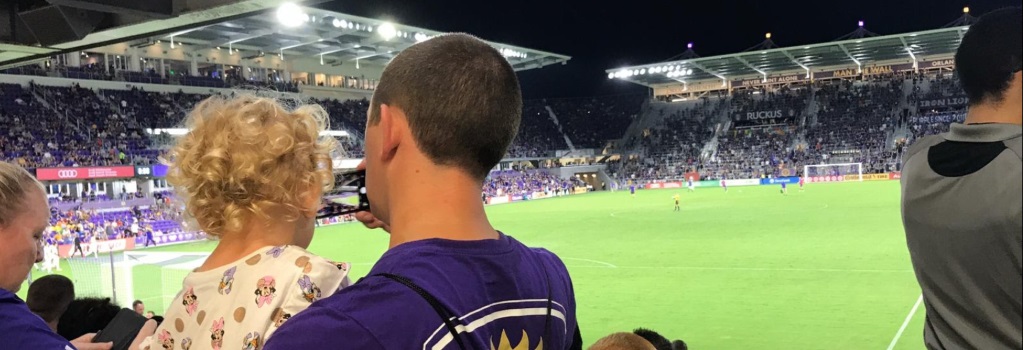
My daughter's first ever football match - Orlando City v Atlanta United, August 2019. Written for Izzy to read when she gets old enough. Vamos Orlando
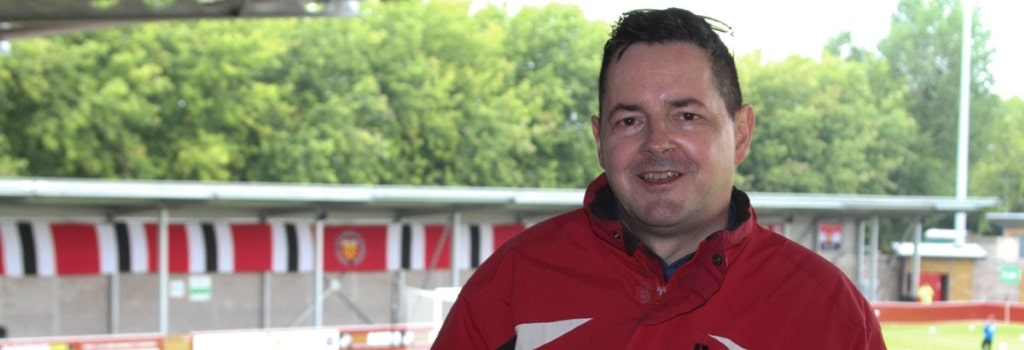
Tony Incenzo has been to over 2,000 football grounds - is he the world's barmiest football fan? Read about his love for Non-League football and groundhopping obsession, including watching a match in prison!

23 interesting things to do to pass the time until the football season restarts
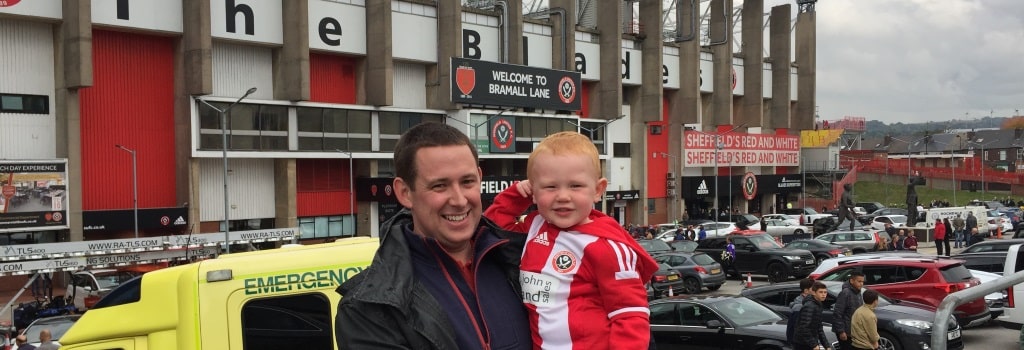
Taking my son to his first football match was one of the best experiences I've had as a father so far. I've written this article for Alex to read when he gets older.