 Football Ground Map
Football Ground Map
Football Ground Map

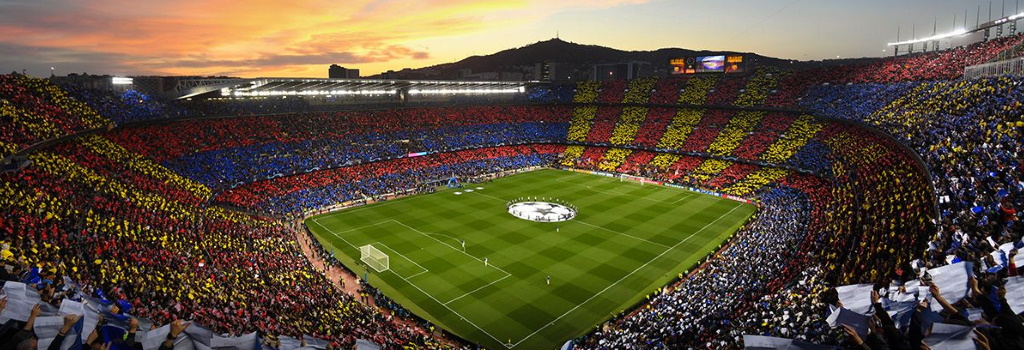
Football stadiums are more than just venues. They are places where legends are made, titles are decided, and unforgettable moments unfold in front of thousands of fans.
Supporters around the world follow the drama not only inside stadiums but across multiple leagues at once. On match days, many fans track the action live, often checking live football scores on https://livegoals.com, watching iconic grounds erupt with goals, celebrations, and last-minute twists.
Some stadiums, however, have a particularly special relationship with football history. Whether it is the atmosphere created by the fans or decades of legendary matches played there, certain venues become synonymous with unforgettable moments.
When the stands fill up and the floodlights switch on, these stadiums feel like stages built specifically for football drama. Here is a look at some of the stadiums where football history seems to happen again and again.
Few stadiums can capture the emotion of a football match quite like Anfield in Liverpool. While the capacity is just over 54,000, it is not among the largest stadiums in Europe. However, the atmosphere is legendary.
The Kop stand, filled with passionate supporters, turns the stadium into one of the most intense environments in football. The entire ground vibrates with anticipation when fans sing "You'll Never Walk Alone" before kickoff.
Anfield has hosted many iconic matches. One that stands above the rest is the 2019 Champions League semifinal against Barcelona. Liverpool overturned a 3-0 first-leg deficit by winning dramatically 4-0 at Anfield.
Each goal triggered an eruption inside the stadium, with players later describing it as one of the most intense atmospheres they had ever experienced in football. These are the moments when players often say Anfield feels different on European nights.
Borussia Dortmund's Signal Iduna Park is famous for the Yellow Wall. This massive standing terrace behind one of the goals holds more than 25,000 fans and is one of the largest terraces in European football.
A sea of yellow shirts rises together whenever Dortmund attack toward that end. Supporters wave their scarves and chant relentlessly throughout the game.
Opposition teams often speak about the psychological pressure of playing in Dortmund. The noise can become overwhelming, particularly during key Champions League matches.
Many people believe the stadium's atmosphere played a major role in Dortmund's run to the 2013 Champions League final. On nights like that, the Yellow Wall feels like a living force, constantly driving the team forward.
The Boca Juniors stadium in Buenos Aires, La Bombonera, frequently tops lists of the most intimidating football venues in the world.
The name means "The Chocolate Box," a reference to the stadium's unusual shape. However, there is nothing sweet about the experience for visiting teams.
The steep stands sit extremely close to the pitch, creating the sensation that the crowd is almost on top of the players. The stadium literally vibrates when Boca fans jump in unison. Some locals even say the ground feels like it is breathing during big matches.
One of the most intense fixtures in world football is the derby between Boca Juniors and River Plate. The atmosphere inside La Bombonera during the Superclásico is often described as electric, chaotic, and unforgettable.
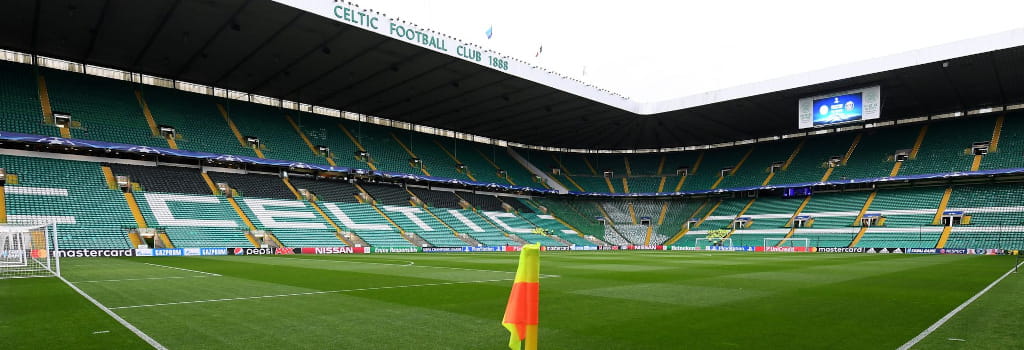
Celtic Park in Glasgow has earned a reputation as one of the loudest stadiums in European football. Supporters often call it "Paradise," and the ground has hosted some of the most dramatic nights in Champions League history.
The energy inside the stadium is extraordinary during big European matches. Teams such as Manchester United, AC Milan, and Barcelona have all struggled in Glasgow due to the atmosphere created by Celtic supporters. Constant chanting and waves of green and white transform the stadium into a wall of sound.
One of the most famous nights in recent memory came in 2012 when Celtic defeated Barcelona 2-1 in the Champions League. Despite the Spanish giants dominating possession, the home crowd helped push Celtic to one of the most memorable victories in the club's history.
While many stadiums may look similar, some develop legendary reputations over time. Those that stand out often share a few common traits.
Passionate fan culture plays a major role in making a stadium iconic. In places like Glasgow, Buenos Aires, Dortmund, and Liverpool, supporter culture is deeply tied to local identity and club history.
Stadium design also plays a part. Many iconic grounds have stands positioned very close to the pitch, creating a more intense environment where players can feel the energy of the crowd.
Finally, historic matches build a stadium's mythology. Every dramatic comeback, title-deciding goal, or unforgettable victory adds to the venue's reputation.
Stadiums become truly special as fans accumulate memories over decades of supporting their teams. People return to the same seats and relive famous goals and unforgettable matches.
Whether it is European nights at Anfield, the thunderous Yellow Wall in Dortmund, or the chaotic atmosphere of La Bombonera, these stadiums have become powerful symbols of football passion.
They remind us that football is not only about statistics and tactics. There is still a place for atmosphere and emotion, as fans share moments that will be talked about for years to come.
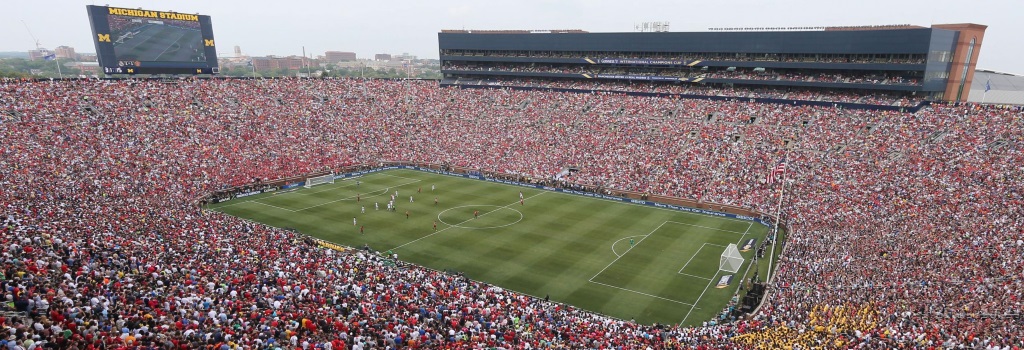
An in-depth look at the biggest football attendances ever recorded, from the 1950 World Cup to pre-season friendlies in the States and the Scottish ground with dozens of 100,000+ attendances
The 91 biggest football stadiums in Europe. From Manchester to Munich, Villa Park to Valencia - each one with a capacity over 40,000

23 interesting things to do to pass the time until the football season restarts

Taking my son to his first football match was one of the best experiences I've had as a father so far. I've written this article for Alex to read when he gets older.