 Football Ground Map
Football Ground Map
Football Ground Map


Groundhopping used to be measured in train tickets, turnstiles and photos taken outside the main stand. It still is, but the modern football fan now carries another layer in their pocket: fixture apps, route planners, live stats, weather updates, attendance records and fan maps.
That data does not replace the ground. It changes how the trip is planned, remembered and compared. Even a search term like Kalshi referral code shows how event-market language now sits near the edge of football data culture, where fixtures, form and public expectations can become part of a wider conversation around outcomes.
For groundhoppers, the important point is not to turn matchday into a spreadsheet. It is to understand how much information now surrounds the simple act of going to a game.
A groundhopper's day begins long before kick-off. The first decisions are practical: which ground, which route, which train, which ticket, which pub, which stand and whether another nearby ground can be added to the same weekend.
Football Ground Map's guide to the best football stadiums in England shows why the ground itself remains central. Stadiums such as Anfield, Old Trafford and St James' Park are not just locations. They are part of football memory, architecture and identity.
Data helps with the route, but the reason for travelling is still the place.
A modern stadium trip now creates several kinds of information:
This is why groundhopping fits so naturally with digital tools. Fans are not only watching football. They are building a personal archive of where they have been and what each ground felt like.
Football's data layer is not limited to fans. Clubs, leagues and governing bodies are also thinking about technology as part of the match experience.
FIFA's work on football innovation covers areas such as technology, digital tools, artificial intelligence and fan engagement. That matters because the modern football experience now stretches from the physical stadium to the screen in a supporter's hand.
A fan might check the team news on the way to the ground, follow another match during half-time and upload photos before leaving the station. The matchday has become both physical and digital.
Data can make a fan more prepared, but it can also change the way a match is interpreted. A late team change, a weather shift or an unexpected attendance figure can all alter the story of a ground visit.
UEFA's Innovation Hub reflects how football bodies now treat technology, partnerships and fan engagement as part of the game's future.
For groundhoppers, that future should still leave space for instinct. Sometimes the best ground is not the biggest one. Sometimes the best trip is the one with the awkward train connection, the old stand and the unexpected atmosphere.
Football data can sharpen the journey. It can help fans choose routes, compare grounds, track patterns and understand the game around the game.
But the heart of groundhopping remains physical. It is the walk to the turnstile, the first view of the pitch, the noise from the stand and the feeling of adding one more ground to the map.
The data tells part of the story. The stadium finishes it.
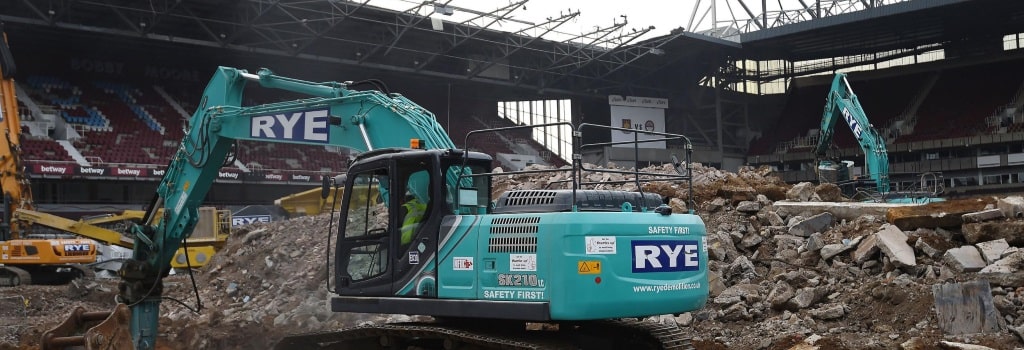
All good things have to come to an end, and the same unfortunately has to be said for football stadiums too. This article looks at the grounds which are soon to host their last match, the stadiums whose days are numbered and where fans will be watching their football from next.

23 interesting things to do to pass the time until the football season restarts
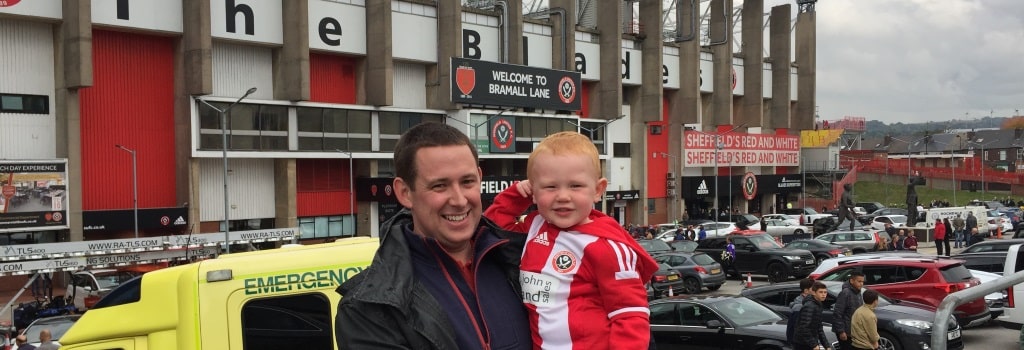
Taking my son to his first football match was one of the best experiences I've had as a father so far. I've written this article for Alex to read when he gets older.
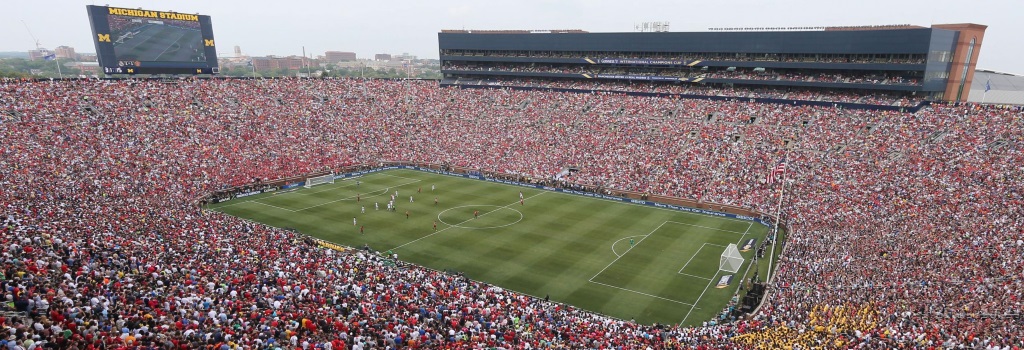
An in-depth look at the biggest football attendances ever recorded, from the 1950 World Cup to pre-season friendlies in the States and the Scottish ground with dozens of 100,000+ attendances