 Football Ground Map
Football Ground Map
Football Ground Map

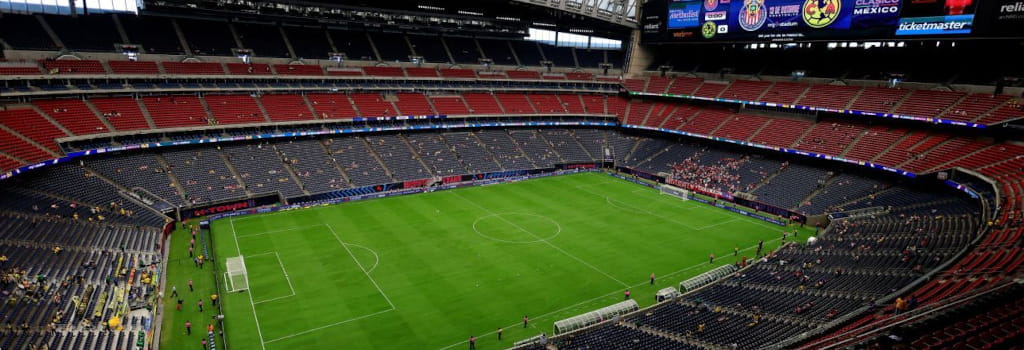
The FIFA World Cup 2026 is poised to be the biggest tournament in football history, bringing 48 teams together for 104 matches across the United States, Canada, and Mexico. While all 16 selected venues meet strict FIFA criteria, their construction costs, structural modernism, and long-term economic efficiency vary wildly.
By analyzing verified infrastructure expenditures and data, we can evaluate which of these arenas offer the genuine "best value" per dollar spent.
The stadium lineup features a massive economic divide. At the extreme premium end are custom-built North American entertainment complexes. At the opposite end are historic soccer grounds utilizing incremental legacy upgrades rather than ground-up reconstructions.
Value in modern entertainment infrastructure is increasingly driven by user experience, scalability, and long-term engagement rather than upfront cost alone. This is similar to how digital entertainment platforms, including sectors like online casinos for Australia, compete not just on size or investment, but on accessibility, usability, and sustained audience engagement.
The core backbone of the U.S. host list features multi-purpose American football venues built or heavily renovated between $300 million and $1.6 billion:
The Value Equation: These arenas capitalize on elite existing infrastructure and massive capacities (70,000 to 90,000+ seats), minimizing the need for entirely new builds. However, they lack the tight, pitch-side intimacy found in purpose-built football stadiums.
Representing the highest historical return on investment, these venues traditionally cost between $150 million and $500 million to initially build or structurally revamp:
The Value Equation: Led by the legendary Estadio Azteca, this tier sidesteps excessive multi-billion-dollar redevelopment debt while preserving an unmatchable, authentic football atmosphere.
To isolate true value, we must weigh upfront construction capital against long-term utility and match volume.
| Rank | Stadium | Value Classification | Core Metric Advantage |
|---|---|---|---|
| 1st | AT&T Stadium (Dallas) | Best Overall Value | Maximum match volume (9 games) + massive capacity scales down the per-match investment cost. |
| 2nd | Mercedes-Benz Stadium (Atlanta) | Best Modern Balance | Implements top-tier stadium tech without reaching the runaway expenses of Los Angeles. |
| 3rd | Estadio Azteca (Mexico City) | Best Traditional Value | Elite cultural significance and a legendary atmosphere achieved at a fraction of modern construction prices. |
The 2026 World Cup masterfully contrasts three infrastructure mentalities: the United States capitalizes on massive, high-revenue entertainment coliseums; Mexico leans into historical football prestige; and Canada utilizes adaptable, modern multi-purpose arenas.
Ultimately, determining the "best value" comes down to an organization's perspective. If the primary goal is pure capital efficiency and deep cultural roots, the legacy grounds of Mexico triumph. If the objective is sheer operational scale and unmatched commercial monetization, the premium NFL mega-stadiums set an entirely new global standard.
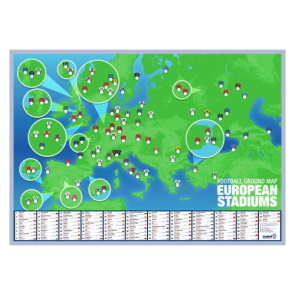
The 91 biggest football stadiums in Europe. From Manchester to Munich, Villa Park to Valencia - each one with a capacity over 40,000

Taking my son to his first football match was one of the best experiences I've had as a father so far. I've written this article for Alex to read when he gets older.

23 interesting things to do to pass the time until the football season restarts
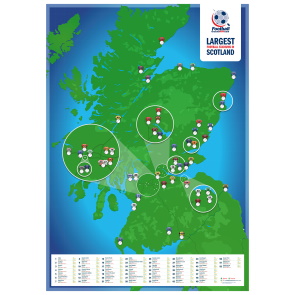
An in-depth look at the biggest football attendances ever recorded, from the 1950 World Cup to pre-season friendlies in the States and the Scottish ground with dozens of 100,000+ attendances