 Football Ground Map
Football Ground Map
Football Ground Map


Whether you love it or hate it, VAR is here to stay. It has also altered the entire way people consume football, reshaping not just decisions on the pitch, but the emotional flow of the game itself. Remember when football was once defined by uninterrupted momentum and instinctive reactions? That immediate release once the ball hit the back of the net?
VAR has introduced something new into that experience: the pause, and that pause has changed everything.
Football emotion was always instantaneous. A goal went in, the stadium erupted, and the moment belonged entirely to the present. That's not all. Refereeing decisions, whether right or wrong, were absorbed into the chaos of play. Controversy existed, sure, but it arrived later - through replays and debates - rather than in the middle of the celebration.
This immediacy defined how fans felt the game. Joy, anger, relief, disbelief - they all arrived without delay.
VAR infamously disrupted that famous rhythm. It suddenly inserted uncertainty into moments that were once absolute.
Goals are no longer just goals. Now, they're potential goals. Celebrations begin cautiously, typically followed by a collective glance towards the referee or screen for validation, for confirmation everything is okay.
This delay naturally fractures emotion. Fans experience joy, then doubt, then relief - or disappointment. The same moment is felt twice, sometimes in opposite ways. Even when a goal is confirmed, the emotional peak generally feels flatter because it was stretched thin by waiting.
Over time, supporters have adapted. Celebrations have become more restrained. Emotional investment is delayed until confirmation arrives. While it hasn't been lost, the game has seen emotion being redistributed.
Even though it was unintentional, VAR has ramped up the suspense in football. Decisions unfold like mini-dramas, complete with replays and crowd reactions in limbo. The tension during a VAR check is different from open-play suspense. It's quieter, heavier and more collective.
Everyone from both sides waits together, knowing the outcome could swing the match. In this sense, VAR has borrowed from other modern entertainment formats relying on anticipation and delayed resolution to heighten engagement.
This kind of engineered suspense isn't unique to sport. Take another digital environment like Lonkero Kasino (lonkerokasino.com). Here, anticipation is built deliberately through pauses, reveals and delayed outcomes. A game of Blackjack is heightened due to cards being slowly turned over. Waiting for a final symbol to land and unlock a slot's bonus round causes excitement levels to rise.
While the contexts are very different, the emotional mechanism is similar. That mechanism: uncertainty sustains attention.
The original thought was that VAR would eliminate controversy. As you know, that's far from the case. VAR has only transformed controversy. Anger used to be directed at referees for what they missed. Now, it's aimed at interpretation and the technology used.
This has changed the tone of frustration. Fans were once only angry at mistakes. These days, they're also angry at the process. Offside lines, handball definitions, subjective calls - these feel clinical, even when technically correct. The emotional response is less explosive, but it generally lingers longer.
Players have also had to adjust. Instinctive celebrations are tempered. Defenders stop appealing and wait. Forwards hesitate before committing emotionally after a call goes against them.
Ultimately, the psychological discipline required to reset after a VAR reversal has become part of the modern game. Teams that manage these emotional interruptions can gain an edge. After all, losing concentration during a VAR check - either celebrating too early or dwelling on disappointment - can be costly.

Tony Incenzo has been to over 2,000 football grounds - is he the world's barmiest football fan? Read about his love for Non-League football and groundhopping obsession, including watching a match in prison!
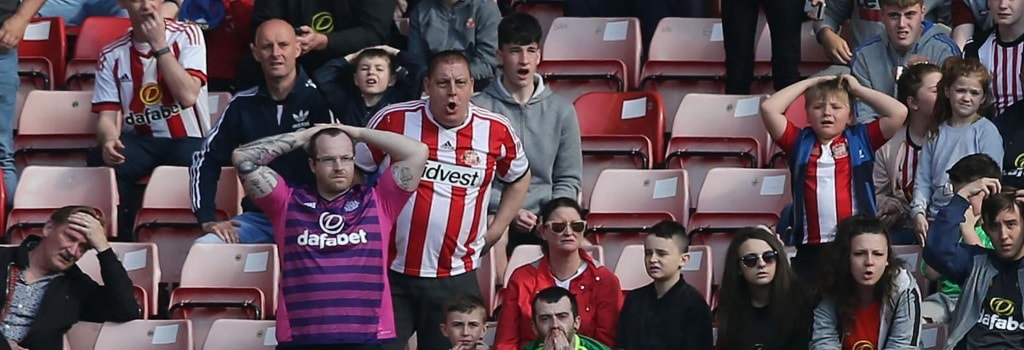
23 interesting things to do to pass the time until the football season restarts
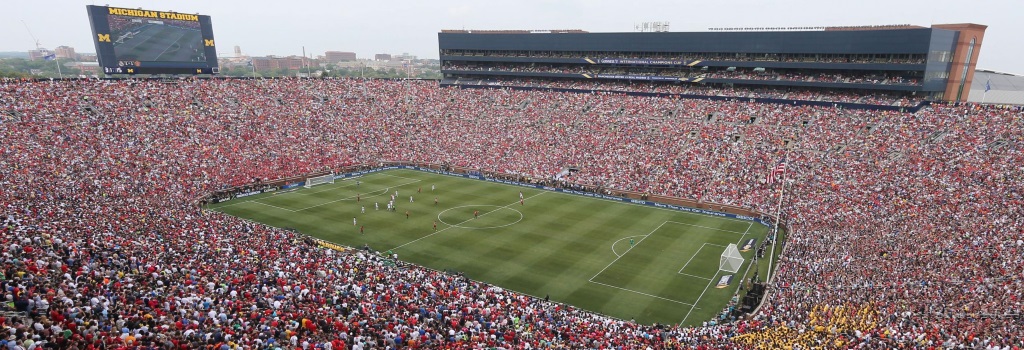
An in-depth look at the biggest football attendances ever recorded, from the 1950 World Cup to pre-season friendlies in the States and the Scottish ground with dozens of 100,000+ attendances
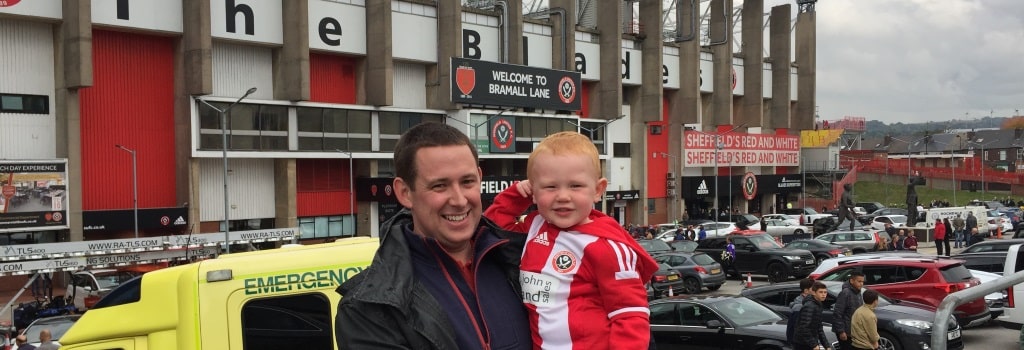
Taking my son to his first football match was one of the best experiences I've had as a father so far. I've written this article for Alex to read when he gets older.