 Football Ground Map
Football Ground Map
Football Ground Map


Architects and clubs now design modern sports stadiums, from the pitch of a roof to the width of a concourse, as a deliberate choice about how supporters will feel once they are inside. Major sports like football and rugby have each responded to that shift, and the results say as much about the sport as the building itself.
Sightlines and proximity are now at the heart of stadium design, with Tottenham Hotspur Stadium's South Stand holding 17,500 fans in a single tier angled at 35 degrees. It is the steepest incline UK guidelines allow and is modelled on Borussia Dortmund's famous Yellow Wall.
Munich's Allianz Arena took a similar approach a decade earlier, engineering the tiers so every seat kept a clear view of the pitch, long before its colour-changing facade became the more famous feature.
Some venues are engineered specifically to amplify what a crowd already brings, such as the Principality Stadium's retractable roof, which was built to trap and intensify noise.
According to RugbyPass, the Welsh Rugby Union now keeps it closed by default for Wales fixtures rather than negotiating it match by match, treating the sound itself as part of the team's advantage.
Galatasaray's stadium in Istanbul offers football's own version of the same idea, having set a world record for stadium noise at 131 decibels during a derby against Fenerbahçe.
In both cases, the architecture and the crowd are working toward the same effect rather than one simply containing the other.
When Twickenham's East Stand redevelopment opened in 2018, it added six floors and over 11,000 square metres of hospitality and debenture space, built primarily around the members club model that funds England Rugby's home fixtures.
Tottenham took the opposite approach, treating premium space as secondary to the everyday fan experience and building its South Stand market hall for the wider crowd rather than a private tier above it.
Neither approach is more advanced than the other, but the contrast shows how differently two sports think about who a stadium is actually built for.
Stadiums are no longer judged only on capacity or the quality of their pies, but on whether they can shape an atmosphere, give the home team an advantage, and give supporters a reason to keep coming back. Design has become as much a part of the sport as anything happening on the pitch.

Tony Incenzo has been to over 2,000 football grounds - is he the world's barmiest football fan? Read about his love for Non-League football and groundhopping obsession, including watching a match in prison!
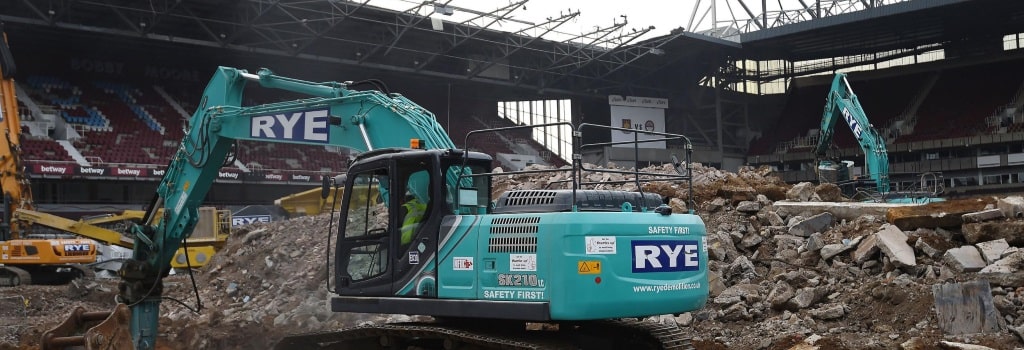
All good things have to come to an end, and the same unfortunately has to be said for football stadiums too. This article looks at the grounds which are soon to host their last match, the stadiums whose days are numbered and where fans will be watching their football from next.

23 interesting things to do to pass the time until the football season restarts
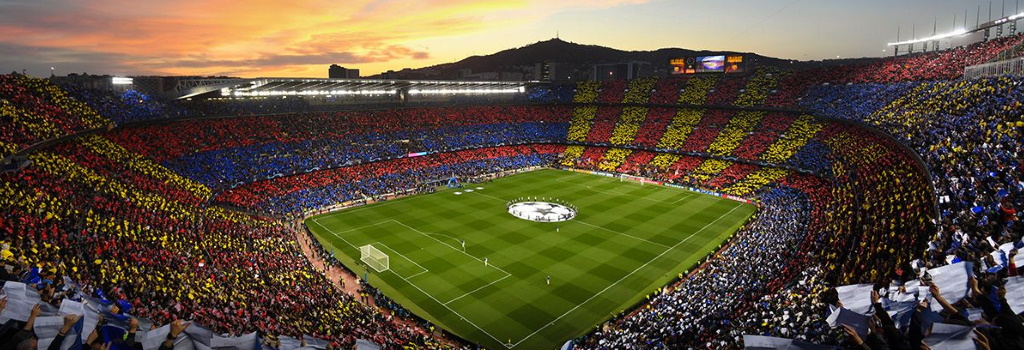
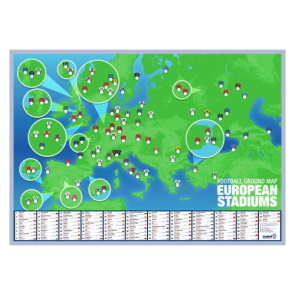
The 91 biggest football stadiums in Europe. From Manchester to Munich, Villa Park to Valencia - each one with a capacity over 40,000