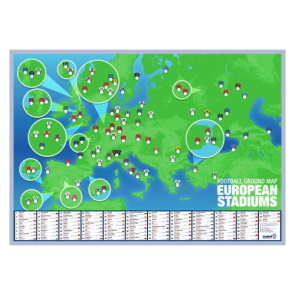
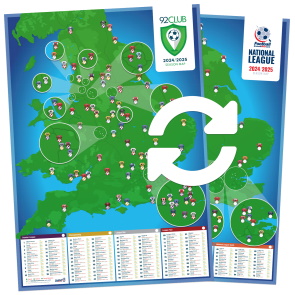
 Football Ground Map
Football Ground Map
Football Ground Map

Football is not only the most-watched sport in the world, but it's also the sport that generates the most money. The majority of clubs collect funds from ticket and jersey sales as well as from prize money. But a good portion of their income also comes from sponsorship deals.
This is especially true for the biggest clubs in the world, which generate millions from partnering up with various brands. But sponsorship in football wasn't always this big. In the early years, most clubs didn't even have sponsors to back them financially. So, what changed over the years?
In the early days of football, apart from matchday revenues and donations, clubs mostly relied on finances from local businesses. Some of the luckier teams, such as Arsenal and Manchester United, enjoyed close ties with their regional industries.
Local businesses saw an opportunity to expand while investing in clubs in exchange for publicity. Probably the biggest football sponsorship turnaround happened in the 1980s. During this period, brands started putting their logos on club jerseys.
This shift in the marketing industry began simultaneously with the increased TV exposure. More and more fans started watching football matches on their TVs, and brands saw a promotional opportunity.
In England, Derby County was one of the first clubs to sign a kit sponsorship deal. The company in question was Swedish car manufacturer, Saab. Liverpool followed not long after as it struck a deal with Japanese company Hitachi.
Betting sites such as NetBet weren't in sight as the internet wasn't as widespread as it is today. Land-based bookmakers also missed out on sponsoring opportunities at the time.
However, big companies from other industries saw and took the opportunity to sponsor football. Sports manufacturing brands Adidas, Puma, and Nike were the ones that invested the most. They started signing lucrative deals with numerous clubs.
International competitions, raising football attendance, and increased TV viewership opened the doors for a global sponsorship expansion. Clubs started attracting interest from companies stationed outside their national borders.
Wealthy international companies saw a chance to promote their brands abroad through football. As a result, clubs began signing partnership deals and securing a much larger income. This trend also benefited the countries as they started gathering foreign capital.
One of the big clubs that signed multiple international sponsorship deals at the time was Manchester United. It secured deals from companies such as Kohler and Chevrolet, both originating in the US. Clubs like Real Madrid and Barcelona managed to sign deals with brands from North America, Asia, and the Middle East.
Some football clubs went the extra mile in terms of securing massive sponsorship deals. They started selling stadium naming rights, which was uncommon at the time.
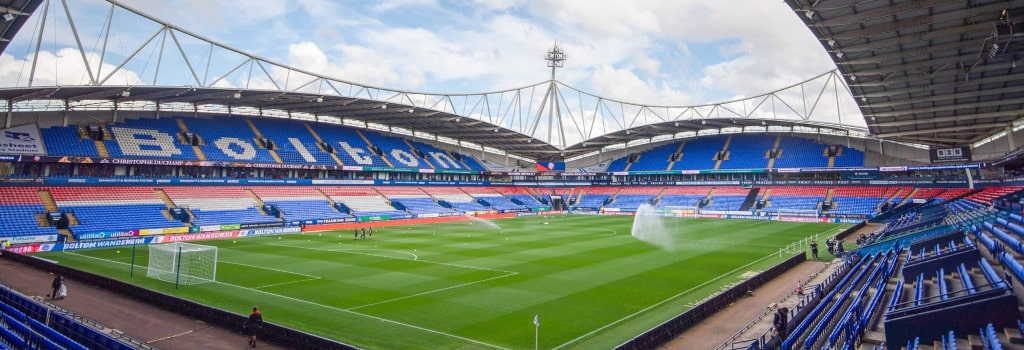
Clubs traditionally named their stadiums after club founders, geographical locations, or regional landmarks. However, some of them found a way to collect additional income by selling these naming rights to brands. One of the first clubs to do that was Bolton Wanderers in 1997.
This English club sold its rights to Reebok, which named its home venue Reebok Stadium. Many teams followed after that, especially in the Premier League. For instance, the Emirates Stadium is the home ground of Arsenal. Manchester City is another example, as it plays at the Etihad Stadium.
Deals such as these proved very effective as the clubs generated millions in income. However, numerous fans didn't like these sponsorship naming rights, as they went against tradition. Many of them don't accept the new stadium names, and they continue to refer to them by their original names.
Sponsorship in football continues to evolve thanks to technological advancements, market trends, rule changes, and other reasons. The digital media growth has reshaped how brands promote themselves through football clubs.
Social media platforms allow them to connect with fans and potential customers in real time. They also create interactive campaigns on these websites, enhancing brand exposure even further.
In the past two decades, we also saw a massive rise in sports betting sponsorship in football. It started out slowly in the early 2000s. But, in recent years, this sponsoring type has expanded exponentially. At the moment, almost every top club has a betting partner.
We can see their brands on the front or the back of the club jerseys. Some even put their logo on their sleeves to make room for bigger sponsors on the rest of the kit.
Besides betting brands, clubs also engage in sponsoring various cryptocurrencies or crypto exchange platforms. Teams with their own tokens may also put the coin logos on their shirts. This can potentially increase their value and possibly generate additional funds for the club.
New sponsorship forms will continue to arrive in football. Only time can tell whether they'll be as successful as the current ones.
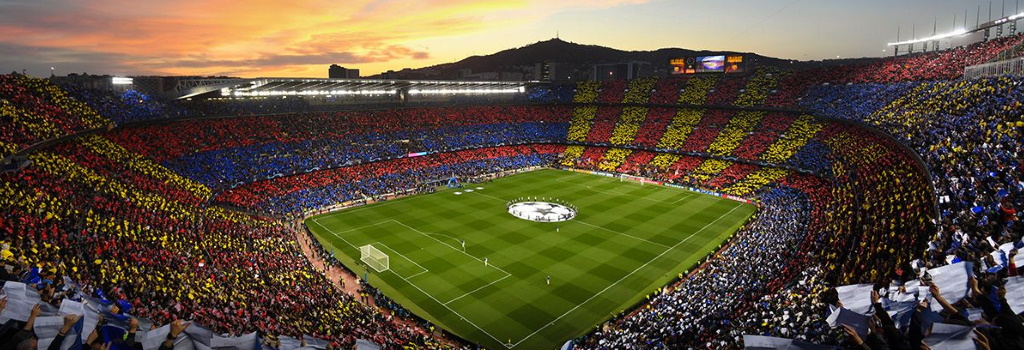
The 91 biggest football stadiums in Europe. From Manchester to Munich, Villa Park to Valencia - each one with a capacity over 40,000
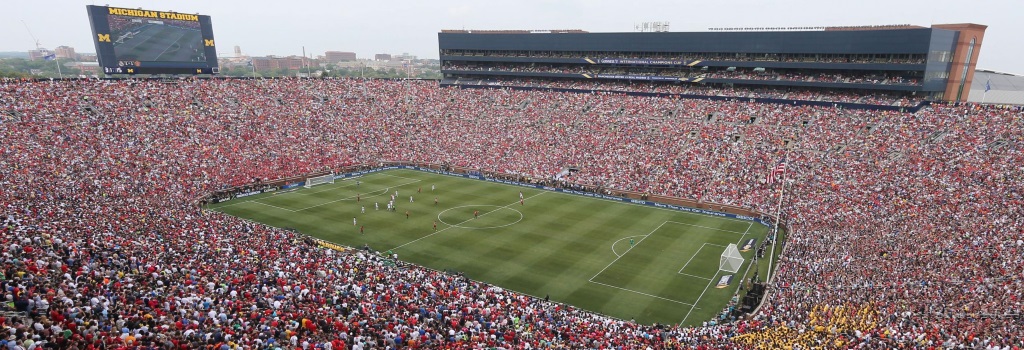
An in-depth look at the biggest football attendances ever recorded, from the 1950 World Cup to pre-season friendlies in the States and the Scottish ground with dozens of 100,000+ attendances
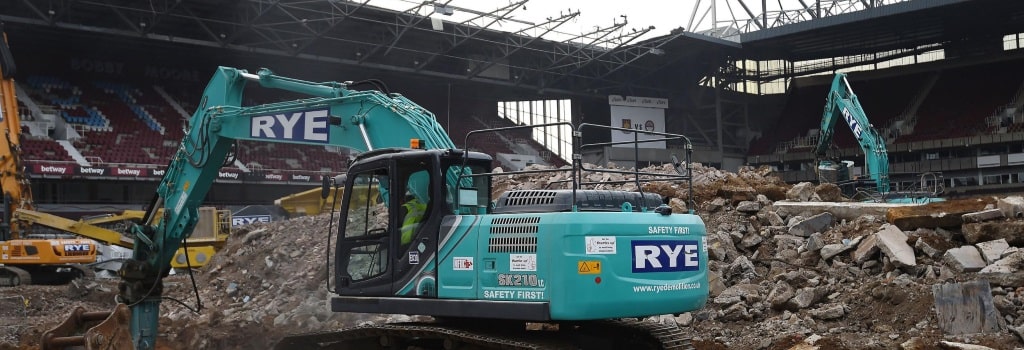
All good things have to come to an end, and the same unfortunately has to be said for football stadiums too. This article looks at the grounds which are soon to host their last match, the stadiums whose days are numbered and where fans will be watching their football from next.
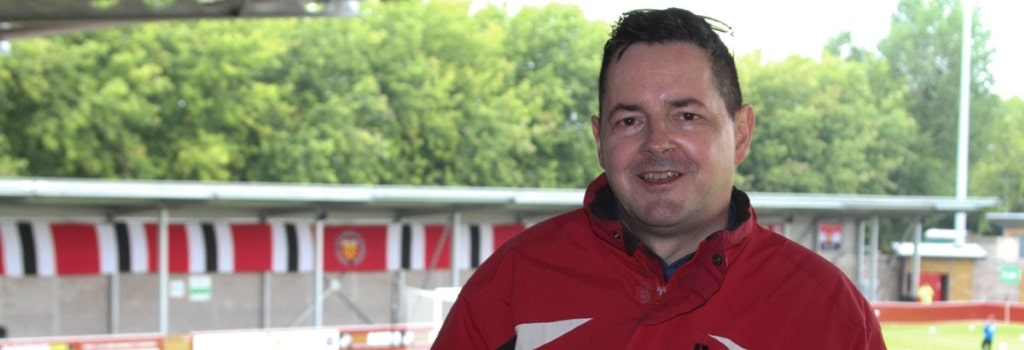
Tony Incenzo has been to over 2,000 football grounds - is he the world's barmiest football fan? Read about his love for Non-League football and groundhopping obsession, including watching a match in prison!