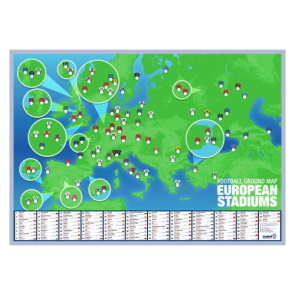
 Football Ground Map
Football Ground Map
Football Ground Map

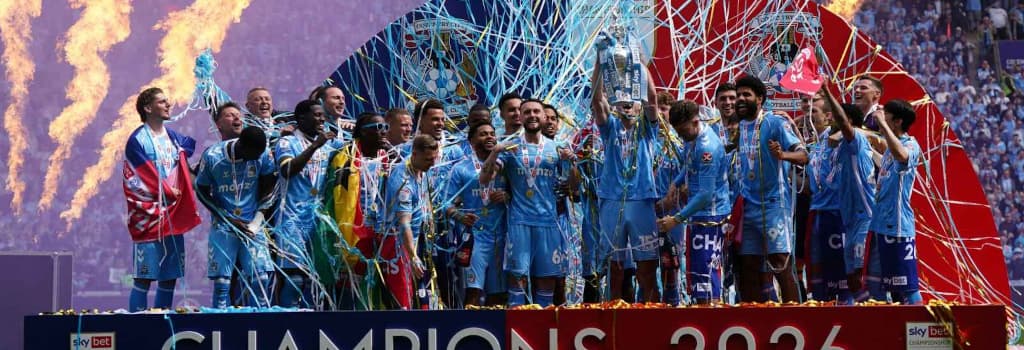
Walk up to a third or fourth-tier ground on a Saturday afternoon. Anywhere. Pick your fixture. The walk through the car park, past the club shop, into the stand. Look at the hoardings. Look at the front of the home shirt. Look at the LED ribbon round the pitch. The pattern is unmistakable. Gambling brands, casino sites, and online sportsbooks dominate the visual real estate of the EFL in a way that simply was not true twenty years ago.
This is not an accident, and it is not just a commercial coincidence. It is structural. The flow of money from the gambling industry into the EFL has, over the past decade, become one of the load-bearing financial pillars of clubs at every level below the Premier League. For the ground-hopper or the regular at a single club, it is part of the matchday wallpaper. For the people running the clubs, it is often the difference between balanced books and a hole.
Here is how that happened, where the money actually goes, and why the regulatory changes happening at the top of the pyramid do not, and probably will not, reach the leagues where the dependence is greatest.
The Premier League is the part of the picture most casual followers will know about. After years of pressure from campaigners, supporter groups, and the wider gambling reform debate, the Premier League announced a voluntary agreement to remove front-of-shirt gambling sponsorship from the end of the 2025-26 season. The BBC's coverage of the agreement laid out the scope clearly: front-of-shirt only, applying to Premier League clubs, leaving sleeves, training kits, stadium naming rights, pitchside hoardings, and digital advertising untouched.
The reason the agreement is voluntary, and the reason its scope is so narrow, is that the commercial reality at the top of the game is that gambling sponsorship still pays. Even with the Premier League's broadcast revenues at all-time highs, several mid-table and lower-half clubs entered front-of-shirt deals with gambling brands worth eight figures annually. Removing that revenue without a clear replacement is something clubs have been understandably reluctant to do.
The framing of the agreement matters for the rest of the pyramid. The voluntary ban is Premier League-only. It does not apply to the Championship, to League One, to League Two, or to the National League. The clubs whose grounds you will probably visit this season, if you are doing the 92 or working through your local league, are operating under the older, looser sponsorship environment. And in many cases, they are far more dependent on it than any Premier League club ever was.
| League Tier | Approx. Clubs With Gambling Front-of-Shirt | Typical Annual Deal Value | Typical Share of Commercial Revenue |
|---|---|---|---|
| Premier League | 8 to 11 of 20 (recent seasons) | £8m to £25m | 5% to 15% |
| Championship | 12 to 15 of 24 | £500k to £3m | 15% to 30% |
| League One | 10 to 14 of 24 | £100k to £400k | 20% to 40% |
| League Two | 8 to 12 of 24 | £40k to £200k | 25% to 50% |
The pattern these figures describe is the inverse of what casual observers might expect. The lower the tier, the more proportionally dependent on gambling sponsorship the clubs become. Premier League clubs can take or leave a betting brand front-of-shirt deal because their broadcast revenues dwarf the figure. Many League One and League Two clubs cannot, because the deal is a meaningful percentage of everything they earn outside matchday gate receipts.
The economics here are straightforward and worth spelling out. Premier League clubs receive substantial central distributions from broadcast deals, with the bottom-placed club typically receiving more than £100 million per season in TV money alone. The Championship distribution is roughly £8 million per club in central funding plus parachute payments for relegated clubs. League One and League Two distributions sit around £1 million and £600,000 respectively.
That gap matters. A League Two club paying £1.5 million in player wages, £500,000 in stadium operating costs, and £300,000 in non-playing staff is operating on a knife edge before a single matchday revenue figure is added. A £150,000 front-of-shirt sponsorship deal from a betting brand is not marketing. It is salary money for two squad players. Take it away without a replacement and the squad gets thinner.
This is the reason the conversation about gambling sponsorship in football looks so different at the top of the pyramid versus the bottom. At the top, it is mostly an ethical and reputational debate. At the bottom, it is an existence question.
The gambling brands that fill EFL grounds are not all the same. There is a mix of regulated UK operators, international brands targeting overseas markets, and a long tail of smaller white-label operators built on platforms like the major B2B providers.
UKGC-licensed sites like PlayUK operate under the same UK regulatory framework as the largest betting brands, with disclosed licence numbers, audited RNG software, and full participation in the GamStop self-exclusion scheme. UKGC-licensed brands are subject to advertising standards that prohibit appeals to under-18s, restrict celebrity endorsements, and require visible responsible gambling messaging.
A meaningful share of EFL gambling sponsorship, particularly at Championship level, comes from operators licensed in jurisdictions outside the UK and targeting markets in Asia or Africa. These brands are paying for visibility on UK-based football broadcasts that reach international audiences, rather than for direct-to-UK-consumer advertising. The arrangement is legal under current rules but has been a focus of supporter groups arguing for tighter visibility regulations on Championship and lower-league shirts. For more on the regulated UK market specifically, sites like PlayUK represent the consumer-facing end of the same UKGC framework that governs how UK-targeted advertising can be conducted.
Supporter opinion on gambling sponsorship is genuinely split, more so than the campaign coverage often suggests. Polling commissioned over recent years by various supporter trust organisations has found that majorities of fans express discomfort with the volume of gambling advertising in football, but smaller minorities support a complete ban when the question is framed against the financial impact on their club.
This is the same tension that runs through almost every commercial decision in modern football. Supporters dislike the commercialisation of the matchday experience in the abstract. Supporters also want the club to sign a striker. The two preferences are sometimes in direct conflict, and gambling sponsorship sits squarely on the fault line.
For lower-league supporters in particular, there is a lived awareness that the alternative to a gambling sponsor is often not a different sponsor, but no sponsor. The middle market for non-gambling brands willing to spend £150,000 on a League Two front-of-shirt deal is not deep. The vacancy notice goes up and the gambling brand is the bidder who actually shows up.
The direction of travel on gambling regulation in football is clearly toward tighter restrictions over time. The Premier League's voluntary front-of-shirt ban is the most visible step, but the broader Gambling Act review and the ongoing development of the affordability check framework will continue to reshape how the gambling industry operates and, by extension, how it can spend on football marketing.
Whether further restrictions extend down the pyramid is a political question rather than a regulatory inevitability. The EFL itself has been clear that any move to restrict gambling sponsorship at Championship level or below would need to be matched by a financial settlement of some kind, given the dependence those clubs have built up over the past decade.
For ground-hoppers and regular supporters, the practical takeaway is that the look of EFL grounds will probably change more slowly than the rhetoric around gambling regulation suggests. The shirts, the hoardings, and the LED ribbons will continue to carry betting brands for the foreseeable future, because the alternatives are either a different sponsor that does not exist or a financial gap that nobody wants to talk about filling.
The next time you walk into a League One or League Two ground and notice how many casino logos and betting brand boards you see, it is worth keeping in mind that those are not just adverts. They are operating income. They are part of how the club survives the season. The relationship between gambling money and lower-league football has become, for better or worse, structural in a way that is difficult to undo without an explicit replacement plan.
That does not settle the ethical question, and it does not change the responsible gambling concerns that motivated the Premier League agreement in the first place. But it does explain why the picture at the top of the pyramid and the picture below it look so different, and why they are likely to continue looking different for some time yet.
Football and betting have a long shared history, but the convenience of online gambling has changed the nature of that relationship considerably. UK-licensed operators are required to provide deposit limits, session reminders, reality checks, and self-exclusion tools, and using them is a sensible practice for any supporter who places occasional bets or plays casino games.
BeGambleAware offers free support and information at begambleaware.org. The National Gambling Helpline operates 24 hours a day on 0808 8020 133. GamStop national self-exclusion is available at gamstop.co.uk and applies across all UKGC-licensed operators within 24 hours of registration.
23 interesting things to do to pass the time until the football season restarts
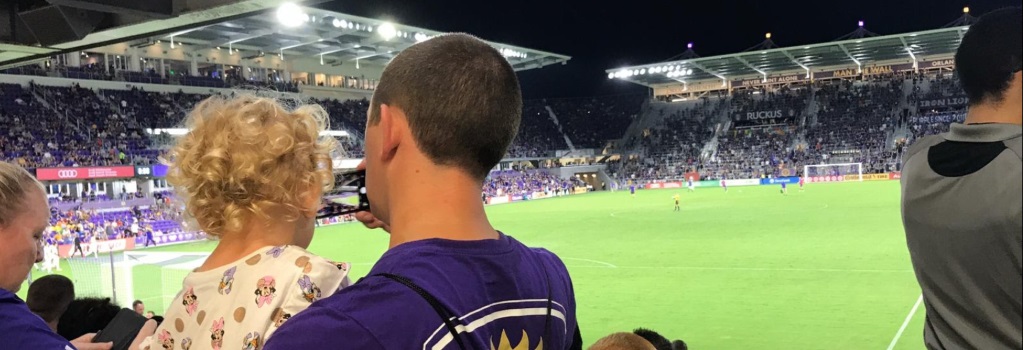
My daughter's first ever football match - Orlando City v Atlanta United, August 2019. Written for Izzy to read when she gets old enough. Vamos Orlando
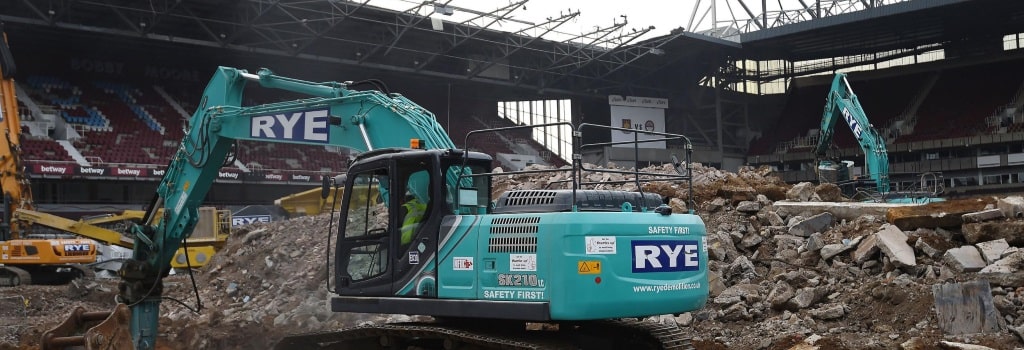
All good things have to come to an end, and the same unfortunately has to be said for football stadiums too. This article looks at the grounds which are soon to host their last match, the stadiums whose days are numbered and where fans will be watching their football from next.
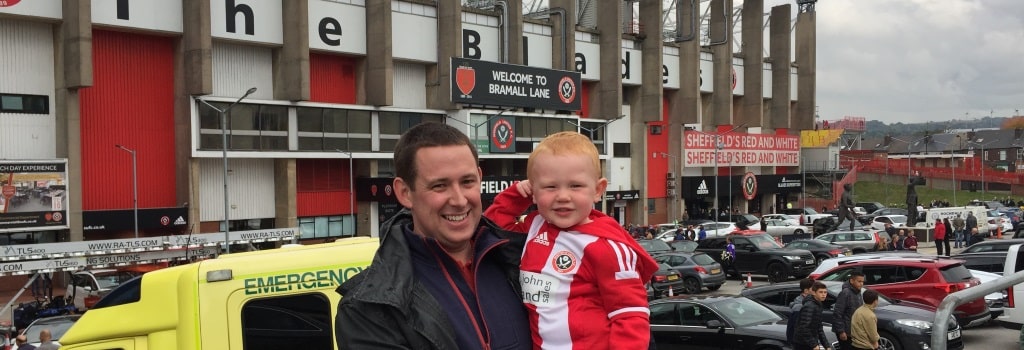
Taking my son to his first football match was one of the best experiences I've had as a father so far. I've written this article for Alex to read when he gets older.