 Football Ground Map
Football Ground Map
Football Ground Map


Finland will never confuse its old football grounds with the biggest stadiums in the world. That is part of their force. The venues are compact, practical and close enough for supporters to hear studs on turf. Their value is continuity: clubs still play, rivalries still bite, and memory remains attached to real addresses.
Suomalaisessa ottelupäivässä perinne ja digitaalinen viihde eivät enää elä täysin eri maailmoissa. Katsomossa seurataan kokoonpanoja, live-tilastoja ja tauon aikana puhelimen ilmoituksia. Samalla kun vanhat areenat säilyttävät äänensä, vastuullisesti käytetty uusi kasino voi olla aikuiselle fanille lyhyt viihdehetki, jossa talletusrajat, pelihistoria ja RNG-pohjaiset pelimekaniikat on ymmärrettävä ennen pelaamista. Oleellista on pitää pelikassa erillään ottelumatkan budjetista ja nähdä digitaalinen viihde taukona, ei päätöksenä tunteen vallassa.
Töölön Pallokenttä, known as Bollis, opened in 1915 and is widely treated as Finland's first proper football field. It sits in Helsinki's Töölö district, close to the Olympic Stadium and the modern Bolt Arena. Finnish football history is compressed into a few walkable blocks.
Bollis still hosts competitive football, including women's and lower-division matches. It belongs in any discussion of oldest football stadiums because it kept working.
Veritas Stadium in Kupittaa is not old in a single clean layer. Its Olympic stand was constructed for the 1952 Games, while later stands arrived in 2003 and 2009. FC Inter Turku and TPS have both used the ground, giving it a civic split that feels sharper than its modest capacity suggests.
The stadium lists 8,072 seats plus a standing terrace for 1,300 spectators. That puts it nowhere near the largest stadiums in the world, but scale is the wrong lens.
Turku's advantage is proximity. The stadium sits near the city centre, which means the match is not isolated from daily life. Supporters can move from work, cafés and public transport into the ground without turning the evening into a logistical operation.
Hietalahti Stadium, now branded Lemonsoft Stadion, gives Vaasa the best example of renewal without full amnesia. The venue is officially named Hietalahti Stadium, owned by the City of Vaasa, and lists 6,009 seats with a higher maximum capacity. VPS matches give it top-flight relevance rather than museum status.
Renovation changed the spectator experience, but the site's identity still belongs to Vaasa football. Too much restoration can flatten the past; too little can leave a club stuck with poor sightlines and weak revenue.
Bolt Arena opened in 2000 on the old Helsinki football ground site. It is not one of Finland's oldest venues, yet its location gives it inherited weight. HJK's home has become the modern neighbour to Bollis, which creates a useful contrast: one ground keeps the early memory, the other handles elite football demand.
Finnish supporters are precise about these differences. They notice the pitch, cover, access and winter practicality. A stadium is a working machine.
The grounds that survive do more than preserve a nameplate. They solve match-day problems:
| Ground | City | Historic layer | Still competitive because |
|---|---|---|---|
| Töölön Pallokenttä | Helsinki | Opened in 1915 | Hosts active football rather than only ceremonies |
| Veritas Stadium | Turku | Olympic stand from 1952 | Used by FC Inter Turku and TPS |
| Hietalahti Stadium | Vaasa | Historic Vaasa football site | VPS keeps it tied to Veikkausliiga demand |
| Bolt Arena | Helsinki | Built on old football ground site | HJK gives it elite domestic relevance |
A historic football ground survives when it becomes part of weekly behaviour. People know the tram stop, the windy corner, the stand with the better view and the food queue that moves too slowly. That detail beats postcard beauty. Finland's old grounds endure because they still ask supporters to show up, not merely look back.
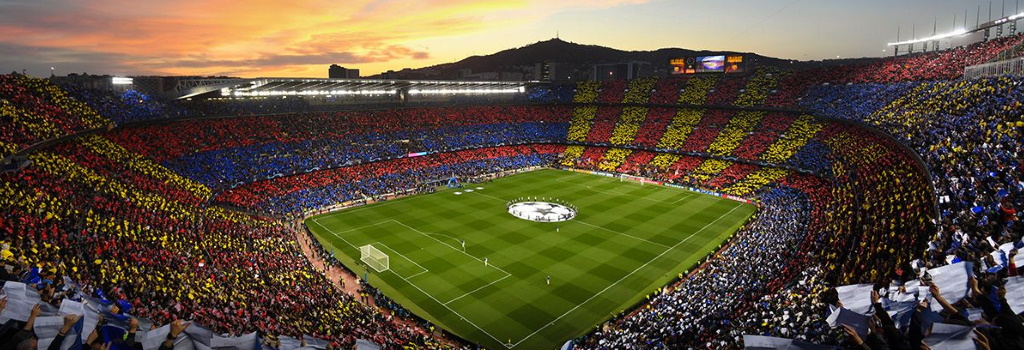
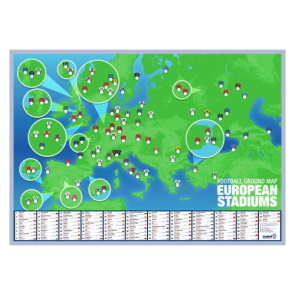
The 91 biggest football stadiums in Europe. From Manchester to Munich, Villa Park to Valencia - each one with a capacity over 40,000
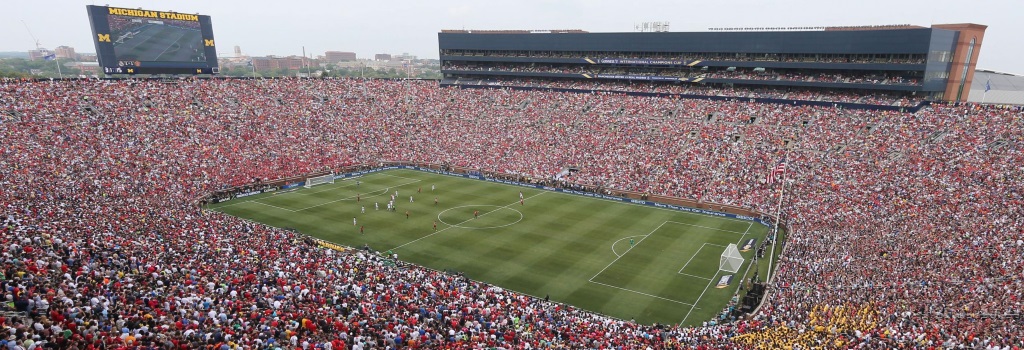
An in-depth look at the biggest football attendances ever recorded, from the 1950 World Cup to pre-season friendlies in the States and the Scottish ground with dozens of 100,000+ attendances
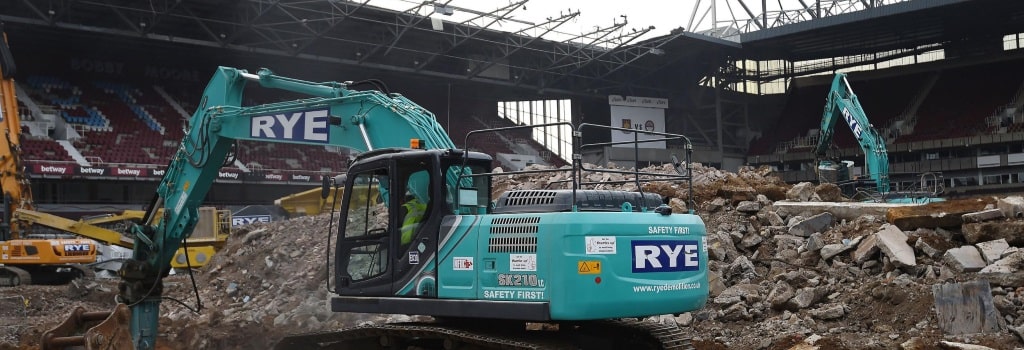
All good things have to come to an end, and the same unfortunately has to be said for football stadiums too. This article looks at the grounds which are soon to host their last match, the stadiums whose days are numbered and where fans will be watching their football from next.
Tony Incenzo has been to over 2,000 football grounds - is he the world's barmiest football fan? Read about his love for Non-League football and groundhopping obsession, including watching a match in prison!