 Football Ground Map
Football Ground Map
Football Ground Map

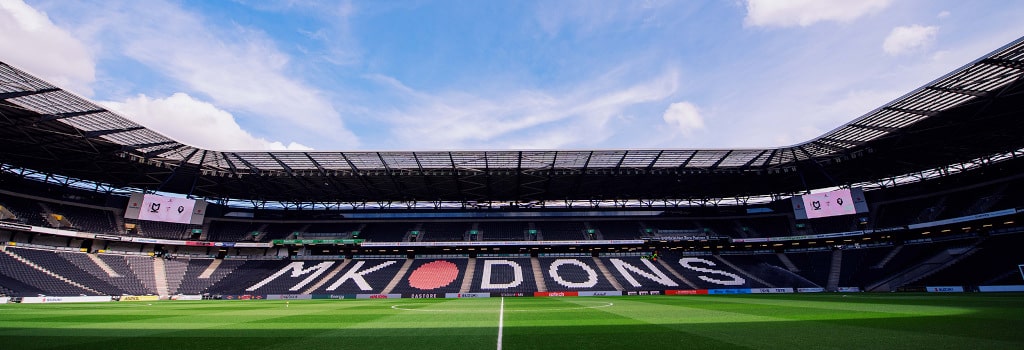
For years, the dedicated football fan has faced a familiar frustration. The atmosphere inside the ground might be electric, yet sharing that energy with the outside world often proves impossible. Mobile blackouts have long turned smartphones into useless bricks the moment the whistle blows. However, 2025 marked a significant turning point at Stadium MK, home to MK Dons.
Through the groundbreaking Project ARANA, the stadium hosted trials that successfully integrated OpenRAN technology and Weaver Labs' Cell Stack platform. This collaboration, powered by Madevo's AI cloud, delivered ultra-reliable connectivity for 30,400 supporters. Consequently, the days of digital isolation are ending, ensuring that football fans stay connected even during peak usage times.
It seems that modern connectivity is all about seamless sharing. Supporters enjoy capturing important match moments and celebrations, but their digital needs often go further. Whether checking booking odds or finding tips on Action Network-like how to get this great refer a friend bonus-fans expect zero latency. Project ARANA ensures that sharing a goal celebration or checking a score is as instant as the action on the pitch.
The 2025 trials did more than just fix signal bars; they redefined what is possible in a football stadium. By combining a cloud-based private 5G network with advanced AI, the project enabled services that were previously impossible in crowded venues.
Partners like the University of Bristol's Smart Internet Lab, Meta, Samsung, Capgemini, and Nokia played pivotal roles. Together, they demonstrated that legacy 4G and Wi-Fi simply cannot compete.
Fans at the venue experienced this power firsthand. They could stream four HD feeds simultaneously through a simple app tap. Moreover, Nokia video analytics provided real-time tactical insights, while interactive chatbots and 3D stadium mapping assisted with logistics.
Even practical needs were met with high-tech solutions. Attendees used queue navigation to find the shortest lines and enjoyed in-seat food ordering. Remarkably, all these high-demand services ran without a hint of network congestion.
For the traveling football enthusiast, or "groundhopper," connectivity is vital. These fans rely on digital tools to document their journeys across different grounds.
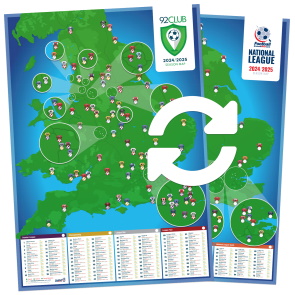
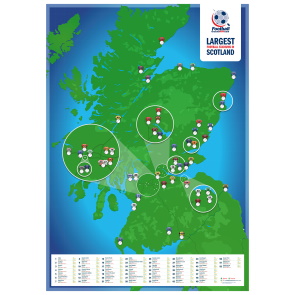
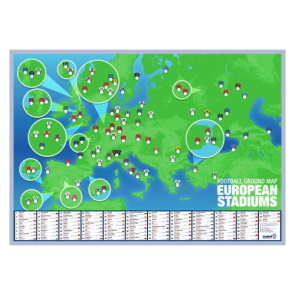
Reliable access allows them to log visits on platforms like Football Ground Map without delay. Furthermore, they can share real-time photos and reviews, bridging the gap between the live atmosphere and the perks of home viewing.
Immediate access to exclusive digital content and instant replays creates a hybrid experience. It preserves the thrill of being there while adding the data-rich context usually reserved for TV audiences.
The shift to private 5G is not just a win for fans; it is a financial game-changer for venues. Transitioning to a scalable Network-as-a-Service model significantly boosts venue value.
This massive increase in value stems from the ability to monetize connectivity and data in new ways. With further trials planned, Stadium MK is potentially setting a new standard for the football world, influencing Premier League grounds and beyond.
An in-depth look at the biggest football attendances ever recorded, from the 1950 World Cup to pre-season friendlies in the States and the Scottish ground with dozens of 100,000+ attendances
Tony Incenzo has been to over 2,000 football grounds - is he the world's barmiest football fan? Read about his love for Non-League football and groundhopping obsession, including watching a match in prison!
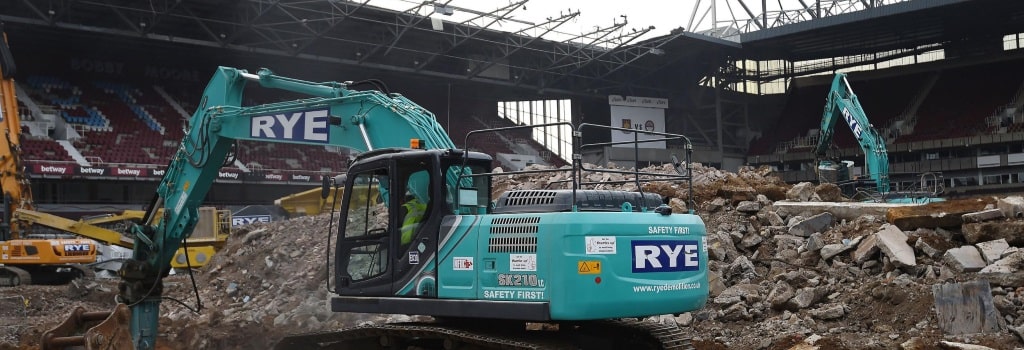
All good things have to come to an end, and the same unfortunately has to be said for football stadiums too. This article looks at the grounds which are soon to host their last match, the stadiums whose days are numbered and where fans will be watching their football from next.
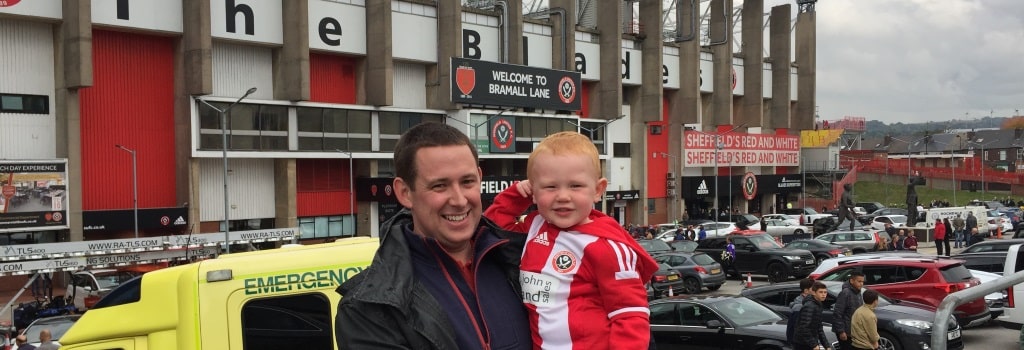
Taking my son to his first football match was one of the best experiences I've had as a father so far. I've written this article for Alex to read when he gets older.