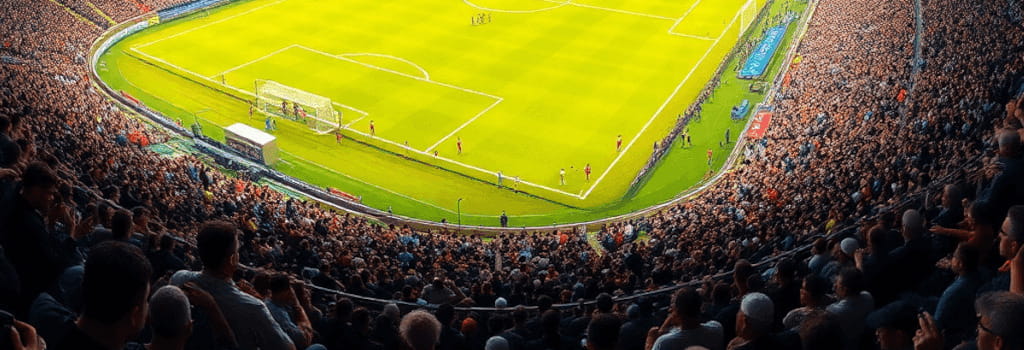
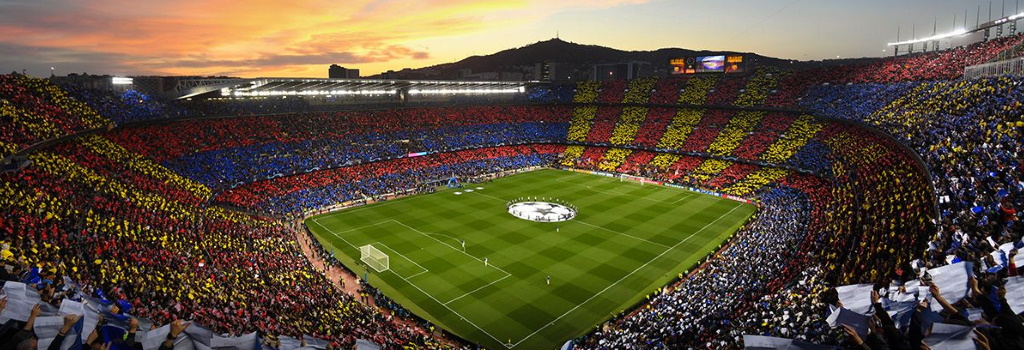
World Cup 2026 is not just "the next tournament." It's the biggest World Cup ever: 48 teams, more matches, and three host countries and though sites like Tipster Reviews have many tipsters that think they can find the winner. That scale changes everything, and the grounds will shape the entire experience in a way we have not seen before.
When I say "World Cup grounds" in this article, I'm not only talking about the stadium names on a poster. I mean the full match environment:
The host stadium itself (design, capacity, sightlines, acoustics)
The playing surface and how it affects speed, touch, and injuries
The atmosphere (how the noise builds, how close fans feel to the pitch)
The fan logistics (airports, transit, travel time, and how painful matchday movement is)
And yes, these factors can influence outcomes. For instance, pitch quality affects passing and pressing. Climate and roofs change how much randomness the weather adds. Altitude impacts tempo and late-game legs. Travel fatigue in a multi-country tournament can quietly punish shallow squads.
So this post highlights the best World Cup 2026 grounds based on two things you can actually feel: fan experience and football fit. Not just "biggest capacity wins."
World Cup 2026 in one minute (so the grounds make sense)
World Cup 2026 is hosted by the USA, Canada, and Mexico, which sounds simple until you realize how different match conditions will be across those countries. You can go from high altitude in Mexico City to indoor climate control in Texas to cool, wet evenings in the Pacific Northwest.
The 48-team format means more matches, more scheduling complexity, and more movement for teams and fans. Venue planning is no longer a detail. It becomes part of the competitive edge.
A few practical things fans often underestimate:
Ticketing cities vs venues: you're choosing a city, but you're also choosing an airport, a transit system, and a stadium location.
Time zones and distance: North America is huge. Two "nearby" games can still mean a flight, not a train ride.
How FIFA typically assigns matches: FIFA usually clusters group matches by region when possible and then uses select venues for later rounds. Exact allocations change, so plan around city clusters, not assumptions like "this stadium will definitely host a semifinal."
How I'm ranking the best grounds (criteria you can actually feel)
I'm ranking these grounds using criteria that show up on match day, not in a brochure.
Football quality
Pitch reputation and consistency
Sightlines and how well you can read the game
Noise retention and how "alive" the stadium feels
Weather and roof impact on playing style
Fan experience
Transit and ease of entry
Surrounding area for pre- and post-match atmosphere
Comfort basics that matter in real life (queues, exits, services)
Tournament practicality
Airport proximity and flight options
Hotel capacity and price pressure
City layout and walkability
Flexibility when schedules change
Atmosphere potential
Local soccer culture and supporter intensity
Acoustics and how well the stadium amplifies sound
Typical crowd energy for big matches
One transparency note: the final "best" ground depends on who's playing, kickoff time, and weather. A 2 pm kick-off in the heat is a different sport than a night game in perfect conditions.
The best grounds of the World Cup 2026 (top picks)
These grounds combine elite match day atmosphere, a strong viewing experience, and practical travel. For each one, I'll tell you what makes it special, what to plan for, and what types of matches it suits best.
Estadio Azteca (Mexico City) — the heritage heavyweight
If you want World Cup history, you can feel it in your chest; this is it. Estadio Azteca is iconic for a reason. It has hosted the biggest moments, and it carries that "anything can happen here" aura that turns normal matches into events.
What makes it special
A true football cathedral with big-match gravity.
The crowd is emotional and loud in a way that changes momentum.
The stadium feels like it has seen everything, and it expects more.
What fans should plan for
Altitude is real. Mexico City sits at a high elevation, and visitors can feel it, especially if you arrive and sprint into a match day schedule.
Give yourself time to acclimatise if you can. Hydrate. Slow your pace in the first day.
Mexico City is massive. Travel time is not linear, and traffic can be ruthless. Build buffer time into everything.
Best for
Rivalry matches and emotionally charged fixtures.
Knockout-style intensity where game management matters.
Teams that can control tempo and avoid burning out late.
SoFi Stadium (Los Angeles) — modern spectacle with big-event polish
SoFi feels like a future-world venue. From presentation to comfort to production quality, it's built for global events. If FIFA wants a stadium that looks flawless on camera and runs like a machine, this is one of the safest bets.
What makes it special
State-of-the-art design with a premium viewing feel for a mega venue.
Strong event operations, which matter more than people admit at a World Cup.
A controlled environment that reduces weather chaos.
Match conditions
The covered setup limits wind and weather randomness, which often favours technical teams who want clean touches and consistent passing rhythm.
What fans should plan for
LA traffic is not a meme. It is the main opponent.
Arrive early, plan your route, and assume congestion on the way out.
If you're driving, expect parking costs and exit delays. For convenient parking options, consider exploring these parking services.
Best for
Star-studded group games with global audiences.
Later-round matches where flawless operations matter.
Technical teams that benefit from stable conditions.
AT&T Stadium (Dallas/Arlington) — high-capacity, high-volume energy
AT&T Stadium is built for scale. When it's full, it feels like a major event even before the first whistle. The roof helps manage weather extremes, and the crowd size alone can turn pressure into a weapon.
What makes it special
Huge capacity and a genuine "big night" feeling.
Controlled conditions that support consistent football.
A venue that can absorb massive demand without feeling chaotic inside.
Football lens
A predictable surface and controlled environment can boost passing rhythm and structured build-up, especially for teams that want to dominate possession.
What fans should plan for
Arlington is car-centric. This is not a "stroll from down town" experience.
Plan shuttles, parking (consider utilising these parking services), and extra time for arrival and exit.
Consider staying in a transit-friendly hub and travelling in rather than trying to improvise on match day.
Best for
High-demand fixtures where crowd size becomes part of the story.
Matches that need a "final-like" scale, even in earlier rounds.
MetLife Stadium (New York/New Jersey) — the global spotlight stage
MetLife is the "centre of attention" venue. It's not about charm. It's about the spotlight. With New York's media gravity and international pull, this is the kind of place where a normal knockout match can feel like a global headline.
What makes it special
Proximity to a global media capital.
Massive demand and a high-profile atmosphere.
A uniquely international crowd mix.
Crowd dynamic
Because it draws fans from everywhere, the atmosphere can be neutral yet intense. That can produce strange momentum swings where one moment feels like a home game and the next feels like a takeover.
What fans should plan for
Airports and rail options are a strength, but congestion is the cost.
Plan your transport. Assume long security lines and heavy post-match bottlenecks.
Best for
Headline knockout games.
Matches with global storylines and heavyweight teams.
Mercedes-Benz Stadium (Atlanta) — fan-friendly design and noise potential
Atlanta's stadium is modern, comfortable, and built with fan experience in mind. It also has real noise potential when the crowd is engaged, especially in high-tempo matches where momentum swings fast.
What makes it special
Strong sight lines and modern comfort.
Roof flexibility that helps manage weather and heat.
High-level event presentation that keeps energy up.
Atmosphere
The design and steepness can amplify chants, and that matters when a team is trying to build a run of pressure.
What fans should plan for
Atlanta is practical: major airport access, decent central connectivity.
Stay central if you can and lean on transit and walkable zones for match day simplicity.
Best for
High-tempo matches where noise and momentum shifts matter.
Games where the crowd can "carry" an underdog spell.
Houston can be punishing in summer, so climate control changes the game. NRG's indoor setup reduces heat and humidity as wildcards, which often leads to more predictable match rhythms.
What makes it special
Indoor consistency, regardless of what's happening outside.
A controlled environment that makes planning easier for teams and fans.
Football impact
Predictable pace can favour structured build-up and sustained pressing if fitness levels are strong.
Less weather variance usually means fewer weird bounces, fewer mis-hit long balls, and more "true" execution.
What fans should plan for
Houston is spread out. You need a transport plan.
Build buffer time for movement and don't assume short trips.
Best for
Teams that want predictable conditions and tactical control.
Matches where execution quality should decide more than the weather.
Lumen Field (Seattle) — one of North America's loudest grounds
If you care about atmosphere, Lumen is a top-tier pick. It's famous for noise, and it can feel tight and intense in a way that bothers opponents. This is the kind of ground where an underdog can ride the energy and make a favourite uncomfortable.
What makes it special
A crowd known for real volume, not just attendance.
A stadium shape that traps sound and builds pressure.
Weather factor
Cooler temperatures and possible rain can change ball speed and pressing intensity.
Wet conditions can reward direct play, aggressive duels, and goalkeepers who handle the basics cleanly.
What fans should plan for
Strong transit options and down town convenience make it easier than many US venues.
If you're doing a multi-game trip, Seattle's layout helps.
Best for
Intensity-driven matches and emotional group deciders.
Teams that thrive on momentum and crowd pressure.
BC Place (Vancouver) — comfortable, compact, and rain-proof
BC Place is a fan-friendly venue in a city that's easy to love as a traveller. The roofed environment helps stabilise match conditions, and the experience is smooth for people who want football without the logistical stress.
What makes it special
Roofed comfort and consistent viewing conditions.
Strong sight lines and a compact feel compared to mega NFL bowls.
Easy access from a walkable core.
Match conditions
Stable weather conditions often lead to cleaner technical play, fewer disrupted passing sequences, and more consistent tempo.
What fans should plan for
Vancouver is transit-friendly and scenic, which makes it ideal for stacking multiple matches.
Book early. Hotel demand can spike fast in a city like this.
Best for
Group-stage clusters and multi-game fan trips.
Technically sharp teams that benefit from consistency.
BMO Field (Toronto) — intimate crowd, "real football" feel
BMO Field feels closer to a traditional football ground than many of the larger NFL-style stadiums. Fans are nearer to the action, and that changes how intense even a group match can feel.
What makes it special
Intimacy. You feel closer to the pitch, and the emotion travels faster.
A "real football" vibe that suits supporter culture.
Weather factor
Wind and cooler temperatures are possible, which could affect long balls, crossing accuracy, and set-piece delivery. Fans should check the cold wind chill chart before attending matches during such weather conditions.
Those are small edges, but in tight matches, small edges decide everything.
What fans should plan for
Toronto is built for big events. Stay central, use transit, and avoid making match day harder than it needs to be.
Best for
Gritty group games and set-piece-heavy match ups.
Matches where supporter sections can genuinely influence momentum.
Estadio BBVA (Monterrey) — mountain backdrop + intense local energy
Estadio BBVA is one of those venues that looks incredible and feels even better in person. Monterrey brings serious football culture, and the stadium's setting adds drama before the ball is even kicked.
What makes it special
Modern design with a scenic mountain backdrop.
Passionate local fan energy that lifts the tempo.
A strong "night game" vibe if kick-off timing lands right.
Match conditions
Heat can be a factor, depending on kick-off time. Teams that manage hydration, tempo, and rotation well can gain an edge, especially in match clusters. This is particularly relevant when considering how the weather affects athletic performance.
Additionally, teams must be prepared for the unique altitude-related challenges of playing in Mexico City. Those that are well-conditioned and smart with their tempo benefit, while teams relying on constant high pressing can fade late if they do not manage effort effectively. Such insights are echoed in studies like this one from Science Direct.
What fans should plan for
Plan match day movement and accommodations early.
Treat Monterrey like a football city, because it is one. That usually means strong local energy, but also high demand for big fixtures.
Best for
Dramatic evening kick-offs.
High-energy group deciders where emotion and urgency collide.
Grounds that can quietly decide games (weather, altitude, travel)
This is the part people ignore until a favourite looks flat for 30 minutes.
Altitude: As mentioned earlier, Mexico City is a real variable.
Heat and humidity: Parts of the US and Mexico can make pressing systems expensive. That changes the substitution strategy and makes squad depth more valuable in 2026 than in smaller tournaments.
Cold, rain, wind: Northern venues can change finishing and set pieces. A swirling wind turns crosses into guesses. A slick ball changes goalkeeper handling. These are not excuses. They are conditions that the best teams plan for.
Travel fatigue: Time zones and turnaround time matter. In a 48-team tournament with more matches, rotation is not optional. The squads that survive are usually the ones that can win without being perfect
How to pick the best World Cup 2026 grounds to attend (practical guide)
If you're choosing where to spend your money and time, I'd decide based on the experience you want.
If you want the loudest atmosphere
Prioritise acoustics, supporter culture, and a stadium that feels tight.
Look hard at: Lumen Field, Estadio Azteca, BMO Field.
If you want the easiest logistics
Prioritise airport access, public transit, hotel density, and walkability.
Look hard at: BC Place, BMO Field, Mercedes-Benz Stadium.
If you want the best on-field quality
Decide whether you want controlled conditions or an open-air character.
Controlled: SoFi, AT&T, NRG, BC Place.
Character and volatility: Azteca, Lumen, BMO.
Simple planning checklist
Confirm kick-off time and estimate the weather.
Choose where you're staying based on exit routes, not just price.
Decide on your transport plan before match day.
Arrive early to avoid security and entry surges.
Have a post-match exit strategy. Leaving is often harder than arriving.
Who will win the World Cup 2026? (grounds-aware predictions, not vibes)
Predicting a World Cup is hard, and anyone selling certainty is selling content. But I do think 2026 rewards specific traits: squad depth, rotation, tactical flexibility, set-piece efficiency, keeper consistency, and calm game management across wildly different venues.
Here's my shortlist of contenders, with a "venue fit" lens rather than pure hype:
France: depth and physical quality travel well, and they can win multiple styles of games.
Brazil: technical quality benefits in controlled venues, and its ceiling is always title-level if balance is right.
England: strong set pieces, improving tournament management, and depth that matters more in 2026's schedule.
Argentina: elite game management and calm under pressure, with a style that adapts to tight matches.
Spain: if they have penetration plus control, indoor and stable-surface venues can suit them.
Germany: tournament structure, squad options, and the ability to reset quickly between match conditions.
What I'm watching in qualifiers and friendlies is not just results. It's whether teams can rotate without collapsing, whether midfields control tempo in different environments, and whether benches change games late when legs go.
Moreover, it's essential to consider some practical aspects of attending these matches. For instance, understanding the logistical challenges that might arise during such large-scale events can significantly enhance your overall experience.
What the best grounds mean for the tournament's biggest moments
Iconic grounds create iconic memories. The stadium is not just a backdrop. It shapes the sound, the pressure, the rhythm, and the feeling of inevitability when momentum swings.
Neutral-site energy matters more than people think. Diaspora crowds can turn "neutral" matches into something closer to a home game, especially in cities like New York, LA, Toronto, and Houston.
And in 2026, I expect more surprises. More teams, more travel, more conditions, and more schedule complexity mean more chances for favourites to look human.
That's why I keep coming back to the same idea: grounds are part of the competitive story. Sometimes, they change how the World Cup feels. Sometimes they change who survives it.
Wrap-up: the best World Cup 2026 grounds (quick cheat sheet)
If you just want the fast answer, here's how I'd categorise the best grounds:
Heritage and aura: Estadio Azteca (Mexico City)
Best spectacle and polish: SoFi Stadium (Los Angeles)
Global spotlight and storylines: MetLife Stadium (New York/New Jersey)
Fan-friendly modern all-rounder: Mercedes-Benz Stadium (Atlanta)
Most consistent conditions: NRG Stadium (Houston)
Loudest intensity: Lumen Field (Seattle)
Easiest multi-game travel base: BC Place (Vancouver)
Most "real football" intimacy: BMO Field (Toronto)
Scenic drama and local energy: Estadio BBVA (Monterrey)
If you're planning to attend, I'd pick one or two cities to base in, then add one bucket-list ground that you'll remember for life. Because the right ground does not just change your weekend. It changes how the World Cup feels, and sometimes it changes who makes it out alive.
FAQs (Frequently Asked Questions)
Why are the 2026 World Cup grounds more important than ever?
The 2026 World Cup is the biggest tournament ever with 48 teams, more matches, and three host countries. This scale changes everything, making the grounds crucial as they shape the entire match environment, including stadium design, playing surface, atmosphere, and fan logistics, all of which influence both fan experience and football outcomes.
What factors define 'World Cup grounds' beyond just stadium names?
World Cup grounds encompass not only the stadium itself but also the full match environment: the stadium's design, capacity, sight lines, acoustics; the playing surface affecting game speed and injuries; the atmosphere created by fans; and logistical aspects like airports, transit, travel times, and ease of movement on match day.
How does hosting across the USA, Canada, and Mexico impact World Cup 2026 venues?
Hosting across these three countries introduces diverse match conditions, such as varying altitudes from Mexico City to indoor climate-controlled venues in Texas and cool evenings in the Pacific Northwest. The large geographical area means significant travel distances and time zones for teams and fans, making venue planning a strategic competitive edge.
What criteria are used to rank the best World Cup 2026 grounds?
Grounds are ranked based on football quality (pitch reputation, sight lines, noise retention), fan experience (transit ease, surrounding atmosphere, comfort basics), tournament practicality (airport proximity, hotel capacity, city walkability), and atmosphere potential (local soccer culture intensity, acoustics, crowd energy).
What makes Estadio Azteca in Mexico City a standout venue for World Cup 2026?
Estadio Azteca is a historic football cathedral known for its big-match gravity and emotionally charged crowd that can shift momentum. Fans should plan for high altitude effects by acclimatising early and allowing extra travel time due to Mexico City's massive size and traffic congestion. It's ideal for rivalry matches and knockout intensity games.
Why is SoFi Stadium in Los Angeles considered a top modern venue for World Cup 2026?
SoFi Stadium offers a state-of-the-art design with premium viewing comfort suited for mega events. Its controlled indoor environment reduces weather unpredictability, favouring technical play styles. The stadium excels in event operations, ensuring smooth experience
All good things have to come to an end, and the same unfortunately has to be said for football stadiums too. This article looks at the grounds which are soon to host their last match, the stadiums whose days are numbered and where fans will be watching their football from next.
Tony Incenzo has been to over 2,000 football grounds - is he the world's barmiest football fan? Read about his love for Non-League football and groundhopping obsession, including watching a match in prison!
 Football Ground Map