 Football Ground Map
Football Ground Map
Football Ground Map

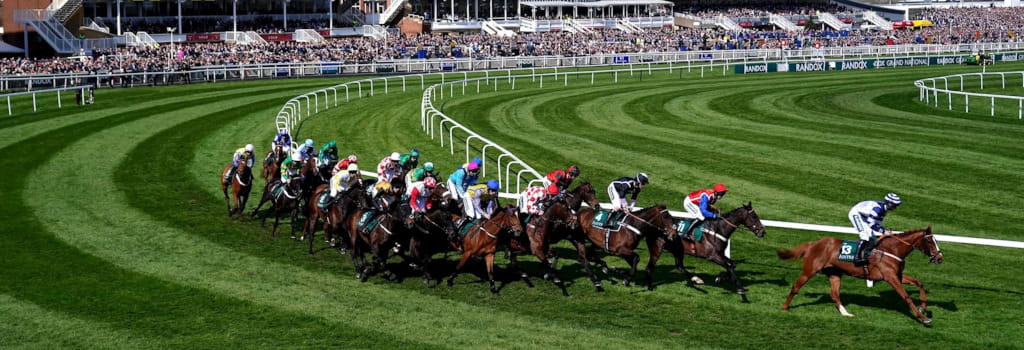
The UK's football stadiums are often just minutes away from some of the country's most famous horse racing tracks. For sports fans who plan their calendars months in advance, ante post betting markets are often the first place they turn when major horse racing festivals approach.
These long-term betting options allow punters to back horses well before race day, and they've become especially popular in cities where racing culture runs deep. Interestingly, several of the UK's best-known racecourses sit only a short distance from some of the biggest football stadiums in the country. This creates unique sporting environments where racing forms a key part of everyday life.
Across cities like Liverpool, Newcastle, and Brighton, historic racecourses sit alongside top-flight football venues. While football headlines often dominate during the Premier League season, racing heritage also plays a major role in the sporting culture of these locations. Major race meetings regularly attract tens of thousands of spectators each year.
Below, we take a closer look at some of the most notable UK racecourses located close to famous football stadiums, and why these venues continue to attract racing fans year after year.
Few racecourses in the world carry the same global recognition as Aintree Racecourse. Located just a few miles north of Liverpool city centre, the venue is the historic home of the Grand National, one of the most famous horse races on the planet.
Aintree has been a central part of British racing since the 19th century. Each April, the racecourse hosts the Grand National Festival, one of the biggest events in the racing calendar. Across three days, the festival attracts more than 150,000 spectators, while the Grand National itself is watched by millions worldwide.
The race's legendary fences, including The Chair and Becher's Brook, create dramatic storylines every year. Although Liverpool is also home to iconic football stadiums such as Anfield and formerly Goodison Park, Aintree often becomes the city's sporting focal point during Grand National week.
Hotels across Liverpool fill with racing fans, and betting activity surges as punters study form and place early wagers. Beyond the Grand National, Aintree also hosts regular race meetings throughout the year. Its mix of historic prestige and modern facilities ensures it remains one of the most important racetracks in the UK.
In northeast England, Newcastle Racecourse at Gosforth Park has developed into one of Britain's most versatile racing venues.
The course hosts both flat racing and National Hunt meetings, and it has gained additional prominence in recent years thanks to its modern all-weather Tapeta surface. This upgrade allows the venue to stage competitive racing throughout the year.
One of the highlights of the local racing calendar is the Northumberland Plate Festival, a historic meeting that dates back to the 19th century. Often referred to as the "Pitmen's Derby," the Northumberland Plate is one of the richest staying handicaps in the UK and attracts strong fields every summer.
Winter racing is also popular at Newcastle because the all-weather track allows meetings to continue even when conditions are challenging elsewhere.
While St James' Park, home of Newcastle United, sits a few miles away in the city centre, the racecourse itself is surrounded by expansive parkland. The result is a very different sporting atmosphere, where fans gather for racing, entertainment, and hospitality in a relaxed setting.
Overlooking the English Channel and perched on the South Downs, Brighton Racecourse offers one of the most distinctive settings in British horse racing.
The track is famous for its undulating layout, which creates a demanding challenge for both horses and jockeys. Racing has taken place in Brighton since the 18th century, and the venue remains particularly popular during the summer months.
Its seaside location makes it attractive not only to dedicated racing fans but also to tourists and casual racegoers. Many race meetings are combined with weekend trips to the coast, creating a relaxed and social race-day atmosphere.
Brighton's course is known for its sharp turns and downhill finishes, meaning tactics play an important role in races. Horses that perform well here often show a natural ability to handle the track's unusual configuration.
While football supporters visiting the city may head to the Amex Stadium to watch Brighton & Hove Albion, the racecourse offers a very different sporting experience. It's defined by scenic views and a laid-back summer atmosphere.
Located on the banks of the River Trent, Nottingham Racecourse is another historic venue situated close to a major football city.
The course has hosted racing since the 19th century and continues to play an important role in the British flat racing calendar. One of its most notable events is the Nottinghamshire Oaks, a Listed race that attracts promising fillies and mares each year.
Nottingham also stages early-season flat meetings that help establish form lines ahead of the larger summer racing festivals.
The racecourse itself is a left-handed track with a long home straight, often producing exciting and competitive finishes. Its relatively flat layout makes it a fair test for horses progressing through the racing ranks.
The venue maintains a loyal following among racing enthusiasts who appreciate its traditional race-day atmosphere, while football supporters in the city follow the fortunes of Nottingham Forest.
Situated between Manchester and Liverpool, Haydock Park Racecourse is one of the most important racing venues in northern England.
The course hosts both flat racing and National Hunt racing, with several high-profile races taking place throughout the year. One of the highlights is the Betfair Chase, a Grade 1 National Hunt contest that regularly attracts elite staying chasers.
Legendary horses such as Cue Card and Kauto Star have won the race, strengthening Haydock's reputation as a premier jumps racing venue. Another major race staged at Haydock is the Sprint Cup, a Group 1 flat race that features some of the fastest horses in Europe.
Although the racecourse sits within reach of several major football stadiums across northwest England, its strong racing programme ensures it holds a prominent place in the sporting calendar. The large grandstand, expansive viewing areas, and consistently high-quality racing make Haydock one of the UK's premier tracks.
The proximity of racecourses to major football stadiums is largely the result of geography. However, it has helped create cities where two of Britain's most popular sports thrive side by side.
Football may dominate headlines during the Premier League season, but racecourses such as Aintree, Newcastle, Brighton, Nottingham, and Haydock regularly host major events that attract national attention.
For many sports fans, visiting these cities means enjoying both traditions, whether it's spending a Saturday afternoon at the races or attending a packed football match later in the day.
Many of the UK's racecourses have hosted meetings for well over a century. These venues carry deep traditions and stage iconic events that define the British racing calendar each year.
From the world-famous fences at Aintree to the scenic hills overlooking Brighton, every racecourse offers its own unique experience.
The proximity to major football stadiums creates an interesting crossover between two sporting worlds. However, it is the racing itself, between the history, atmosphere, and competition, that continues to draw fans back year after year.
As long as horse racing remains a key part of British sporting culture, these historic racecourses will continue to attract both seasoned racegoers and newcomers eager to experience the excitement of race day.
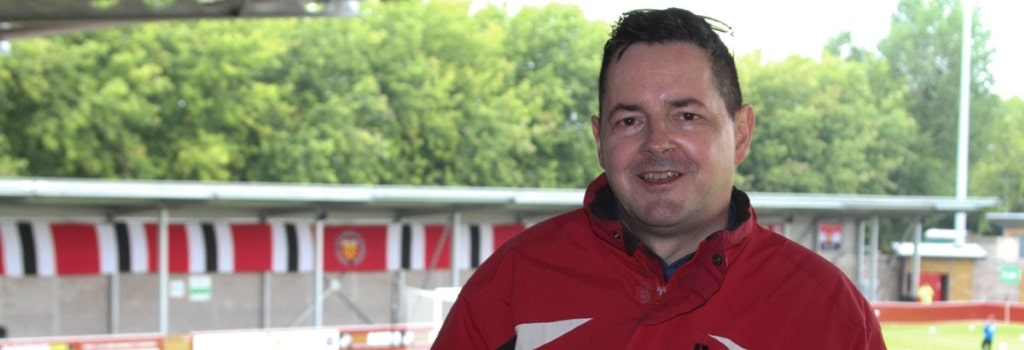
Tony Incenzo has been to over 2,000 football grounds - is he the world's barmiest football fan? Read about his love for Non-League football and groundhopping obsession, including watching a match in prison!
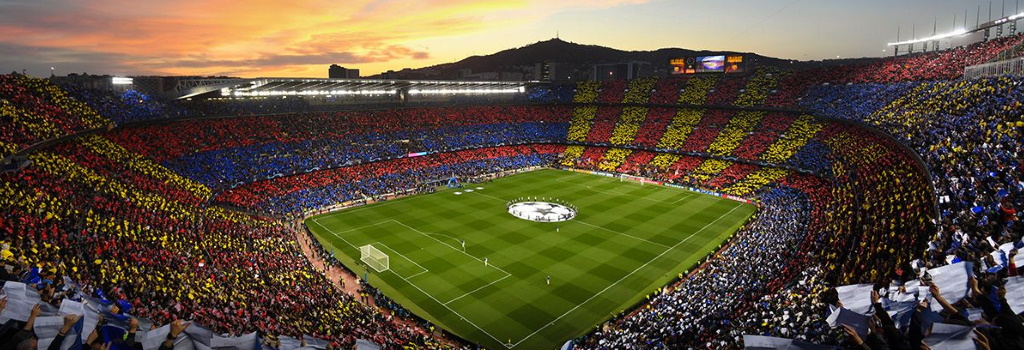
The 91 biggest football stadiums in Europe. From Manchester to Munich, Villa Park to Valencia - each one with a capacity over 40,000
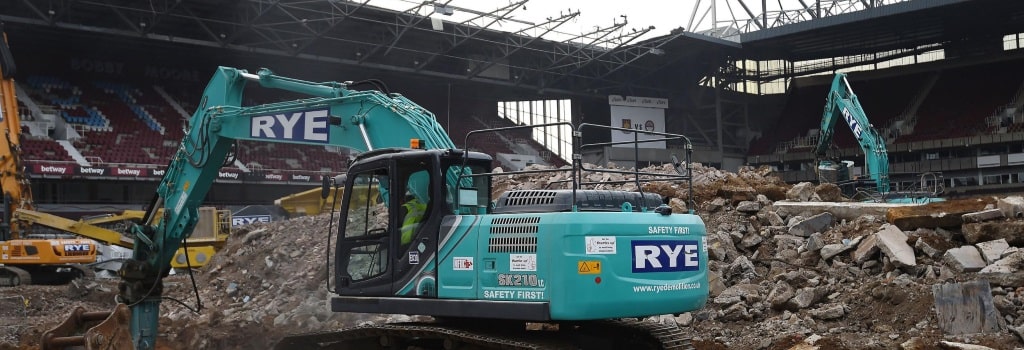
All good things have to come to an end, and the same unfortunately has to be said for football stadiums too. This article looks at the grounds which are soon to host their last match, the stadiums whose days are numbered and where fans will be watching their football from next.
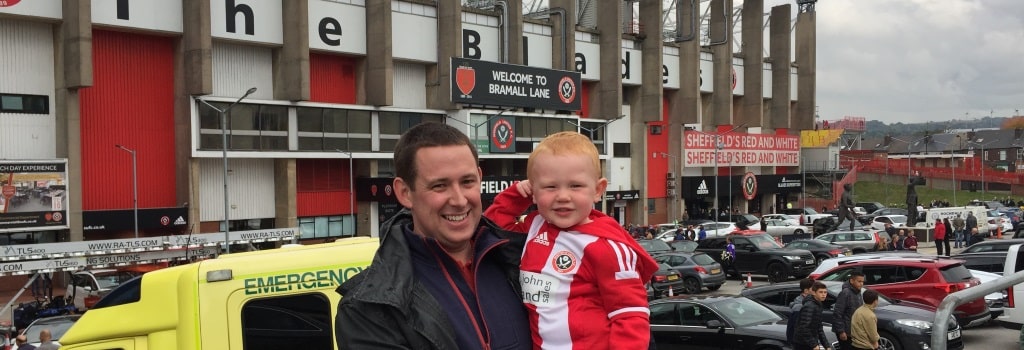
Taking my son to his first football match was one of the best experiences I've had as a father so far. I've written this article for Alex to read when he gets older.