 Football Ground Map
Football Ground Map
Football Ground Map

Are you already planning how to follow the biggest football event of 2026?
Many fans are looking ahead because this edition will be larger, longer, and easier to enjoy from different parts of North America. With more teams, more matches, and more host cities, there is a lot to understand before the opening game begins.
The 2026 tournament will be a major moment for international football. It will bring together 48 national teams and 104 matches across three host countries. The event will be held in Canada, Mexico, and the United States, making it the first edition shared by three nations.
The 2026 edition will feature 48 teams instead of 32. This means more countries will get a chance to compete on the biggest stage. It also gives fans more matches to watch during the group stage and knockout rounds.
The teams will be placed into 12 groups of four. Each team will play three group matches. After that, the best teams will move into the knockout stage, starting with the round of 32.
The tournament is scheduled to begin on June 11, 2026. The final is planned for July 19, 2026. That gives fans more than a month of football, with matches almost every day during the early part of the event.
The opening match will be played in Mexico City. The final will take place in the New York-New Jersey area, giving the tournament a big finish in one of the most famous sporting regions in North America.
The full fixture list is one of the most useful things for fans to follow. It helps supporters know when their team is playing, which cities are hosting games, and how the route to the final may look.
The group stage will run first and will include all 48 teams. Every team will play three matches. These games are important because they decide who moves forward and who goes home early.
Fans can expect matches across different time zones because the host cities are spread across a large area. This makes it helpful to check local kick-off times before making any viewing plans.
For fans who want a simple place to follow updates, the World Cup schedule will be useful during the build-up and the tournament itself.
After the group stage, the tournament will move into the round of 32. This is where the pressure becomes much higher. From this point, every match can decide a team's future.
The knockout rounds will include the round of 32, round of 16, quarter-finals, semi-finals, third-place match, and final. The final match will decide the champion on July 19, 2026.
The schedule is not just about dates. It also helps fans understand travel, rest days, and possible matchups. Teams that manage travel well and recover quickly may have an advantage as the tournament moves forward.
Supporters can also use the schedule to plan trips, viewing parties, or daily match watching. Since there will be 104 matches, having a clear plan will make the experience much easier.
The tournament will be played across 16 host cities in Canada, Mexico, and the United States. Each city will bring its own culture, stadium atmosphere, and local football energy.
Canada, Mexico, and the United States will share hosting duties. This makes the 2026 edition special because fans from three countries will get to enjoy matches close to home.
Mexico will host the opening match. Canada will host several group games and knockout matches. The United States will host many fixtures, including the final.
The venues are spread across major cities such as Mexico City, Guadalajara, Monterrey, Toronto, Vancouver, Los Angeles, Seattle, Dallas, Houston, Miami, Atlanta, Philadelphia, Boston, Kansas City, San Francisco Bay Area, and New York New Jersey.
Each venue will play a role in the journey from the opening match to the final. Some stadiums will host group games, while others will stage knockout matches.
Because the venues are spread across a wide region, travel planning will be important. Fans who want to watch matches in person should check the match location before booking anything.
It is also smart to keep an eye on match times. A game in one city may start at a very different local time compared with another city. This is especially important for fans watching from outside North America.
The 2026 edition will include 48 teams, giving more nations the chance to take part. This larger format will make the competition more diverse and exciting for fans around the world.
Canada, Mexico, and the United States are the host nations. As hosts, they are part of the tournament and will play group-stage matches in front of home crowds.
This will create strong local interest in all three countries. Home support can make matches feel even more lively, especially during the opening games.
The full list of teams will shape the story of the tournament. Once groups are confirmed, fans can follow each team's path and see which matches look most exciting.
The group draw is also important because it shows which teams meet early. Some groups may look balanced, while others may feel more difficult. That is part of what makes tournament football fun to follow.
Fans who want an easy fixture reference can also check the latest World Cup updates as the event gets closer.
Fans should watch for group-stage clashes, long-distance travel between venues, and possible knockout paths. These details can affect how teams perform during the tournament.
Some teams may have easier travel schedules. Others may need to adjust quickly between cities and climates. This can make preparation just as important as talent.
The 2026 tournament will be bigger than any previous edition, with more matches, more teams, and more host cities. That means fans will have more football to enjoy and more storylines to follow from the first match to the final.
The best way to enjoy it is to follow the schedule closely, note the important dates, and keep track of your favorite teams. With good planning, the 2026 event can be easy to follow and exciting from start to finish.
Canada makes its World Cup hosting debut with two cities: Toronto (BMO Field) and Vancouver (BC Place). It is a historic moment for Canadian football.
For the first time ever, 48 national teams from six continental confederations will compete at a World Cup. This means more nations than ever before get their moment on the world's biggest stage.
Among the teams confirmed for the tournament are powerhouses like Argentina (the defending champions), Brazil, France, Spain, England, Germany, and Portugal. First-time qualifiers Cape Verde, Curacao, Jordan, and Uzbekistan will also make their World Cup debut in 2026.
The three host nations, the United States, Mexico, and Canada, all qualify automatically and are spread across different groups to ensure a fair competition.
There is something genuinely exciting about how this tournament is set up. Three countries. Sixteen cities. 48 teams. 104 matches. It is bigger in every way.
Football fans across the globe have circled their calendars. From the electric atmosphere expected at Estadio Azteca on opening day to the grand final at MetLife Stadium, every stage of this World Cup promises unforgettable moments.
Whether you are a casual viewer catching the big matches on television or a passionate supporter planning your trip to North America, the 2026 FIFA World Cup is a tournament that deserves your full attention. Mark the dates, follow your team, and enjoy every moment of what promises to be the greatest World Cup in history.

23 interesting things to do to pass the time until the football season restarts
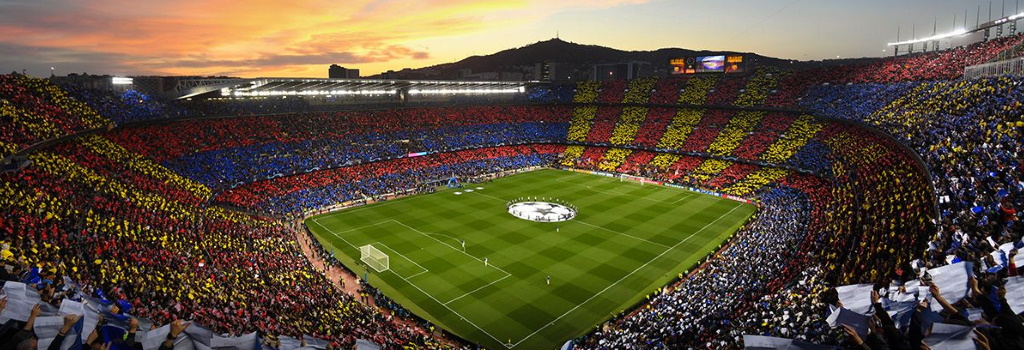
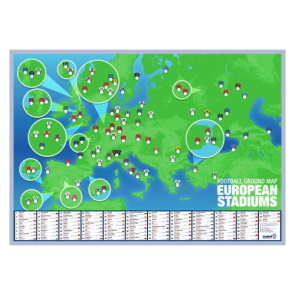
The 91 biggest football stadiums in Europe. From Manchester to Munich, Villa Park to Valencia - each one with a capacity over 40,000

Taking my son to his first football match was one of the best experiences I've had as a father so far. I've written this article for Alex to read when he gets older.

My daughter's first ever football match - Orlando City v Atlanta United, August 2019. Written for Izzy to read when she gets old enough. Vamos Orlando