 Football Ground Map
Football Ground Map
Football Ground Map

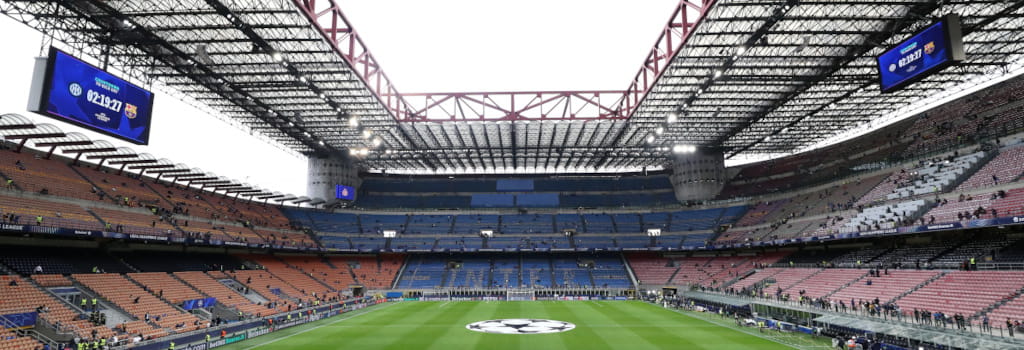
For some, football stadiums are modern-day amphitheatres. For others, they are cathedrals. A stadium usually reflects the local history and culture, be it in the architecture and design, when it was built, and its capacity often reflects the size of the club more generally. Some stadiums have a dual use, and some are even shared by rival clubs. What we do know is that millions of people travel across the world just to experience them.
Places like the UK, Italy and Germany take stadiums for granted because they've been a core part of infrastructure for generations. When a country with less footballing heritage hosts a World Cup, we begin to see the work that is required to host millions of fans.
What's important is the playing surface, so that the football played on the grass is flawless. But, more stadiums are built with dual-use to maximise revenue, taking on concerts, boxing events, and more. In some cases the grass is covered, in some cases it's fully retractable, like the Tottenham Hotspur stadium. A lot goes into weather-proofing new developments, be it circulating cold air or keeping out the rain.
Ticketing is becoming digitised to allow for better crowd control, while some facets, like standing sections and the ability to drink alcohol at your seat, are cultural, such as with the German leagues.
Besides arguably Brazil, no country has more 30,000+ seater football-specific stadiums. What's best is that, often, they lie right in the heart of the city, even touching residential areas. Wembley is undoubtedly the largest (90,000) and universally loved stadium, with it hosting many international tournament games in recent years.
However, Manchester United's Old Trafford (74,197) is perhaps the most iconic, along with Liverpool's Anfield, which is perhaps the best atmosphere. Old Trafford, which is referred to as the Theatre of Dreams, is falling to pieces. It has a rat problem and a leak that pours water onto front row spectators. Instead of renovating like Anfield did, Manchester United are planning to build a new 100,000 seater.
English stadiums are a good example of their impact on the pitch. Despite poor performances domestically, a club like Liverpool receives many bets when they're at home on European nights. There is an intangible magic in the room. Checking the full comparison of betting sites and stadiums can help find value here where others miss it.
Mainland Europe is home to the world's most iconic football stadiums. Barcelona's Camp Nou is a towering monument to Catalan identity - something people travel 12 hours on a plane to see. It's one of the largest stadiums in the world and its "Més que un club" (More than a club) motto is etched into the culture. The Santiago Bernabéu in Madrid has seen an incredible modernization project, turning it into a futuristic, silver-clad arena.
Germany does very well in building modern stadiums. The Allianz Arena in Munich is a masterclass here, with an exterior of ETFE plastic panels that can change color depending on who is playing inside.
Some tourists like to visit museums and famous statues, while others pay for a stadium tour.
Stadiums are increasingly expensive - £1 billion is around the expected cost of a new, 60,000+ stadium costs. To recoup the money (because football is a working-class sport, meaning ticket price rises are limited), they are often multi-use. On a Wednesday, Adele can perform live, and it's turned back into a soccer pitch by the weekend.
New stadiums are also incorporating zero-waste principles, making use of recyclable materials, solar panels, and rainwater harvesting (because watering the pitch is frequent).
You can tell a lot about a culture by the atmosphere in a game, be it the unifying vuvuzelas in South Africa or British humour in the chants of the Premier League. As football becomes more of a globally broadcast TV show, there is a push to put bums on seats and retain the local community and culture that has been so important to football's original success.
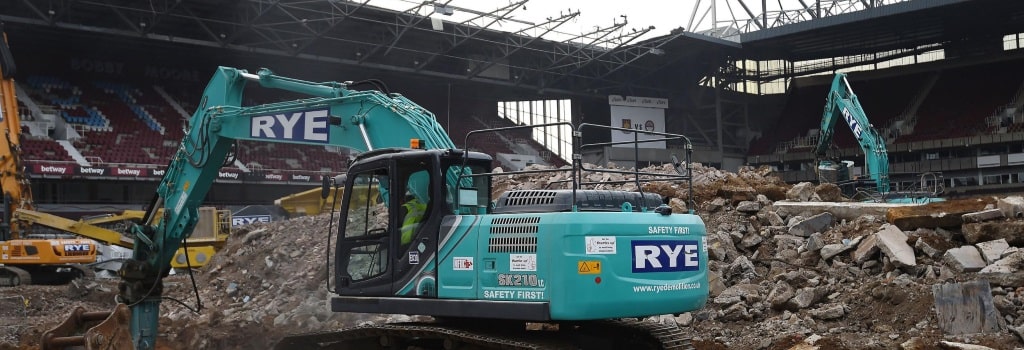
All good things have to come to an end, and the same unfortunately has to be said for football stadiums too. This article looks at the grounds which are soon to host their last match, the stadiums whose days are numbered and where fans will be watching their football from next.
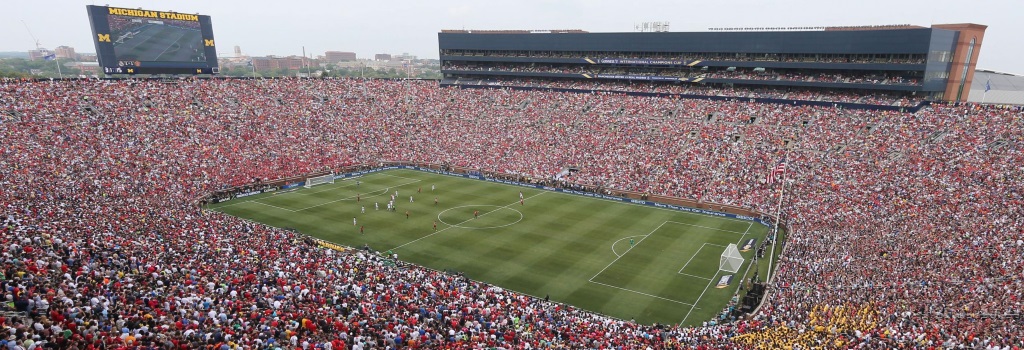
An in-depth look at the biggest football attendances ever recorded, from the 1950 World Cup to pre-season friendlies in the States and the Scottish ground with dozens of 100,000+ attendances

Tony Incenzo has been to over 2,000 football grounds - is he the world's barmiest football fan? Read about his love for Non-League football and groundhopping obsession, including watching a match in prison!
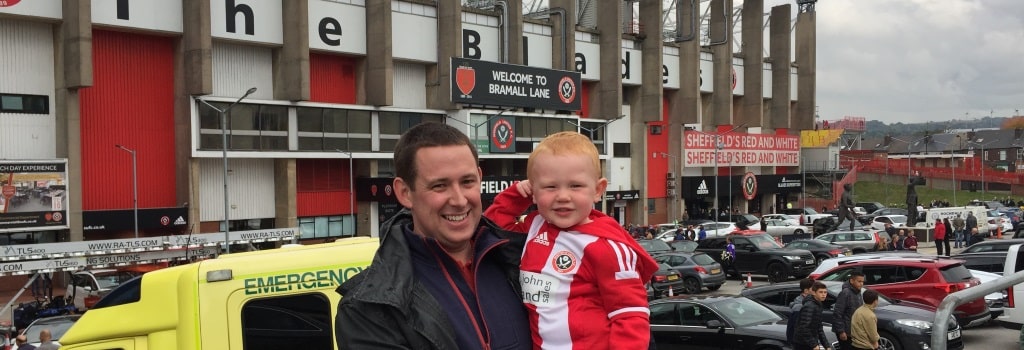
Taking my son to his first football match was one of the best experiences I've had as a father so far. I've written this article for Alex to read when he gets older.